USDA Compliance Panel for Growers

ACS Laboratory helps hemp growers nationwide meet strict state and federal regulations for potency and purity. A USDA-approved laboratory, ACS ensures hemp plants remain within legal THC limits before harvest. The team also provides resampling, retesting, and remediation guidance when needed. With ACS’s award-winning testing methods, growers can confidently cultivate and certify high-quality, federally compliant hemp.

A silhouette Florida map in green-cyan.

USDA Hemp Compliance Testing

ACS Laboratory is a USDA-designated Hemp Analytical Testing Laboratory authorized to work with growers in all regions that accept this designation. Its team ensures hemp biomass meets federal potency standards for distribution.

Start Compliance TestingContact Us To Learn More
A silhouette the U.S. map in green

State-by-State Compliance Testing

ACS Laboratory is certified to test hemp in 7 states with unique programs, including New York, Colorado, Florida, Pennsylvania, Georgia, Texas, and Louisiana. These panels align with the strictest state regulations for full compliance.

Start Compliance TestingContact Us To Learn More
A microscope clip art in light green.

Hemp R&D Testing Panels

ACS Laboratory offers advanced R&D testing for growers and manufacturers. These non-regulatory tests analyze cannabinoid profiles, refine formulations, and optimize product development with precise data for innovation and market success.R+ D services for Plant Health: Hops Latent Viroid, Lettuce Chlorosis Virus, Cannabis Cryptic Virus. Shelf Life and Stability for Final Products.

Start Compliance TestingContact Us To Learn More
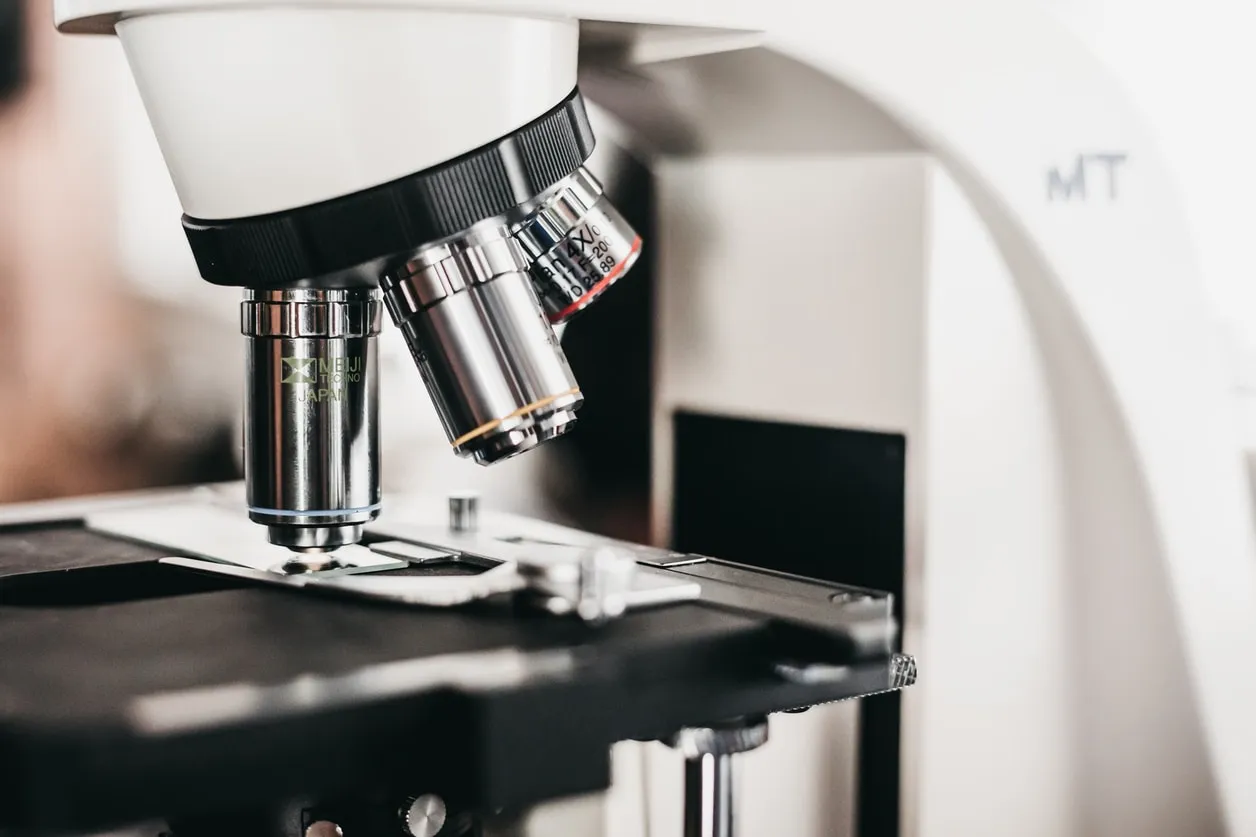
Observing a sample in a microscope.
WE ARE USDA- AND STATE-COMPLIANT.
FEDERAL COMPLIANCE

What You Need To Know

After the 2018 Farm Bill was enacted, the federal government drafted regulations related to hemp sales and growth. More than a year later, the USDA issued interim final hemp rules for cultivation and testing.

While these rules are not final yet, they represent a solid foundation for the creation of individual state programs around the country.
Submit Samples to start testing today!

National Panel Tests

01

THC Testing

Matrix: Flowers & Plants, Derivative Products, and Edibles
Testing plants and products to ensure compliance with federal total THC rules

02

Cannabinoid Potency

Matrix: Flowers & Plants, Derivative Products, and Edibles
State-specific or national cannabinoid potency panels available.

03

Pesticides

Matrix: Flowers & Plants, Derivative Products, and Edibles
State-specific or national cannabinoid potency panels available.

04

Mycotoxins

Matrix: Flowers & Plants, Derivative Products, and Edibles
State-specific or national mycotoxin panels available.

05

Heavy metals

Matrix: Flowers & Plants, Derivative Products, and Edibles
State-specific or national heavy metals panels available.

06

Moisture and Water Activity

Matrix: Flowers & Plants, Derivative Products, and Edibles
State-specific or national water level panels available.

07

Moisture

Matrix: Flowers & PlantsState-specific or national moisture panels available.

08

Filth & foreign materials

Matrix: Flowers & Plants, Derivative Products, and Edibles
State-specific or national filth & foreign panels available.

09

Residual solvents

Matrix: Derivative Products and Edibles
State-specific or national residual solvent panels available.

A florence flask and a test tube in grey.

Laboratory Requirements

According to Florida’s State Hemp Program, all designated labs must be ISO/IEC 17025:2017 Accredited, and utilize testing protocols that are proven reliable.

Based on Florida’s State Hemp Program rules, designated laboratories must report compliance results directly to the Florida Department of Agriculture and Consumer Services (FDACS).
A clip art of a microscope in grey.

THC Testing

According to the USDA’s rules, hemp plants and extracts must contain less than 0.3% total THC on a dry weight basis, which is defined by the following equation:
TOTAL THC = (%THCA*.877) + %DELTA9
The rules also require that samples are tested via gas or liquid chromatography methods. ACS laboratory meets all requirements.

Contaminant Testing

The USDA’s regulations do not require pesticide and contaminant testing for industrial hemp; however, most states require safety testing for ingestible extracts and smokable products. Rules vary state by state.

Our Full Panel Contaminant Test Includes

Checkmark icon in violet and white
Pesticides
Checkmark icon in violet and white
Pathogenic Microbiology
Checkmark icon in violet and white
Heavy Metals
Checkmark icon in violet and white
Mycotoxins
Checkmark icon in violet and white
Residual Solvents (Extracts) + Flower in certain states
Checkmark icon in violet and white
Vitamin E Acetate
Submit Samples to start testing today!
A scientist scanning a sample using a Confocal microscope.
WE ARE USDA- AND STATE-COMPLIANT.
FLORIDA COMPLIANCE

What You Need To Know

In July 2019, Florida established a State Hemp Program through Senate Bill 1020. In October 2019, the Florida Department of Agriculture and Consumer Services (FDACS) submitted proposed rules to the USDA for review. In April 2020, these rules were approved.

ACS Laboratory is up to date and compliant with Florida’s rules for industrial hemp and hemp extracts.
Submit Samples to start testing today!

Florida Hemp
Compliance Resources

A florence flask and a test tube in grey.

Laboratory Requirements

According to Florida’s State Hemp Program, all designated labs must be ISO/IEC 17025:2017 Accredited, DEA-registered (#RA0571996) and utilize testing protocols that are proven reliable.

Based on Florida’s State Hemp Program rules, designated laboratories must report compliance results directly to the Florida Department of Agriculture and Consumer Services (FDACS).
A clip art of a microscope in grey.

THC Testing

Hemp must contain less than 0.3% total THC on a dry weight basis in order to be eligible for sale. Growers and processors must work with a Florida-designated laboratory that can report the results to the state.

Contaminant
Testing

Florida’s State Hemp Program specifies rules related to usage and allowable limits of pesticides, mycotoxins, pathogenic microbiology, heavy metals and residual solvents.

At ACS Laboratory, we conduct comprehensive panels to ensure that all hemp and CBD are below the proposed limits to ensure their safety for end consumers.

Our Full Panel Contaminant Test Include

Checkmark icon in violet and white
Pesticides
Checkmark icon in violet and white
Pathogenic Microbiology
Checkmark icon in violet and white
Heavy Metals
Checkmark icon in violet and white
Mycotoxins
Checkmark icon in violet and white
Residual Solvents (Extracts/Edibles)
Checkmark icon in violet and white
Glyphosate
Three scientist looking at a small screen.
At ACS Laboratory, we also conduct R+D testing, intended for manufacturers and cultivators who want to utilize the results to improve the process of creating CBD products. R&D tests are conducted using the same protocols as compliance tests. On the other hand, you would choose compliance testing once R&D testing has been completed and products are known to be within the rules and regulations set forth.

Compliance testing is the final piece of the regulatory puzzle to ensure all products are what they are supposed to be and consumers are provided quality products.
Disclaimer: This content is current as of 02/01/2023. It is meant to be a guiding resource and should not be used to replace legal counsel. Please speak to a lawyer to confirm all questions related to compliance testing.

Florida Hemp Testing Compliance

ISO/IEC 17025:2017 Accredited by A2LA
ISO/IEC 17025:2017 ACCREDITED by A2LA #6786.01
US Drug Enforcement Administration logo
DEA REGISTERED (#RA0571996)
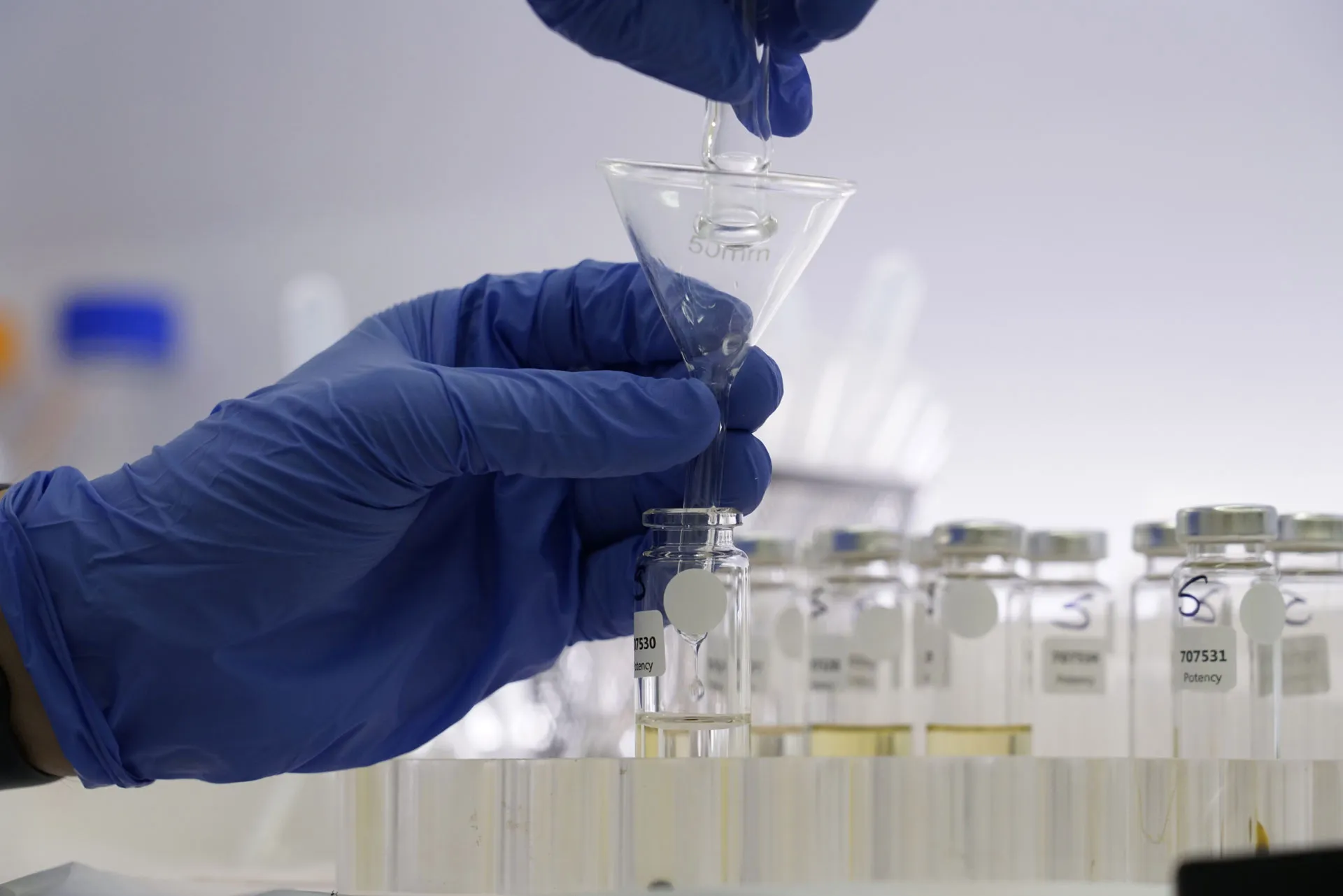
A scientist transferring CBD oil over to a vial for potency testing
WE ARE USDA- AND STATE-COMPLIANT.
FLORIDA COMPLIANCE

What You Need To Know

In 2020, Florida created a state hemp program that regulates plant cultivation and ingestible products. Florida’s hemp program does not cover smokable hemp yet. However, this has been added to a recent House bill that will be signed into law in the near future.
Submit Samples to start testing today!

For Hemp Cultivators

Research award icon in grey

Licensing Process

Growers who want to cultivate hemp in Florida must submit a FREE application to the FDACS and adhere to all requirements.
A microscope icon in grey.

THC Potency Testing

According to Florida law, cultivators must ensure their crops contain no more than 0.3% THC on a dry weight basis.
Three test tubes icon

Sample Collection & Testing

Hemp cultivators must coordinate sample collection with their laboratory and share the results with the FDACS in accordance with the Pre-Harvest Sampling Manual.
A test tube and round bottom flask in grey

Remediation & Retesting

Cultivators have two chances to retest plots that exceed the 0.3% THC limit before the plots must be destroyed.
A test tube and round bottom flask in grey

Rule 5B-57.014 State Hemp Program

The complete 9-page document from the Florida Department of Agriculture and Consumer Services is available for download here.

Licensing Process

Hemp farming hopefuls in Florida must submit a free application to the FDACS to be officially designated in the state. Licensee applicants must:
Checkmark icon in violet and white
Pass a background check & submit fingerprints
Checkmark icon in violet and white
Submit an environmental containment & transportation plan
Checkmark icon in violet and white
Ensure they are using certified seeds & identify the land for cultivation
Checkmark icon in violet and white
Follow all guidelines at FDACS.gov

THC Potency Testing

In order to prove their plot is below the legal limit of 0.3% THC, hemp growers must follow a precise sampling protocol and test with a state-designated, DEA-registered (#RA0571996), ISO/IEC 17025:2017 Accredited by A2LA third-party laboratory.
Checkmark icon in violet and white
Plants must be tested 30 days prior to harvest by a designated laboratory
Checkmark icon in violet and white
The testing laboratory must submit results to the department within two days of receipt
Checkmark icon in violet and white
If a crop exceeds the legal THC limit, cultivators can dispose, destroy or retest
Checkmark icon in violet and white
Licensees must wait for department approval before they can harvest the lot
Checkmark icon in violet and white
Learn more from Florida’s Hemp Plan

Safety Tests

Hemp cultivators are not responsible for contamination testing. Such safety tests are required by processors and manufacturers who produce ingestible hemp products.

Sample Collection & Testing

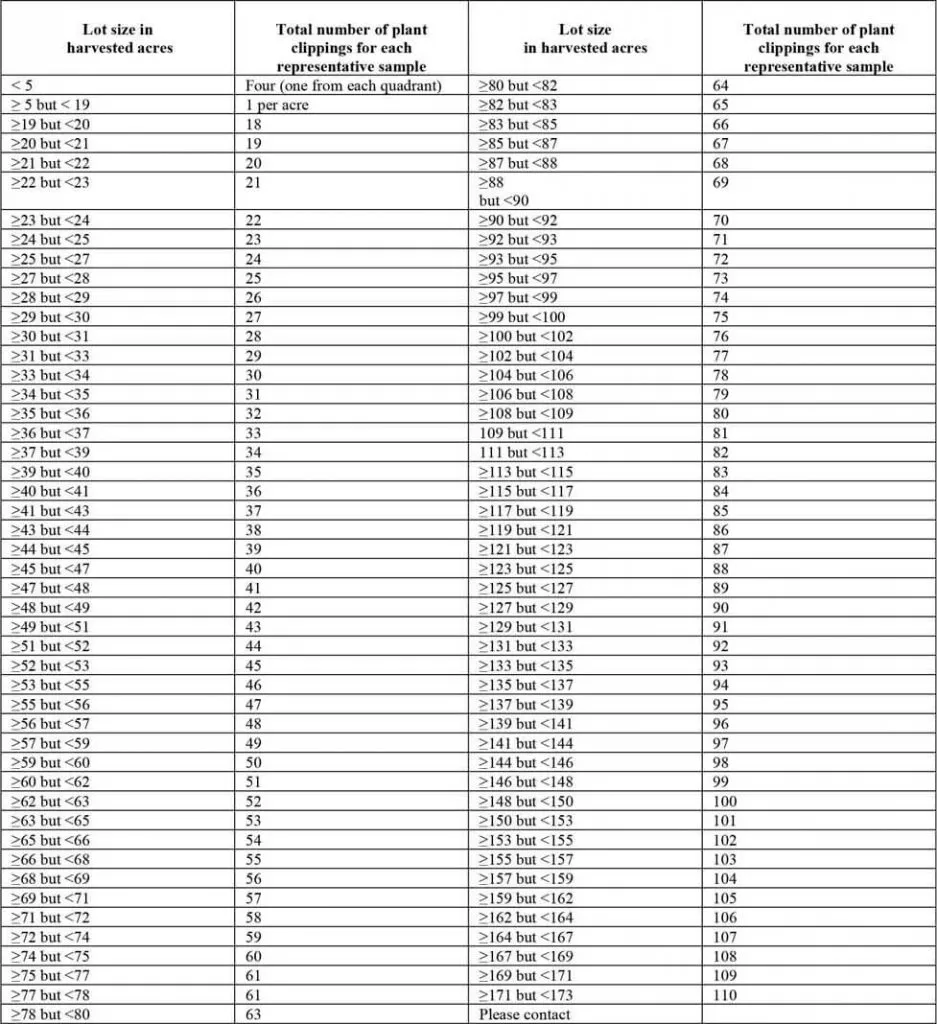
At 30 days prior to harvest, hemp licensees must complete a pre-harvest sample submission form and work with an FDACS agent to collect a representative sample from each lot. Growers must:
Checkmark icon in violet and white
Assemble sanitized sampling equipment and protective gear
Checkmark icon in violet and white
Identify the lot of hemp & divide into 4 equal parts
Checkmark icon in violet and white
Assemble 8-inch-long clippings from the primary stem, including floral material
Checkmark icon in violet and white
Submit the sample to an ISO/IEC 17025:2017 Accredited, independent laboratory.
Checkmark icon in violet and white
Learn more on page 30 of the hemp program rules
Pre-Harvest Sample Size Chart
Violet vector arrow pointing to the top right

Remediation & Retesting

Cultivators whose samples contain more than 0.3% THC can retest up to two times before they must dispose of the entire plot in accordance with the following guidelines.
Checkmark icon in violet and white
Licensee must request a retest within one day of receiving the results
Checkmark icon in violet and white
If the retest fails, the cultivator can request the FDACS perform a confirmatory test within one day
Checkmark icon in violet and white
If the confirmatory test fails, the crop must be destroyed and the cultivator must notify the department via a Notice of Disposal
Checkmark icon in violet and white
Learn more on pages 21-23 of the state hemp program

For Hemp Processors
& Manufacturers

The Florida Department of Agriculture and Consumer Services Division of Food Safety (FDACS/DFS) oversees rules related to ingestible hemp products, which includes CBD. Hemp extract can only be sold if the product has a Certificate of Analysis (COA) prepared by an independent testing laboratory and is sold in approved packaging.
Research award icon in grey

Licensing Process

Companies that want to process hemp extract in the state must submit an application to the department’s Division of Food Safety.
A microscope icon in grey.

THC & Safety Testing

According to Florida law, hemp processors must ensure their products contain no more than 0.3% THC and are free from harmful contaminants.
A test tube and round bottom flask in grey

Remediation & Retesting

Processors may remediate and retest products, but they can only sell extracts that are proven safe and compliant.
Tag icon in grey.

Labeling & Packaging

Hemp food products must adhere to generic food labeling requirements and specific hemp packaging rules.
A florence flask and a test tube in grey.

Laboratory Requirements

Florid hemp cultivators, processors and food establishments must work with designated independent testing laboratories. Designated laboratories, like ACS must meet the following requirements:
Checkmark icon in violet and white
Accredited to the International Organization for Standardization.
Checkmark icon in violet and white
Registered with Drug Enforcement Administration (DEA #RA0571996) in accordance with 21 CFR 1301.13.
Checkmark icon in violet and white
Utilize a Cannabinoid Analysis method included within the ISO/IEC 17025:2017 scope of accreditation.
Checkmark icon in violet and white
The ability to deliver results within two days of sample collection.
ACS Laboratory is the largest ISO/IEC 17025:2017 Accredited by A2LA #6786.01, DEA registered (#RA0571996), Hemp/CBD and Cannabis testing facility in the Eastern United States. USDA compliant and officially a “designated laboratory” by the Florida Department of Agriculture and Consumer Services Division of Plant Industry (FDACS/DPI); ACS is the ONLY DEA licensed laboratory that performs all hemp testing in Florida.
A scientist transferring CBD oil over to a vial for potency testing

R+D Testing

At ACS Laboratory, we also conduct R+D testing, intended for manufacturers and cultivators who want to utilize the results to improve the process of creating CBD products. R&D tests are conducted using the same protocols as compliance tests. On the other hand, you would choose compliance testing once R&D testing has been completed and products are known to be within the rules and regulations set forth.

Compliance testing is the final piece of the regulatory puzzle to ensure all products are what they are supposed to be and consumers are provided quality products.
Disclaimer: This content is current as of 02/01/2023. It is meant to be a guiding resource and should not be used to replace legal advice. Please speak to an attorney to confirm all questions related to compliance testing.

National Panel Tests

01

Cannabinoid Potency

Potency testing measures the cannabinoids present in each hemp sample and the strength of those compounds. We test for up to 50 cannabinoids to account for every state mandate and beyond.

02

Pesticides

Before launching the National Hemp Testing Panel, we followed Florida's strict national rules, testing for 68 pesticides using the most sensitive Ultra High-Performance Liquid Chromatography (HPLC)-Tandem Mass Spectrometry (MS/MS) equipment. However, recent new requirements from Colorado and California increased our pesticide total to 105.

03

Residual Solvents

Covering every state rule nationwide ensures the cleanest possible hemp-extracted products. Our National Hemp Testing Panel scans for 105 potential residual solvents.

04

Heavy Metals

At the request of many clients, we already follow the United States Pharmacopeia (USP) guidelines for pharmaceutical-grade products, which ban 24 heavy metals above a specific action limit and ensure products are safe to consume.

05

Microbiology and Mycotoxins

Before launching the National Panel, we tested for every mycotoxin contaminant required nationwide. However, we revised the action limits to the lowest levels, detecting parts per billion. Our National Panel tests 21 different microorganisms, including salmonella, E. coli, Aspergillus contaminants, and listeria.

06

Moisture and Water Activity

Although most states don’t require moisture and water activity testing, these analyses are critical. Plants with high moisture levels are more likely to develop fungi, mold, and bacteria that can impact product quality and safety.

07

Terpene Concentration

Our National Hemp Testing Panel includes optional terpenes  testing. We test for 38 different terpenes.

08

Flavonoid Potency

Flavonoid testing can help brands enhance cannabis marketing and educate consumers on product benefits. Our National Hemp Testing Panel includes optional flavonoid potency testing for 16 different flavonoids.
Start Testing