Delta-10 THC is a hemp-derived cannabinoid that produces a much milder and less intoxicating high than traditional Delta-9 THC products.
People commonly describe Delta-10 effects as energizing, clear-headed, and mentally stimulating, although scientific research on its long-term effects and therapeutic value remains limited.
Third-party hemp testing is essential because the Delta 10 manufacturing process can leave behind residual solvents and unknown byproducts.
Delta-10 THC products face growing legal uncertainty as states, federal agencies, and lawmakers continue proposing bans on intoxicating hemp cannabinoids.
Delta-10 At a Glance
Delta-10 THC is a minor hemp-derived cannabinoid known for producing a lighter, more stimulating effect than traditional THC products. This guide explains how Delta-10 is made, how it feels, potential risks and side effects, current legality, product safety concerns, and why accurate hemp testing matters before buying or selling Delta-10 products.
What is Delta 10?
Delta-10 THC is a minor psychoactive (mind-altering) cannabinoid and an isomer of Delta-9 THC. It occurs naturally in hemp and cannabis plants.
Isomers share the same chemical formula but differ in chemical structure. In Delta-10 THC, the location of one carbon double bond differs from that of Delta-9 THC. This change alters how the compound interacts with cannabinoid receptors. It also partially explains why Delta-10 produces weaker psychoactive effects.
How is Delta-10 Made?
Hemp plants have very low levels of Delta-10. So, manufacturers can’t extract enough for commercial products. As a result, producers craft most Delta-10 products through a semi-synthetic process that turns hemp-derived cannabidiol (CBD) into Delta-10. Manufacturers use solvents, acids, and controlled chemical reactions for this process.
Delta 10 Effects
Delta-10 THC can produce a mild buzz with slight energy and mental clarity. However, it does not produce an intense high like, nor does it behave the same way in the brain.
Research shows D10 interacts less strongly with cannabinoid receptor 1 (CB1) than THC. The CB1 receptor is the main brain target for THC's intoxicating effects. Because Delta-10 binds weakly and may even block this receptor, it is generally not very potent. In fact, its reported effects may come from an entirely different mechanism. (source)
Can Delta10 Get You High?
Delta-10 THC can make you high at certain doses. Most people describe the high as subtle and mildly stimulating, with less brain fog compared to Delta-8 or Delta-9 THC.
People sometimes describe increased creativity, alertness, euphoria, and energy. However, others say Delta-10 is too weak. They need a much higher dose to feel effects like those of Delta-8.
Is Delta 8, 9, And 10 A Different High?
The high from Delta 10, 8, and 9 THC can feel very different depending on the dose.
Delta-9 THC creates the strongest psychoactive effects. It most intensely impacts mood, perception, coordination, memory, and thought patterns.
Delta-8 THC is generally less potent than Delta-9. Many people report milder relaxation, body sensations, and appetite stimulation with Delta-8 products.
Delta-10 THC appears to be the least potent of the three cannabinoids. People commonly describe the experience as energizing, uplifting, and mentally stimulating.
Some people compare Delta-10 effects to a sativa-type cannabis strain. Others associate Delta-8 with more indica-like relaxation.
Does Delta10 Help with Anxiety?
There is no direct research showing that Delta-10 helps with anxiety. Some people use Delta10 to help avoid anxiety or paranoia caused by regular THC due to its weaker psychoactive effects. However, others report mild anxiety after consuming the compound. (source)
Does Delta-10 make you hungry?
Delta-10 does not make most people hungry like regular weed or high Delta-8 doses. Most people report a mild euphoric stimulating effect. However, Delta 10 can subtly increase appetite at high doses.
Side Effects
Delta-10 side effects are much less prominent compared to Delta-9 and Delta-8 THC. However, Delta-10 can cause: (source)
Dry mouth
Dizziness
Sedation and confusion
Mild anxiety
Delta 10 Benefits
Scientists still know very little about Delta10's medicinal properties. Current research and real-world examples show three key benefits that future clinical data must prove.
Ideal Psychoactive Effects: Many say Delta-10 THC gives a lighter high. It brings mild euphoria, focus, and energy. This makes it feel better for daytime use.
Delta-10 may have anti-inflammatory effects: Early studies show it interacts with cannabinoid receptor 2 (CB2). (source) This receptor plays a role in immune and inflammatory signaling.
Future Therapeutic Interest: Immunologists believe Delta-10's unique effects on the endocannabinoid system could aid future research on inflammation and other health conditions. (source)
Is Delta 10 Safe?
Many people consume Delta 10 THC without any safety issues. Others experience unexpected side effects due to contaminated or mislabeled formulas.
One safety issue is that many states lack stringent hemp testing requirements for Delta-10 products. This lack of oversight means some formulations contain unsafe elements, including:
Non-natural unlabeled isomers
Toxic chemical byproducts
Unknown cannabinoid concentrations
"Eager entrepreneurs start creating Delta-10 products without the proper tools or knowledge. They may not know how to preserve a clean environment or understand the chemistry behind what they're doing, said David Reckles from Private Label Hemp Lab and Nerps.
How Do You Know if Delta-10-THC Products are Clean?
You can check if Delta-10 THC products are safe and correctly labeled by looking for a recent third-party Certificate of Analysis (COA). This lab report displays cannabinoid potency. It also shows test results for contaminants like solvents, pesticides, heavy metals, and unknown byproducts.
Follow these steps to prioritize product safety
Locate Your COA: You can usually find the lab report by scanning a QR code directly on the product packaging or by checking the brand's official website. If you can't find the COA, request it from the brand.
Match Your Batch Numbers: Always double-check that the batch number printed on the product packaging matches the number listed on the COA.
Verify Your Laboratory Test Results: Scrutinize the actual data within the COA rather than just glancing at the document. Make sure the potency results match the label claims and that the product passed all safety tests.
Legality and Drug Testing
Delta-10 is available for legal sale in hemp-derived formulas across the country. However, state bans and federal legislation make its future unknown.
Is Delta-10-THC legal?
Federal law currently allows hemp-derived cannabinoid products like D10 containing less than 0.3% Delta-9 THC. However, lawmakers continue pushing for bans on intoxicating hemp products and chemically converted cannabinoids.
Here’s what that means today and in the near future:
Federal law still allows hemp-derived Delta-10 products under the 2018 Farm Bill.
Several states already ban or heavily restrict Delta-10 THC.
Some states only allow sales through licensed adult-use cannabis programs.
Unfortunately, yes. Hemp drug tests don’t check for specific THC types. So, Delta-10 THC can show up in a urine test and might look the same as Delta-9. To be safe, avoid smoking or consuming Delta-10 if you expect to be drug tested.
Product Types
What Type of Delta-10-THC Products are Available?
Delta-10 products are available in various types, including:
Disposable pens
Vape cartridges
Delta 10 Gummies
Tincture/oil
Dabbing syringes
Chocolate bars
Concentrates
Flower and pre-rolls (Delta-10 distillate is sprayed on)
Manufacturers frequently blend Delta-10 with Delta-8 or HHC to create a more balanced, dynamic effect.
What are Delta-10 and Delta-8 Hybrid Products Like?
Delta-8 and Delta-10 hybrid products offer the best of both worlds. They combine relaxation with mental clarity for a unique high.
“With a Delta-8 and Delta-10 hybrid product, people can experience a mild indica effect without the risk of feeling sloth-like, thanks to the energy boost they receive from Delta-10. Plus, when CBD is added to the mix, they can benefit from the compound's ability to counteract THC's intense psychoactive effects,” said David.
Is Delta 10 Real Weed?
No, Delta-10 isn't "real weed" like traditional cannabis. But it is a real cannabinoid that exists in the cannabis plant. Traditional marijuana has high levels of Delta-9 THC. In contrast, hemp and cannabis plants have only trace amounts of Delta-10.
Are There High Delta-10-THC Strains?
High Delta-10 THC strains don’t exist because the compound occurs in very low amounts.
Brands tackle this potency issue by spraying Delta-10 distillate onto hemp flower. This way, consumers can smoke it just like natural cannabis.
Potency Testing & Labeling Accuracy
How Do Hemp Labs Test Delta-10-THC Potency?
Laboratories test hemp for Delta-10 THC using methods like those for CBD and Delta-9 THC. However, Delta-10 is tougher to analyze because its chemical structure is similar to other cannabinoids and byproducts.
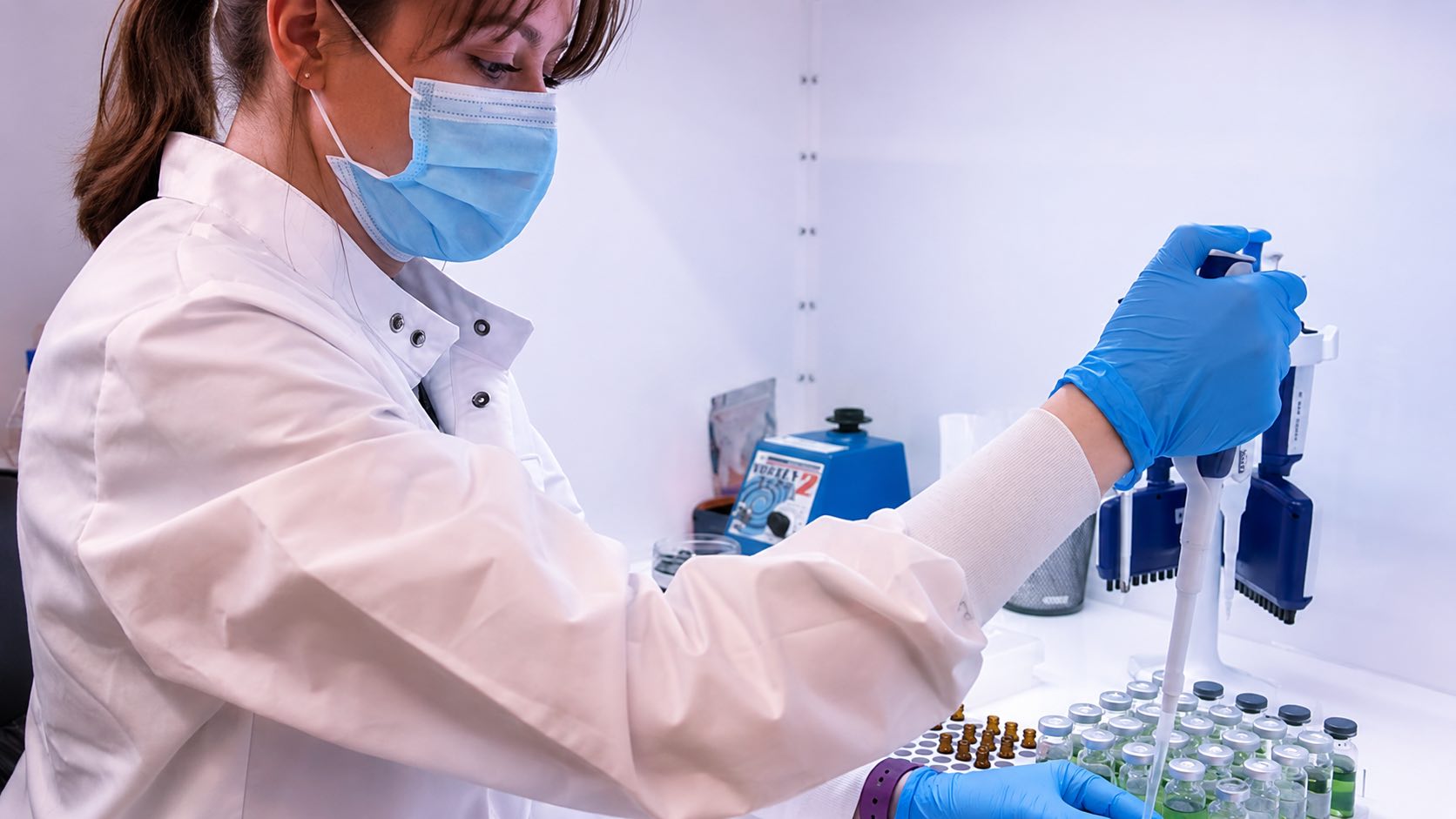
ACS Laboratory uses Ultra High-Performance Liquid Chromatography (UHPLC-UV) and certified reference standards to find and measure Delta-10 THC in flower, edibles, vapes, beverages, and extracts.
The team's reference standards help chemists tell Delta-10 apart from similar cannabinoids, including Delta-8, cannabichromene (CBC), cannabicyclol (CBL), and other compounds. Standard potency methods might confuse these compounds.
Can I Trust Delta-10 Potency Labels?
Delta-10 labeling accuracy is a major concern across the hemp industry. Market investigations keep finding mislabeled products. (source) They also uncover inflated potency claims and unlisted byproducts in converted hemp cannabinoids.
Common issues include:
Products overstating Delta-10 potency
Laboratories misidentifying cannabinoids
Delta-8 THC counted as Delta-10 THC
Unlisted reaction byproducts and residual solvents
Fake or altered Certificates of Analysis (COAs)
David says some manufacturers push labs to report higher Delta-10 results. This makes their products seem stronger or rarer than they are.
“There are a few bad apples who plainly Photoshop their labels or convince a laboratory to count Delta-8 as Delta-10 in the potency results.”
Hemp Delta10 Testing at ACS Laboratory
ACS Laboratory helps Delta-10 brands verify that their products are accurately labeled, compliant with regulations, and backed by defensible test results. The team helps brands sell some of the hemp industry’s most closely watched products. They provide reliable potency analysis, contaminant screening, and clear Certificates of Analysis (COAs).
Reliable results matter in a market filled with inaccurate labels, questionable claims, and inconsistent formulations. ACS Laboratory gives brands greater confidence when launching products, working with retailers, responding to regulators, and building long-term consumer trust.
Need trusted Delta-10 THC testing? Contact ACS Laboratory to start testing hemp products today.
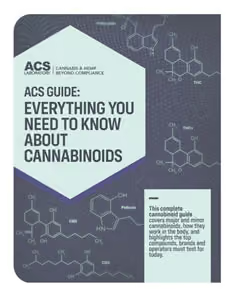
ACS Cannabinoids Guide
This complete cannabinoid guide covers major and minor cannabinoids, how they work in the body, and highlights the top compounds brands and operators must test for today.
Get the Guide
Need a Test or Have a Question
Call Us at 813-670-9197 or Click to send us a message.













.png)
.jpg)

.png)
.png)
.png)
.png)

