CBG is a non-intoxicating cannabinoid that shares its origin with CBD and THC — all three trace back to CBGA.
Early research suggests potential benefits for inflammation, nerve pain, skin health, and anxiety, though most evidence remains preclinical.
CBG is federally legal from hemp with 0.3% THC or less, and legal in nearly every U.S. state.
CBG comes in several forms, including oils, flower, vapes, gummies, and crystals. Oils and tinctures lead the market.
CBG occurs naturally in tiny amounts, so accurate lab testing matters. HPLC potency testing and a Certificate of Analysis confirm exactly what's in a product.
What is CBG?
Cannabigerol, or CBG, is one of the many natural compounds found in the Cannabis sativa plant. Unlike THC, it does not get people high. Scientists often call CBG the "mother cannabinoid," because its acidic precursor, CBGA, is the chemical starting point from which the plant produces many of its other well-known compounds, including CBD and THC. Early research points to potential benefits for inflammation, nerve pain, skin health, and anxiety.
How Does CBG Occur in Hemp and Cannabis Plants?
CBG rarely shows up in cannabis in large amounts unless the genetics are bred for that purpose. CBG, a minor cannabinoid, is produced slowly in harvested flower as a result of environmental degradation.
Heat, light, and prolonged storage conditions cause CBG’s acidic precursor, CBGA, to lose a carboxyl group in a process called non-enzymatic decarboxylation. This process converts CBGA into neutral CBG.
In most cultivars (strains), enzymes convert CBGA into CBD or THC almost as fast as the plant makes it. That leaves CBG at under 1% of dry weight.
CBG vs CBD: What’s the Difference?
CBG and CBD are both non-intoxicating cannabinoids that originate from CBGA in the cannabis plant. However, they diverge in almost every other respect.
Preclinical studies show that CBG is a biologically versatile compound that may support nerve and skin health, as well as pain response. Most of this evidence comes from animal and lab studies rather than large human trials, so think of CBG as promising and worth watching. However, it is not yet proven at a pharmaceutical scale.
CBG for Inflammation
Research suggests CBG can reduce inflammation independent of THC. In a mouse model of colitis, a painful inflammatory gut condition, CBG measurably reduced the inflammatory response — lowering myeloperoxidase activity and normalizing IL-1β levels, two key markers of gut inflammation. For anyone dealing with gut-related inflammation, that's a compound worth watching.
CBG for Neuropathic Pain
Nerve pain is notoriously hard to treat, and even harder to treat without patients building up a tolerance to medication over time. That's what makes this finding stand out: in a mouse model and follow-up study of chemotherapy-induced nerve pain, CBG reduced pain sensitivity by up to 70% — and it maintained that effect without requiring patients to take higher and higher doses. That's a meaningful distinction from many conventional pain treatments.
Dermatology & Antimicrobial
CBG may have a future in skincare, too. Lab studies on human skin cells found that CBG strengthened the skin barrier and disrupted bacterial biofilms, the sticky protective shields bacteria build to resist treatment. It's early evidence, but it points toward real potential in topical and antimicrobial formulations.
CBG for Anxiety & Cognition
In a controlled trial, a single 20 mg dose of CBG measurably reduced anxiety and even sharpened memory in healthy adults with no intoxicating effects reported. No fog, no high, just a calmer, clearer mind.
Perceptions of Sleep & Pain Support
In a survey of 127 CBG consumers, chronic pain and insomnia topped the list of reasons people reached for it. A striking 74–80% said CBG worked better than their usual medications. That's self-reported experience rather than a controlled clinical trial, but it's a strong signal of where the science is headed next.
How Does CBG Work in the Body?
CBG works by tapping into the body's endocannabinoid system (ECS), a network of receptors that helps regulate functions like pain, mood, appetite, and inflammation.
Receptors act as switches for cannabinoids. Some cannabinoids flip a receptor on and trigger a response, while others block it and prevent a response. CBG does both, depending on which receptor it reaches:
CB1 and CB2 receptors are the ECS's two main receptor types. CB1 is concentrated in the brain and nervous system, and CB2 is more common in the immune system. CBG acts as a weak or partial agonist at both, meaning it partially activates them rather than blocking them. Because it does not strongly trigger CB1 receptors, CBG is non-psychoactive and will not produce a high. Partial activation of CB2 receptors contributes to its anti-inflammatory effects. (source)
Alpha-2 adrenoceptors help regulate blood pressure, pain, and the body's stress response when activated. CBG switches these on strongly, which may explain its calming, pain-relieving effects. (source)
5-HT1A receptors, a type of serotonin receptor, are tied to mood and anxiety. CBG's relationship with them is more complex than a simple on/off switch. Rather than activating the receptor the way CBD does, CBG appears to block other signals that suppress serotonin activity. In animal studies, that still adds up to a calmer, less anxious response. (source)
TRPM8 is a cellular sensor that normally responds to cold temperatures or cooling agents such as menthol. CBG acts as a blocker (antagonist) for this sensor, turning off its signals. Because TRPM8 channels play a key role in driving the growth of certain cancers, blocking them can help slow or stop the spread of tumor cells. (source)
Is CBG Legal?
CBG is federally legal. The 2018 Farm Bill allows it, as long as it comes from hemp with 0.3% THC or less. State laws generally follow that same standard, so hemp-derived CBG is available to buy and sell in nearly every U.S. state.
A new federal hemp law changes the picture for some hemp products. The law targets intoxicating and synthetic cannabinoids like delta-8 and caps THC content per container.
CBG is a naturally occurring, non-intoxicating cannabinoid. Thus, CBG products should not be affected by the rule, provided they do not contain banned compounds.
The surest way to confirm a CBG product is compliant? Check its Certificate of Analysis (COA) from an accredited lab.
This section is intended for general educational purposes and isn't legal advice. Brands and consumers should consult current state regulations and a qualified attorney for guidance specific to their situation.
Types of CBG Products
CBG shows up in several product formats, each suited to a different need.
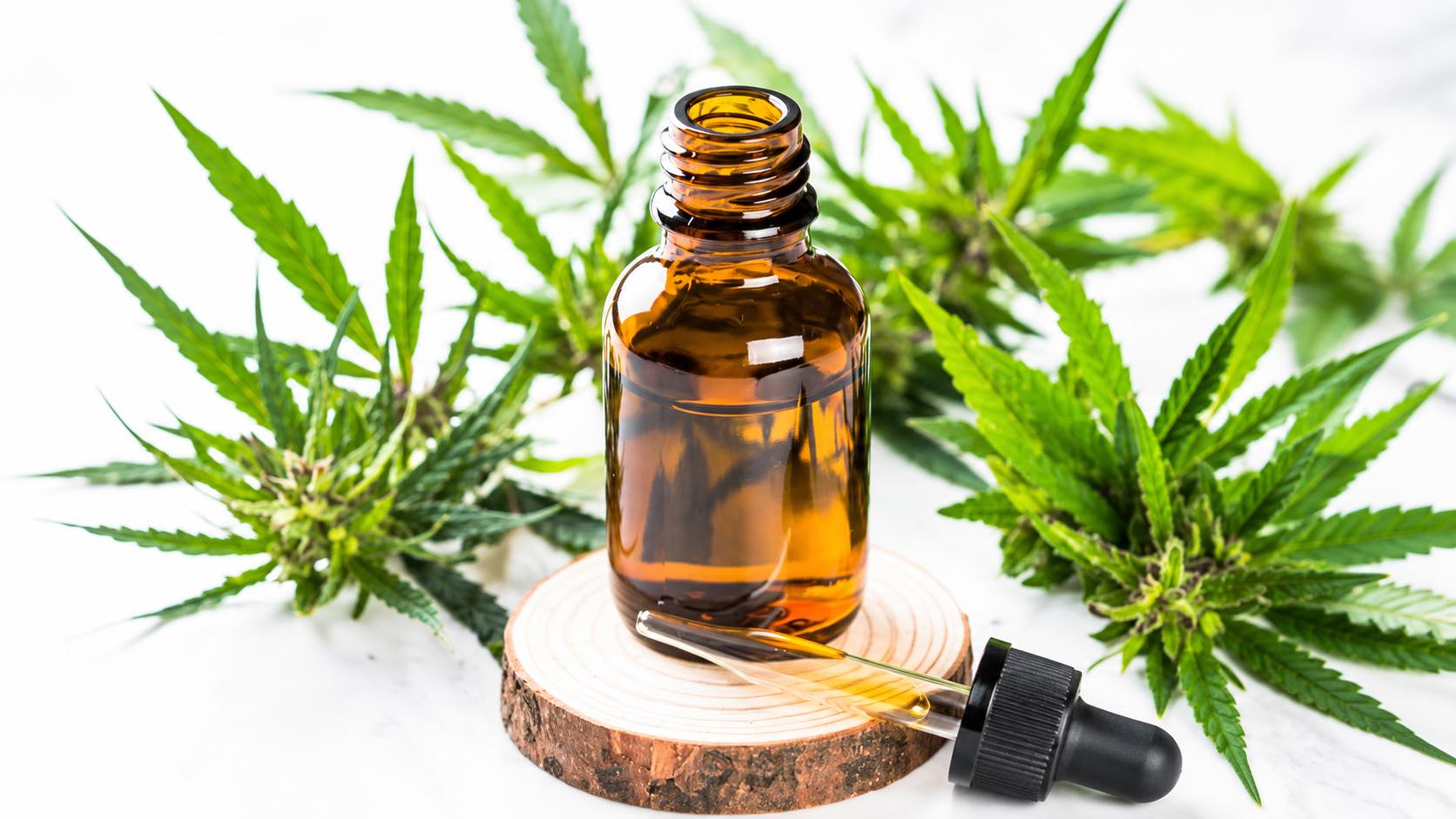
CBG Oils & Tinctures
Oils and tinctures account for the largest share of the CBG market by revenue, with full-spectrum CBG oil leading the category. (source) A few drops placed under the tongue are absorbed quickly into the bloodstream, making this format well-suited to a precise, adjustable daily dose.
CBG Flower
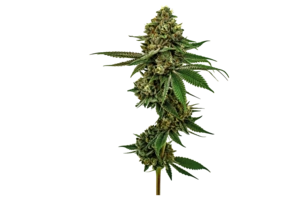
Breeders have cultivated certain hemp strains, such as White CBG, American Shaman, White Wale, and Jack Frost, specifically for high CBG levels. These products typically test between 12% and 20% CBG and get smoked or vaped in the same way high-CBD hemp flower does. The effects of CBG flower tend to be more noticeable than straight CBD flower, but still mild.
CBG Vapes
Vape products deliver CBG oil or distillate through a pen or cartridge, producing effects within minutes. That fast onset comes at a tradeoff, though: the effects also fade faster than oils or edibles.
CBG Gummies
Gummies infuse a dose of CBG into a chewable format. Across the broader edibles category, gummies are the dominant format. Digestion slows the onset compared to vaping or tinctures, but gummies offer precise dosing and an extended psychoactive experience with no equipment required.
CBG Crystals
CBG crystals, also called CBG isolate, reach roughly 98%+ purity with zero detectable THC. That powder dissolves under the tongue, sprinkles into flower, blends into oils, or mixes into smoothies and juice as a standalone supplement.
High CBG Strains
High-CBG strains absolutely exist. Mickey Kush, bred by TGA Subcool Seeds, is one well-known example, though it's also high in THC and will produce psychoactive effects. Hemp cultivators have since bred non-psychoactive, hemp-derived CBG strains that stay under the legal 0.3% THC limit. These include:
White CBG — roughly 9–19% CBG, depending on the grower
Jack Frost CBG — around 13% CBG
White Widow (CBG hemp strain) — around 15–20% CBG; not the classic THC strain of the same name, but a hemp cultivar sold under that name by brands like CBD American Shaman, alongside similar strains such as John Snow and Sour G
How is CBG Extracted?
Manufacturers extract CBG from hemp using a solvent, most commonly CO2 or ethanol. The hemp plant material gets soaked in or exposed to the solvent, which pulls the cannabinoids and terpenes out of the plant.
CO2 extraction, conducted under high pressure and controlled temperature, tends to yield the highest purity, while ethanol extraction is faster and less expensive to run.
Once the solvent has done its work, producers evaporate it off under vacuum, leaving behind a concentrated CBG extract. Additional refinement steps, such as winterization and filtration, remove residual plant fats, waxes, and chlorophyll to further purify the concentrate.
How Is CBG Measured & Lab Tested?
Labs measure CBG through potency testing, the same process used for CBD, THC, and other cannabinoids. ACS Laboratory uses Ultra High-Performance Liquid Chromatography (HPLC) to test CBG potency across flower, edibles, extracts, and beverages, quantifying up to 32 cannabinoids.
Ready to see exactly how much CBG is in your product? Contact ACS Laboratory for accurate, accredited potency testing.
FAQs
How do people describe CBG effects?
People commonly describe the feeling as relaxing without being drowsy. Many CBG bud fans also report that the effects intensify when paired with CBD, and especially with THC flower.
Is CBG psychoactive?
No. CBG doesn't produce the "high" associated with THC, and it won't impair motor skills or cognitive function at typical doses. Its interaction with the CB1 receptor differs from THC's, which explains the absence of intoxicating effects.
How should you store CBG flower to preserve potency?
Keep CBG flower in a sealed container to preserve its potency. A controlled study on dried hemp flower found that sealing the flower to maintain its moisture levels was the main driver of total cannabinoid preservation over a 6-month storage period. Flower stored at a slightly higher moisture level (8.5%) retained more total cannabinoids than flower dried further (4.5%).
How much CBG should I take?
Research on optimal dosing is limited. The one published human clinical trial tested a 20 mg CBG dose and found it reduced anxiety and stress within an hour. Starting low and adjusting gradually is the general approach recommended for any new supplement.
Does CBG show up on a drug test?
Standard drug tests screen for THC, not CBG, so CBG itself won't trigger a positive result. That said, full-spectrum CBG products can contain trace THC within the legal 0.3% limit, and frequent or high-dose use of those products could, in rare cases, lead to detectable THC levels. Broad-spectrum or isolate CBG products carry less of that risk, since manufacturers process out the THC.
Need a Test or Have a Question
Call Us at 813-670-9197 or Click to send us a message.















.png)

.jpg)


.png)
.png)
.png)
.png)

