Cannabis concentrates remain one of the industry’s most innovative categories. Extracts are a smaller, more specialized share of total cannabis sales today. However, premium formats like rosin are still growing, and infused flower is seeing significant year-over-year growth of nearly 58%. As the market evolves, brands have a real opportunity to meet that demand with better education, clearer product differentiation, and smarter innovation.
This article breaks down the most popular and widely available cannabis concentrates consumers can expect to see in 2026 and beyond.
What Are Cannabis Concentrates?
Cannabis concentrates are condensed extracts of the plant’s trichomes. Trichomes are the tiny, crystal-like resin glands that coat the surface of cannabis flower and contain the highest levels of cannabinoids, terpenes, and flavonoids. The resulting products, including cannabis wax, budder, shatter, sauce, live resin, hash oil, moonrocks, and infused flower, contain 50% to 90% or more THC.
How They’re Made
Manufacturers utilize various extraction techniques to produce cannabis concentrates, but all fall into two broad categories: solvent-based and solventless.
Solvent-based (most common, uses chemicals)
Solvent-based extracts use chemicals to extract trichomes from the plant material.
Typical solvents include butane, propane, ethanol, methanol, or CO2.
Butane is the most popular solvent. It works well because its low boiling point helps preserve delicate terpenes and prevents excessive heat damage during extraction.
Solvents are unsafe to ingest at certain levels. That’s why manufacturers remove any remaining solvents by gently heating the extract in a vacuum oven.
Solvent-based products include hash oil, wax, crumble, shatter, sauce, and live resin concentrate.
Not all BHO concentrates are equal—ACS Laboratory tests Florida medical cannabis and hemp extracts nationwide for potency, solvents, and terpenes so your products meet the highest standards.
Solventless (specialized, chemical-free)
Solventless extraction uses mechanical movement (agitation), such as shaking or stirring in ice water, to separate trichome resin glands from the plant material.
Producers then apply low heat and high pressure to squeeze those collected trichomes into concentrated oil.
Solventless extracts do not require chemicals during production and fall into the “rosin” family of concentrates.
Rosin products include live rosin concentrate, rosin fresh press, rosin badder, rosin jam, rosin dry sift, and 6-star hash.
What Are The Most Popular Cannabis Concentrates?
U.S. 2025 sales data show that consumers are leaning into live rosin for its chemical-free craftsmanship and terpene preservation. At the same time, infused flower is surging as buyers seek stronger effects in familiar formats. The category has matured, but it hasn’t slowed down. Dispensary shelves now reflect that evolution, offering everything from solventless standouts to classic wax, shatter, sauce, and hash oil.
Below, we analyze the 10 most adored and common cannabis concentrates available today
1. Live Rosin
Cannabis live rosin is a premium, solventless concentrate made by applying low heat and pressure to fresh-frozen cannabis.
Look and feel
Live rosin typically appears light golden to creamy beige and can range from glossy and translucent (fresh press) to opaque and whipped (cold-cured or badder). It feels soft and pliable at room temperature, often resembling thick batter or sticky sap depending on how producers finish it.
Potency
Live rosin typically contains 60% to 85% tetrahydrocannabinol (THC), depending on the cultivar (strain), the efficiency of trichome separation (wash quality), and post-press handling.
Terpene content
Total terpene content often ranges from 5% to 15% because fresh-frozen cannabis retains more of these volatile aromatic compounds.
How they’re made
Manufacturers produce live rosin from fresh-frozen, uncured cannabis, similar to live resin. However, they complete the process without butane, relying instead on mechanical separation, low heat, and pressure.
Here’s how it works:
First, growers harvest the cannabis and immediately flash-freeze it to protect volatile terpenes.
Next, producers wash the frozen material in ice water to separate the trichomes. This step produces bubble hash, which is a concentrated collection of those resin glands.
Then, manufacturers carefully dry and sift the hash before placing it into a rosin press. The press applies controlled heat and pressure to squeeze out a solventless oil.
Finally, producers finish the extract in different forms, including as an ingredient in vape cartridges and edibles, as traditional live rosin (fresh press), as cold-cured live rosin, or as live rosin jam (or jelly).
How to use
Consumers typically inhale live rosin by dabbing it onto a heated surface, such as a quartz banger or an electronic rig, which vaporizes the concentrate for inhalation. Some people use live rosin in a compatible vaporizer designed specifically for solventless extracts. Some may also use small amounts to infuse joints or bowls.
2. Live Resin Concentrates
Cannabis live resin concentrate is a high-potency, solvent-based extract derived from fresh-frozen, rather than dried, cannabis plants.
Look and feel
Live resin products generally have a sticky consistency, almost like taffy. However, manufacturers can manipulate the final texture to be saucy, sugary, or buttery, depending on the processing method (more on that below). In terms of color, live resin concentrates are typically dark yellow but can vary from light yellow to white.
How live resin is made
Manufacturers produce live resin using a chemical solvent-based extraction process that preserves the terpene content and captures the plant’s full aroma profile.
Here's how it works:
First, growers harvest the cannabis and immediately flash-freeze it to lock in volatile terpenes that would otherwise degrade during drying and curing.
Next, producers extract cannabinoids and terpenes from the frozen material, typically using a hydrocarbon solvent such as butane or propane.
Then, manufacturers remove residual solvent under controlled heat and vacuum pressure.
Finally, producers finish the extract in different forms, including as an ingredient in vape cartridges and edibles, as a traditional live resin concentrate, as live resin sugar, as live resin badder, as live resin sauce, or as live resin diamonds, depending on how they control heat, time, and separation.
Potency
Most live resin concentrates retain 65% to 95% THC content, depending on the cannabinoid profile of the fresh-frozen plant.
People typically consume live resin through inhalation to take full advantage of its high terpene content, with dabbing being the most popular method for a potent, flavor-forward experience. Live resin is also commonly found in vape cartridges or "dab pens" for a more portable and discreet option, or it can be "twaxed" by adding it to a joint or bowl of flower to boost potency.
3. Infused Flower & Prerolls
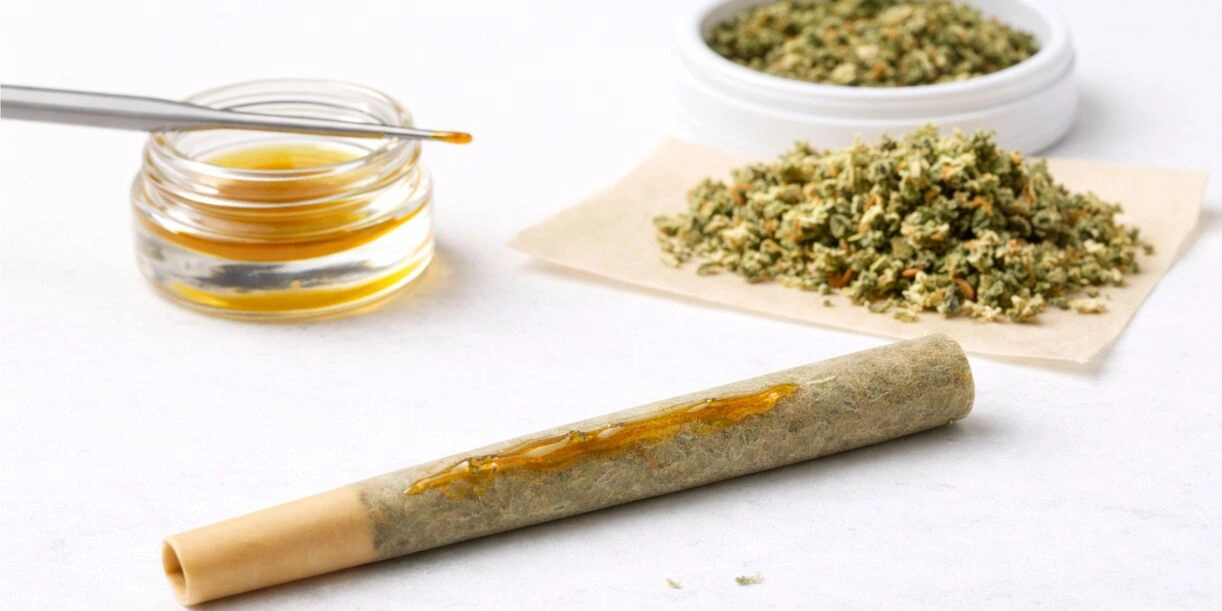
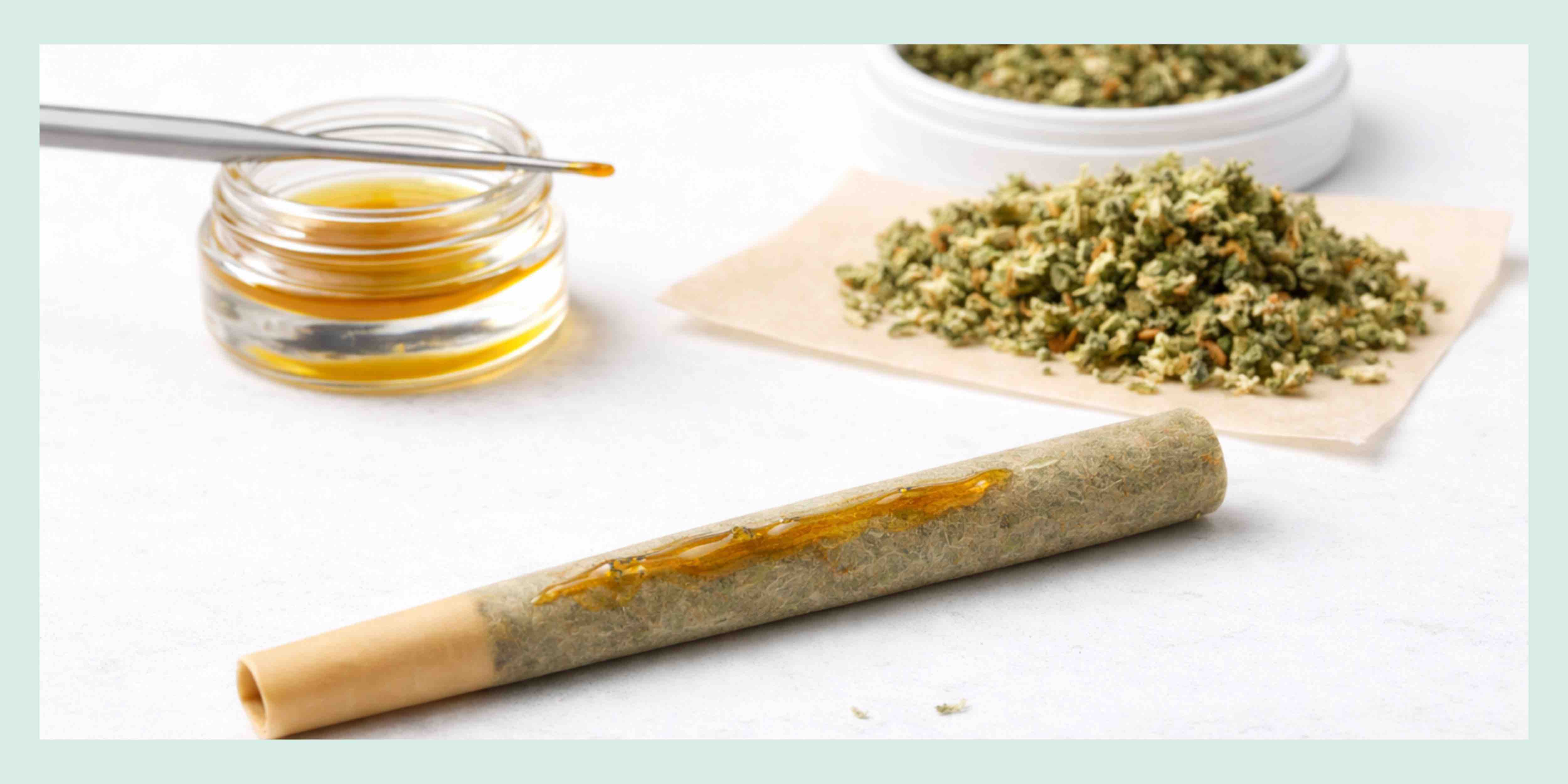
Infused flower and joints are smokable plant-based cannabis products enhanced with concentrated extracts (such as kief, hash, live resin, or live rosin) to increase potency, flavor, and effects significantly.
Look and feel
Infused flower looks like standard cannabis buds but often appears "wet," shiny, or darker due to the addition of oils. Infused prerolls look like standard joints but may have oil spiraled around the outside or visible "hot spots" where concentrate has bled through the paper. To the touch, both are significantly stickier and denser than their non-infused counterparts.
Potency
Infused flower and pre-rolls typically contain 25% to 50% tetrahydrocannabinol (THC), as the addition of concentrates significantly boosts the base strength of the flower.
Terpene content
Total terpene content usually ranges from 1% to 10%, although products infused with terpene-rich extracts may test higher.
How infused flower and prerolls are made
Manufacturers produce infused flower and pre-rolls by combining cannabis flower with a concentrate to increase potency and alter flavor.
Here’s how it works:
First, producers select cured cannabis flower. They keep buds whole for infused flower and grind the flower when making pre-rolls.
Next, manufacturers add a concentrate such as distillate, hash oil, live resin, live rosin, or crushed THCA diamonds.
Then, producers apply the concentrate by coating the outside of the bud, mixing it evenly into ground flower, or injecting it into pre-rolls to distribute the oil throughout.
Finally, manufacturers may roll the infused flower in kief for an additional cannabinoid layer, depending on the product style.
How to use
Most people smoke infused flower in a pipe, bong, or rolled format just as they would standard flower, but they typically use smaller amounts due to the higher potency. Pre-rolls come ready to smoke using a standard lighter. Experienced smokers inhale slowly to allow the concentrate to burn evenly with the flower.
4. Hash Oil
Hash oil is a broad term for various solvent-extracted cannabis oils. It goes by many names depending on the solvent used and the level of refinement, including Rick Simpson oil, butane hash Oil, and propane hash oil.
RSO (Rick Simpson Oil): RSO is a dark, full-spectrum, whole-plant extract ethanol hash oil extract typically used for medicinal ingestion rather than inhalation. It contains plant fats, waxes, and chlorophyll.
BHO (Butane Hash Oil): BHO is a popular and versatile extract made with butane, known for producing a wide range of textures, including shatter and wax. BHOs are refined to remove plant fats and waxes, and leave a clean, high-purity concentrate behind.
PHO (Propane Hash Oil): PHO is a refined, propane-based extract that often yields a lighter color and a more flavorful, terpene-rich profile at lower processing temperatures than BHO.
Look and feel
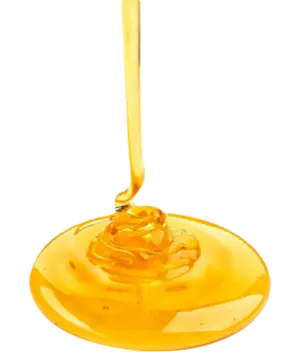
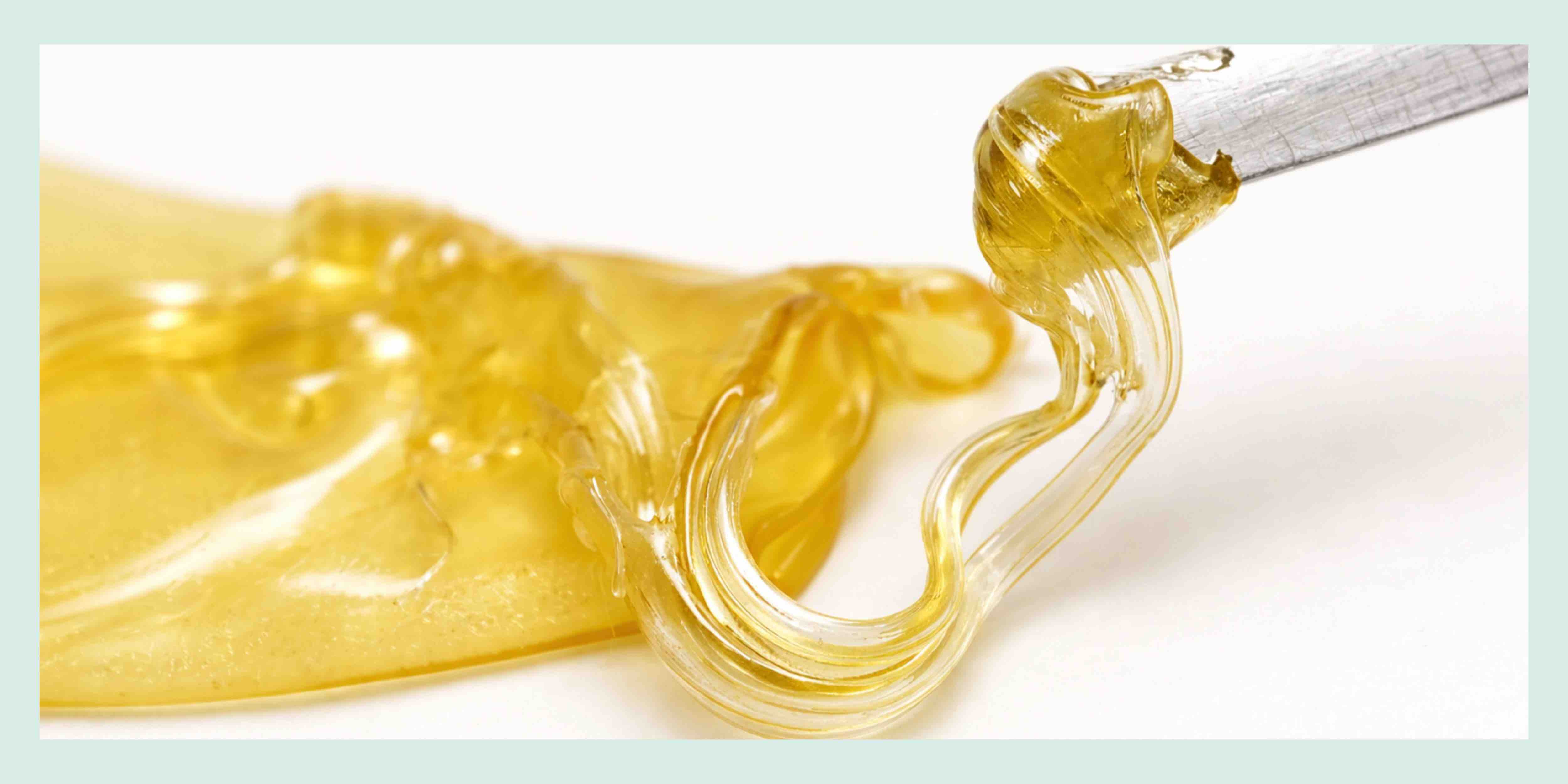
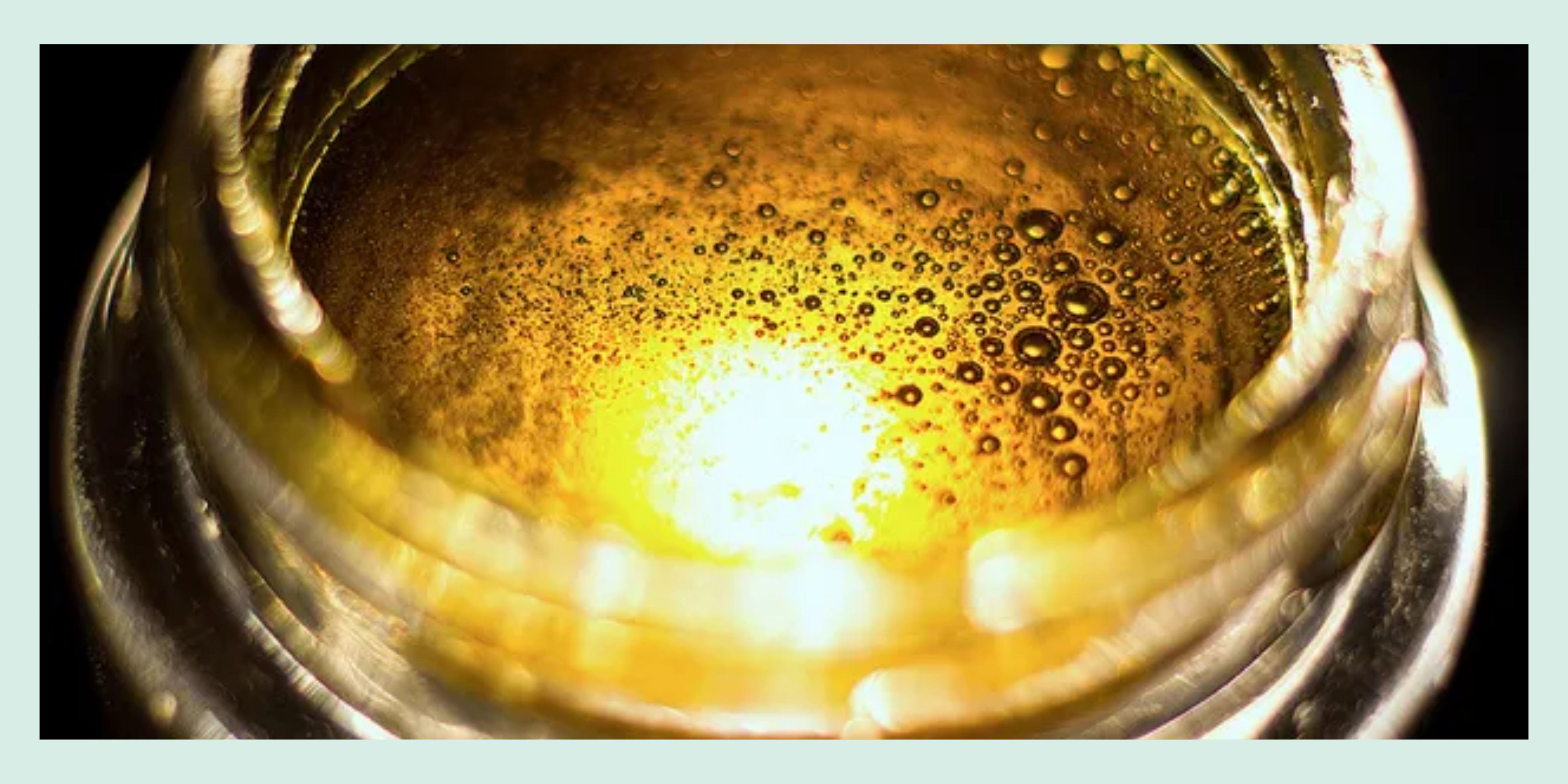
Raw, unrefined hash oil appears as a dark, murky, opaque sludge with a thick, greasy texture, leaving a heavy, waxy residue on the skin. As it is refined and winterized, it transforms into a vibrant, translucent amber liquid that looks like polished glass or honey and flows with a slow, syrupy consistency. Across this spectrum, the oil remains incredibly tacky and "web-like" to the touch.
Potency
Standard raw BHO (honey oil) typically contains about 60% to 90% THC, depending on the starting material and level of refinement. Crude hash oils, like RSO, may be lower, around 50% to 75% THC.
Terpene content
Terpene content usually ranges from 2% to 10% in butane hash oils, with crude hash oil at the lower end and honey oil at the higher end.
How hash oil is made
Manufacturers produce hash oil by extracting cannabinoids and terpenes from the cannabis plant using solvents such as ethanol, hydrocarbons (butane or propane), or carbon dioxide (CO₂). Producers typically do not use specialized starting material, like fresh-frozen bud, or post-processing (like agitation) to alter texture.
Here’s how it works:
First, manufacturers run a solvent through cannabis flower or trim to dissolve cannabinoids and terpenes, producing a crude cannabis oil.
Next, they remove the solvent using controlled heat and vacuum pressure, leaving a concentrated oil.
Next, some producers refine the oil by filtering out fats and waxes, or by further purifying it to achieve a smoother texture and cleaner flavor.
Finally, manufacturers package the oil as a stand-alone concentrate or use it as an ingredient in vape cartridges, edibles, tinctures, and infused pre-rolls, depending on how far they refine it.
How to use
People consume hash oil differently depending on the type of product.
Medical users typically ingest Rick Simpson oil (RSO) by placing a small amount under the tongue or mixing it into food.
BHO and PHO are primarily designed for inhalation via "dabbing," which involves vaporizing the oil on a heated ceramic or quartz surface for immediate effect.
PHO is prized by connoisseurs for dabbing at low temperatures to fully experience its preserved flavor and aromatic profile.
5. Wax Concentrates
Cannabis wax is a highly potent, solvent-based extract known for its soft, malleable, and opaque texture.
Look and feel
Wax concentrates have a sticky wax consistency. They’re typically dense, sometimes granular, and often look golden in color. Wax concentrates are known for their intense aroma and robust flavors that vary depending on the cultivar from which they’re produced.
Potency
Most wax concentrates fall between 60% and 80% THC, but can exceed 90% in some cases.
Terpene content:
High-quality wax concentrates typically come from cured bud with relatively high terpene content. As a result, cannabis wax typically has notable terpene levels of around 5.9% when carefully extracted.
How cannabis wax is made
Manufacturers typically produce wax using the butane hash oil (BHO) extraction method, followed by specific processes to create the unique texture.
Here’s how it works:
First, they pass liquid butane through the plant material. Butane acts as a solvent, dissolving active compounds and separating them from the rest of the plant.
After this step, the process produces a thick, sticky BHO oil. At this stage, the extract looks more like a dark syrup than wax.
Manufacturers then remove the remaining butane by heating the extract in a vacuum oven. A vacuum lowers the air pressure around the oil. Lower pressure allows butane to evaporate at a lower temperature.
To create the waxy texture, producers heat and agitate the oil. Agitation simply means stirring or whipping the extract, which introduces air and disrupts its smooth, glass-like structure.
This process transforms a sticky oil into a softer, opaque concentrate with a wax-like consistency.
How to use cannabis wax
Vape pens don’t usually handle wax well, and lighting wax directly to smoke destroys much of the temperature-sensitive terpenes. Most people consume wax concentrates through a dab rig, a specialized type of bong, or a water pipe with an attached nail to smoke dense concentrates like wax via water vapor.
Another popular method is a full-scale vaporizer, which uses coils that reach high enough temperatures to handle wax. Because dab rigs and vaporizers turn wax into a vapor, these methods might also reduce lung irritation linked to smoking and allow people to feel the effects immediately.
6. Shatter
Cannabis shatter is a highly concentrated, potent extract characterized by its brittle, translucent, glass-like appearance.
Looks and Feel
Shatter looks like a thin, hard candy with a glassy texture. Top-quality shatter is nearly transparent, with a signature amber color.
Potency
Shatter typically features a high THC potency ranging from 70% to 90%.
Terpene content:
Its terpene levels are generally lower than those of "live" extracts, typically 2% to 5%, because the heat used to achieve its signature stability can evaporate some of these delicate aromatic compounds.
How shatter is made
Manufacturers typically produce shatter using a hydrocarbon extraction process, with unique handling to create its glassy texture.
Here’s how it works:
First, manufacturers pass liquid butane through the plant material to dissolve cannabinoids and terpenes, then separate them from the plant material.
Next, manufacturers remove the remaining butane by heating the extract in a vacuum oven.
To create shatter, producers apply controlled heat and leave the oil mostly undisturbed so the molecules stay tightly aligned. This alignment allows light to pass through the concentrate, giving shatter its transparent look and brittle feel.
Usage
Shatter’s rigid, glass-like texture makes it more difficult to handle than softer concentrates, such as wax. Its stable structure gives it a longer shelf life, but its brittle consistency requires consistently high heat for proper vaporization, which can damage standard vape pens not designed for concentrates. Consumers most commonly use shatter by dabbing it onto a heated surface or vaporizing it in a device designed for concentrates.
7. Budder, Badder, Batter
Budder, badder, and batter are types of cannabis concentrates named for their whipped, creamy consistency.
Look and Feel
Budder, badder, and batter are all essentially the same type of wax concentrates. However, badder has a softer, pliable "cake batter" consistency, while budder has a firmer, creamier, butter-like texture.
How They’re Made
Manufacturers produce budder using a process similar to that used for most cannabis concentrates. However, they agitate the oil differently to create a thick, creamy texture.
Here’s how it works:
First, manufacturers use a solvent such as butane, propane, or carbon dioxide (CO₂) to extract cannabinoids and terpenes from the flower, producing a concentrated oil.
Next, they remove any remaining solvent using controlled heat and vacuum pressure.
To create the butter texture, producers whip the extract while it is still warm. This agitation changes how the cannabinoids settle and begin to crystallize, leading them to form tiny solid structures within the oil.
To create a badder texture, producers whip the solution more, often at lower temperatures.
Budder and badder producers intentionally introduce air and disrupt molecular alignment. However, unlike sticky wax, they control the whipping time so it does not become waxy or crumbly.
Potency
Budder and badder typically contain between 70% and 90% tetrahydrocannabinol (THC).
Terpene content:
Their terpene content is fairly high, typically 4% to 10%.
Usage
Budder and badder’s fluffy texture makes them very malleable, so it’s easy to scoop onto dab tools for almost effortless consumption. Budder is also easy to smoke in a joint, a blunt, or a bong. However, combining it with some ground flower is best to ensure it burns properly.
8. Crumble
Cannabis crumble is a dry, honeycomb-like concentrate known for its brittle, sandy texture that easily breaks apart or "crumbles" into small chunks.
Look and feel
Crumble is a popular, budget-friendly concentrate known for having a more subtle terpene profile than creamy badders, though it often retains more flavor than highly-purged shatter. Its color ranges from pale yellow to deep amber, and its texture resembles dry, honeycomb-like sugar clumps.
How crumble is made
Manufacturers produce crumble using a typical solvent-based extraction process, but they adjust the post-extraction heating step to create the dry texture.
Here’s how it works:
First, manufacturers extract cannabinoids and terpenes from the flower using a solvent, producing a concentrated oil.
Next, they place the extract in a vacuum oven to remove any remaining solvent.
Crumbl producers use lower heat for a longer period than other concentrates.
This extended, low-temperature purge slowly removes residual solvent and moisture, transforming the oil into a dry, brittle concentrate with a crumbly, honeycomb-like texture.
Some producers introduce light agitation but avoid aggressive whipping, as in wax and budder concentrates.
Potency
Crumble typically delivers a high THC potency ranging from 60% to 90%.
Terpene content
Its terpene content generally lands between 2% and 5%, as the extended low-heat vacuum drying often causes some of the more volatile aromatic compounds to evaporate.
How to use
The sugar texture makes cannabis crumble easy to handle and ideal for sprinkling on a rolled joint. Crumble is also easy to vaporize on a rig or dab setup.
9. Sauce (aka terp sauce)
Cannabis Sauce, or "Terp Sauce," is a high-terpene extract characterized by a liquid, syrupy consistency.
Look and feel
Cannabis sauce is a high-terpene, full-spectrum extract (HTFSE) that combines THCa crystals with a terpene-rich syrup. The resulting product has a dense, oily consistency like marmalade or applesauce.
Potency
Terp sauce typically has a THC potency ranging from 40% to 60%, as a large portion of the extract is composed of liquid terpenes rather than solid cannabinoids.
Terpene content
By far the most terp-heavy of solvent-based concentrates, cannabis sauce typically contains 13% to 40% terpenes.
How terp sauce is made
Manufacturers produce sauce using a solvent-based extraction process that starts with fresh-frozen, high-quality cannabis to preserve terpene content.
Here’s how it works:
First, producers extract cannabinoids and terpenes from fresh-frozen bud using a hydrocarbon solvent, like propane or butane.
Next, manufacturers refine the extract by cooling and filtering it to remove fats and waxes. The refined extract rests in a controlled, cool environment for an extended period, sometimes several weeks.
During this time, natural separation occurs. THCA crystallizes, forming solid crystals that sink to the bottom. Terpenes remain in liquid form and rise to the top, creating a thick, aromatic layer often called terpene sauce.
Finally, producers gently purge any remaining solvent.
Most manufacturers recombine the THCA crystals and terpene layer in specific ratios.
Usage
Sauce can seem like a confusing mess for those unaccustomed to this concentrate. However, the consistency is not as runny as the name suggests. Most people like to dab or vaporize terp sauce the same way they do other concentrates. “Terp sauce” cartridges are also available for vaping.
10. Moonrocks
Moonrocks are potent products made by layering cannabis flower, concentrate, and kief.
Look and feel
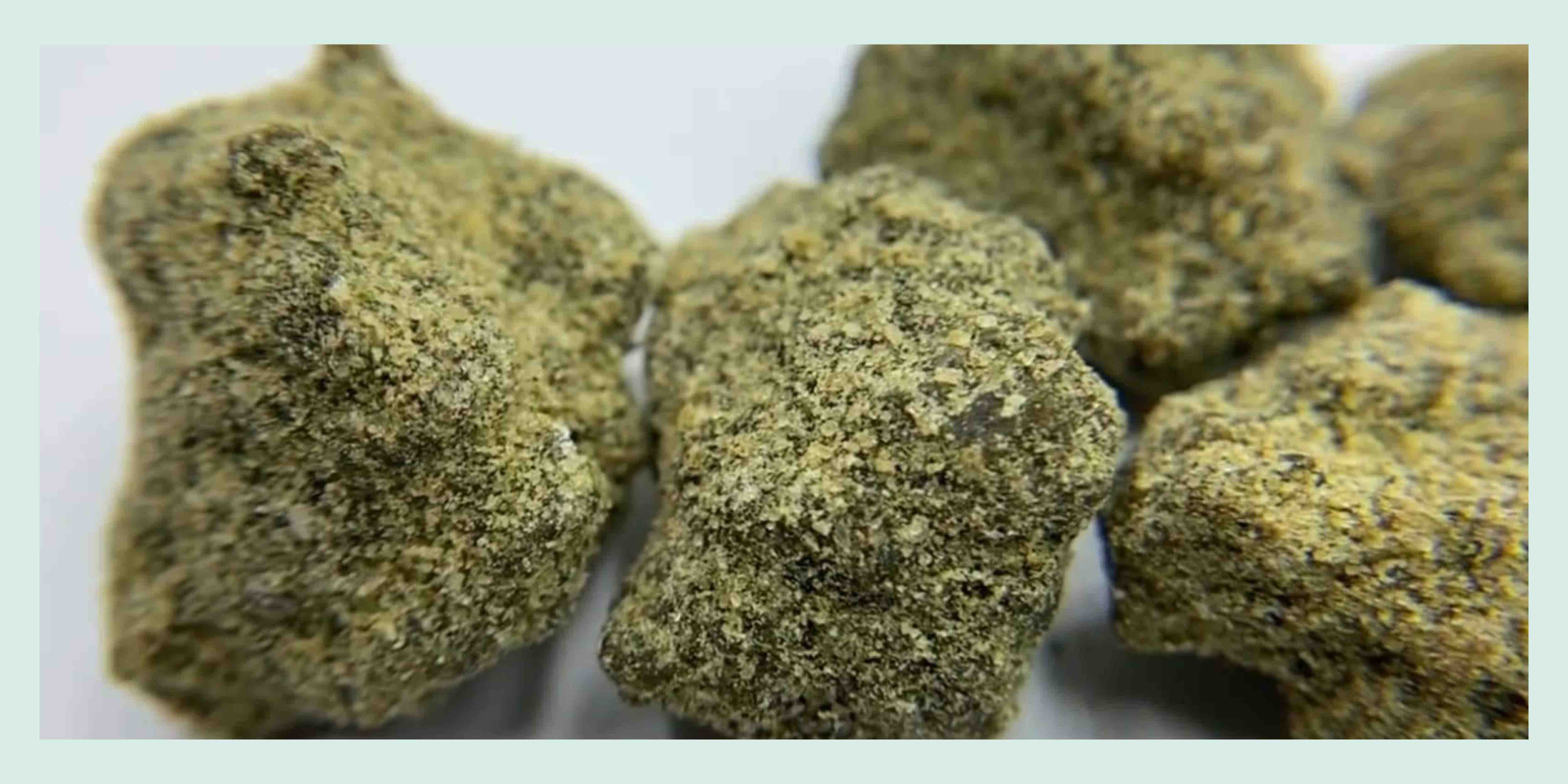
Moonrocks look like dense flower nuggets that have been coated in dark, sticky oil and rolled in a thick, fuzzy layer of golden-green kief. They feel heavy and rock-hard compared to regular buds, with a tacky, resinous exterior that makes them almost hard to break apart by hand without leaving a thick, glue-like residue behind.
Potency
Moonrocks typically contain a THC range of 45% to 65%; individual components like the oil might be higher in THC. However, the average moonrock usually tests lower because the flower core adds significant weight with a lower cannabinoid concentration.
Terpene content
Total terpene content in moonrocks usually ranges from 1% to 8%, although products made with terpene-rich extracts may test higher.
How moonrocks are made
Manufacturers make moon rocks by coating a high-THC flower bud in hash oil (concentrate) and then rolling it in kief (trichome crystals),
Here’s how it works:
First, producers select dense, high-quality cured cannabis flower as the base.
Next, they coat the flower in a concentrate such as hash oil, live rosin, or live resin, fully saturating the surface.
Finally, they roll the coated flower in kief. Kief is a collection of loose trichomes, the resin glands that contain cannabinoids and terpenes.
The result is a dense product with higher cannabinoid levels than standard flower alone and lower levels than pure concentrates.
How to use
Consumers avoid using a grinder and gently break moonrocks into small chunks with their fingers or a knife to preserve the layers. Most people place the pieces on top of a regular flower in a glass pipe or bong to help the dense material ignite and burn evenly. Slow, controlled hits help avoid clogging.
Are Concentrates Safe?
Many people use tetrahydrocannabinol (THC) concentrates without issue when they consume them responsibly and purchase products from licensed dispensaries that provide lab-tested results.
Potential risks
Cannabis extracts’ high potency is the primary safety concern. Concentrates can contain 60% to 90% THC or more, which increases the likelihood of paranoia, rapid heart rate, and dizziness, especially for inexperienced consumers who accidentally ingest too much.
Improperly manufactured concentrates can also pose a risk, as they may contain residual solvents, pesticides, heavy metals, or microbial contamination if not laboratory tested.
Improving safety with high-quality concentrates
Consumers can reduce risk by purchasing concentrates from licensed dispensaries that provide certificates of analysis (COAs) with the cannabis testing results. A COA confirms cannabinoid potency and screens for contaminants, including residual solvents, pesticides, heavy metals, and microbiological impurities.
Additionally, consumers should seek reputable brands that disclose extraction methods, batch testing results, and ingredients, enabling them to make informed decisions before use.
Bottom Line
Cannabis concentrates now span a wide spectrum of potency, texture, and production methods, giving consumers more choice than ever, but quality and testing matter at every level of that spectrum.
ACS Laboratory offers comprehensive cannabis testing panels for potency and residual solvents, along with a COA confirming the results. Reach out to learn more.
Need a Test or Have a Question
Call Us at 813-670-9197 or Click to send us a message.













.png)




.png)
.png)
.png)
.png)

