THCP's seven-carbon side chain allows it to bind to CB1 receptors much more strongly than Delta-9 THC, which may result in more potent and longer-lasting effects.
Manufacturers produce commercial THCP through chemical synthesis and refinement processes designed to create the cannabinoid's unique molecular structure.
THCP production can generate unintended cannabinoids, residual chemicals, and other impurities that require comprehensive third-party laboratory testing.
Federal and state regulators continue increasing scrutiny of intoxicating hemp cannabinoids, making potency testing, safety screening, and compliance monitoring critical for brands.
Summary: What is THCP?
THCP (tetrahydrocannabiphorol) is a highly potent cannabinoid discovered in 2019 by Italian researchers. (source) It delivers a remarkably strong, stimulating, and sometimes intense sensory experience, similar to Delta-9 THC. However, a key structural difference means that THCP can bind to brain receptors 33 times more powerfully, producing noticeably stronger psychoactive effects. (source)
Most hemp and cannabis strains do not contain THCP. As a result, Manufacturers must fully synthesize the cannabinoid to produce retail products such as vapes, distillates, and gummies. To ensure safety and compliance, manufacturers must lab test formulas with accredited third-party laboratories.
THCP vs Delta-9 THC: Understanding the Chemical Differences & Effects
THCP differs from standard Delta-9 THC due to an elongated carbon side chain that dramatically alters how the molecule interacts with the human body. Chemists classify these two compounds as homologs because they share the same chemical backbone but differ in the number of repeating units.
Traditional Delta-9 THC possesses a five-carbon alkyl side chain, whereas THCP features an extended seven-carbon chain. That small structural difference appears to significantly change how strongly the molecule binds to cannabinoid receptors in the brain.
Here's why it matters:
The longer side chain helps THCP fit more tightly into the body's CB1 receptors, which are the primary receptors responsible for THC's intoxicating effects.
Stronger CB1 binding (by roughly 33x) generally means THCP can activate the receptor more efficiently and at lower doses than THC. (source)
In practical terms, the longer side chain means THCP can cause a stronger high at lower amounts than Delta-9, have longer-lasting effects, and potentially more unwanted side effects.
Feature
Delta-9 THC
THCP
Carbon Atoms on Side Chain
5 Carbons
7 Carbons
CB1 Binding Affinity
Standard
30x Higher
Natural Abundance in Cannabis Plants
High (Primary Cannabinoid)
Trace / Negligible
Primary Production Method
Natural Plant Extraction
Synthetic Lab Conversion
Is THCP 33 Times More Potent Than Delta-9 THC?
No, THCP does not feel 33x stronger than traditional THC. Initial headlines making such a claim stem from the original 2019 Italian study published in Scientific Reports, which discovered that THCP attaches to brain receptors 33 times more effectively than Delta-9. (source)
A 33x stronger chemical attachment does not translate to a high that is 33 times more intense because the brain features a limited number of cannabinoid receptors.Once a compound fully occupies those receptors, the body experiences diminishing returns, meaning the psychoactive effects reach a natural ceiling.
So, how much stronger does THCP feel compared toDelta-9?
Consumer testimonials suggest that THCP feels roughly 5 to 10 times stronger than regular Delta-9 THC at the same milligram dosage. In other words, a 1mg to 2mg dose of THCP can mimic the impairment of a 10mg to 20mg standard THC edible.
How much longer does it last?
The most distinct characteristic cited in anecdotal reports is THCP’s extreme longevity. While a regular edible wears off in 6 to 8 hours, THCP reports consistently state that users remain noticeably high for 16 to 24 hours straight, followed by a heavy "brain fog" or "woolly-headedness" that persists for 2 to 5 days. (source)
How is Commercial THCP Manufactured?
Manufacturers produce commercial THCP through a series of chemical synthesis and refinement steps designed to create THCP's unique seven-carbon side chain.
The exact manufacturing method varies by producer.
Some start with CBD extracted from hemp, which they transform into cannabinoid intermediates, before modifying the molecule to create THCP's seven-carbon side chain.
Another method, called terpenylation, combines a seven-carbon chemical precursor with a terpene-derived compound to produce THCP.
Regardless of the method, production typically involves chemical precursors, catalysts, solvents, and other reagents that help form the final molecule. Additional purification steps remove unwanted cannabinoids, residual chemicals, and reaction byproducts before the ingredient is formulated into finished products.
Why This Creates Compliance Risks
The compliance risk begins because the manufacturing process can create unintended cannabinoids, reaction byproducts, residual reagents, and impurities alongside THCP.
Several issues can arise:
Incomplete reactions can leave behind other cannabinoids.
Chemical conversions can generate unknown compounds.
Residual solvents may remain if purification is inadequate.
Products may contain more Delta-9 THC than allowed by state or federal limits.
THCP concentrations may differ significantly from label claims.
Only third-party hemp testing can help manufacturers identify THCP potency, Delta-9 compliance, residual solvent levels, heavy metals, and the presence of unexpected impurities.
Is THCP Legal in 2026? Federal Restrictions and DEA Classifications
THCP faces an escalating series of state and federal restrictions that heavily impact its status as a legal hemp product. While brands previously utilized the 2018 Farm Bill to market these goods, updated regulatory frameworks have narrowed the compliance pathway for intoxicating analogs.
The regulatory status of THCP depends directly on its manufacturing origin and whether it aligns with state-level restrictions:
The DEA Analog Rule: The DEA maintains that cannabinoids created through artificial chemical synthesis—rather than natural plant extraction—do not qualify as legal hemp and fall under Schedule I control.
Potential Federal Ban: The 2026 Extensions Act (H.R. 5371) seeks to redefine hemp by imposing a strict 0.4 mg total THC limit per retail container and banning laboratory-created or converted cannabinoids like THCP. If enacted as proposed, the legislation could effectively remove most intoxicating hemp-derived cannabinoid products from the market beginning November 12, 2026. However, the bill remains subject to ongoing legislative debate, potential revisions, and legal challenges.
State-Level Prohibitions: A growing number of states have enacted explicit bans or severe milligram caps on all structural THC isomers, effectively outlawing THCP regardless of its hemp origin.
The Total THC Shift: Evolving state regulations increasingly mandate a "Total THC" testing standard, which combines Delta-9 concentrations with other intoxicating analogs like THCP to determine compliance.
To stay compliant, brands must focus on keeping up with changing federal rules, tracking how individual states implement these new limits, and submitting products for full-panel compliance testing.
The Importance of Lab Testing and Quantifying THCP Potency
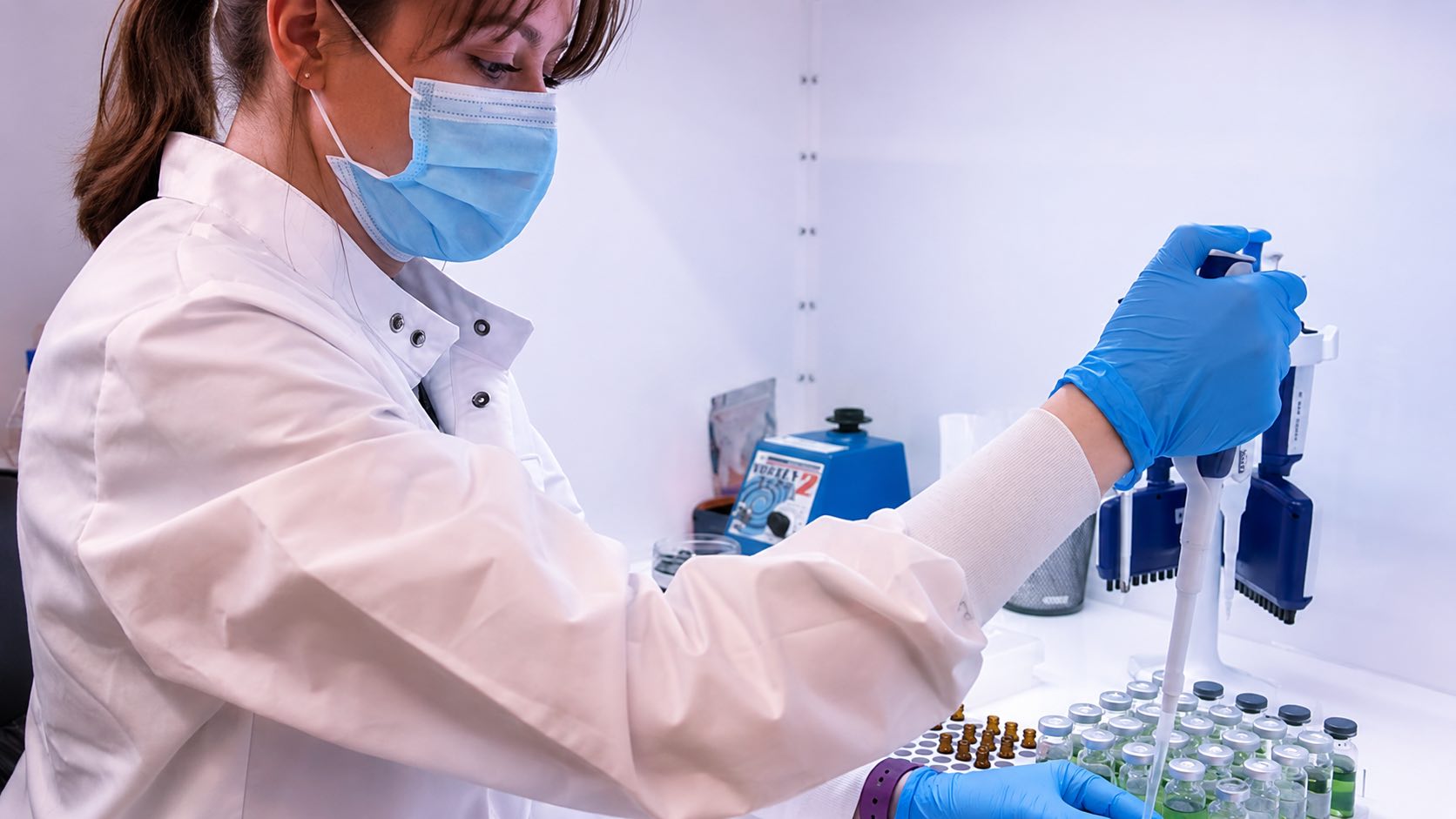
Accurate potency test results are essential because THCP's regulatory restrictions and extreme strength leave no room for labeling errors. Unfortunately, identifying and quantifying THCP is a technical challenge for standard hemp testing facilities.
Several analytical obstacles can compromise THCP testing accuracy:
The Molecular Mimic Problem: THCP shares an identical molecular weight and similar chemical structure with other THC isomers, which frequently causes standard testing instruments to misidentify the compound.
Co-Elution Errors: Low-tier laboratories often suffer from co-elution (source), meaning THCP bleeds directly into Delta-8, Delta-9, or Delta-10 on a standard test graph, resulting in wildly inaccurate potency scores.
The HPLC Separation Solution: Advanced facilities resolve this issue by using slow, highly precise High-Performance Liquid Chromatography (HPLC) methods to physically separate the molecules before measurement.
Comprehensive Panel Detection: Sophisticated laboratory testing panels can cleanly isolate and quantify individual concentrations of both Delta-8 THCP and Delta-9 THCP, ensuring a fully reliable Certificate of Analysis (COA).
National hemp testing lab, ACS Laboratory, addresses these challenges by deploying advanced High-Performance Liquid Chromatography with Ultraviolet detection (HPLC-UV) alongside Liquid Chromatography-Mass Spectrometry (LCMS) methodologies.
These slow, meticulously calibrated separation techniques physically isolate individual molecules based on their exact chemical characteristics.
Future-Proofing Your Cannabinoid Brand with ACS Laboratory
The rapidly tightening legal and chemical landscape means precise, unassailable THCP testing is a requirement for operational survival. With severe state bans expanding and federal enforcement deadlines arriving, brands must actively audit their products to keep pace with changing rules.
Partnering with an award-winning, DEA-registered facility protects your business from compliance failures, fines, and customer safety risks.
Contact ACS Laboratory today to schedule your potency and safety testing panels and secure a definitive Certificate of Analysis (COA) that keeps your brand compliant.
FAQs About THCP
Is THCP safe?
THCP can be safe when manufactured responsibly and taken at appropriate dosages. However, clinical literature has documented adverse psychiatric events due to the compound’s potent psychoactive effects. Medical journals have published case studies detailing incidents of psychosis and suicidality tied to single uses of THCP. (source)
Does THCP show up on a drug test?
It can. Standard workplace drug screenings test for THC metabolites rather than specific plant variants. Because THCP breaks down into similar metabolic byproducts as traditional Delta-9 THC, using THCP products will highly likely trigger a positive result on a standard immunoassay drug test.
What is the difference between Delta-8 THCP and Delta-9 THCP?
The difference lies in the placement of a double bond within the chemical structure. Delta-9 THCP mirrors the arrangement of traditional cannabis and delivers a highly intense, stimulating high. Delta-8 THCP features a shifted double bond that generally provides a more relaxed, body-focused experience.
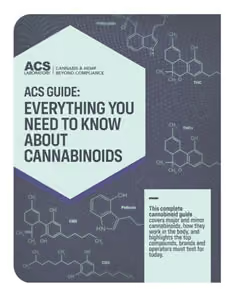
ACS Cannabinoids Guide
This complete cannabinoid guide covers major and minor cannabinoids, how they work in the body, and highlights the top compounds brands and operators must test for today.
Get the Guide
Need a Test or Have a Question
Call Us at 813-670-9197 or Click to send us a message.













.png)

.jpg)

.png)
.png)
.png)
.png)

