THC tells only part of the story. Flavonoid testing reveals another layer of cannabis chemistry that sets products apart.
Flavonoid testing supports product development across flower, oils, concentrates, and edibles by helping brands refine color, taste, composition, and overall product positioning.
Verified flavonoid data can strengthen Certificates of Analysis and give retailers, formulators, and consumers more complete product information.
ACS Laboratory tests for 16 flavonoids, including cannflavins A, B, and C, using sensitive LC-MS/MS technology.
At-a-Glance Summary
Flavonoid testing gives brands a more complete picture of their product's chemical composition beyond cannabinoids and terpenes. This additional data helps brands compare strainse, monitor product consistency, and support research and product development with greater precision.
A comprehensive flavonoid profile also strengthens Certificates of Analysis by providing retailers and consumers with deeper insight into product quality and transparency.
What Are Flavonoids in Cannabis and Hemp?
Flavonoids are naturally occurring phytonutrients found throughout the plant kingdom. Scientists have identified more than 8,000 flavonoids across fruits, vegetables, herbs, and botanicals (source), and at least 20 occur in cannabis.
These compounds support plant health by protecting against ultraviolet (UV) light, bacteria, fungi, and environmental stress.
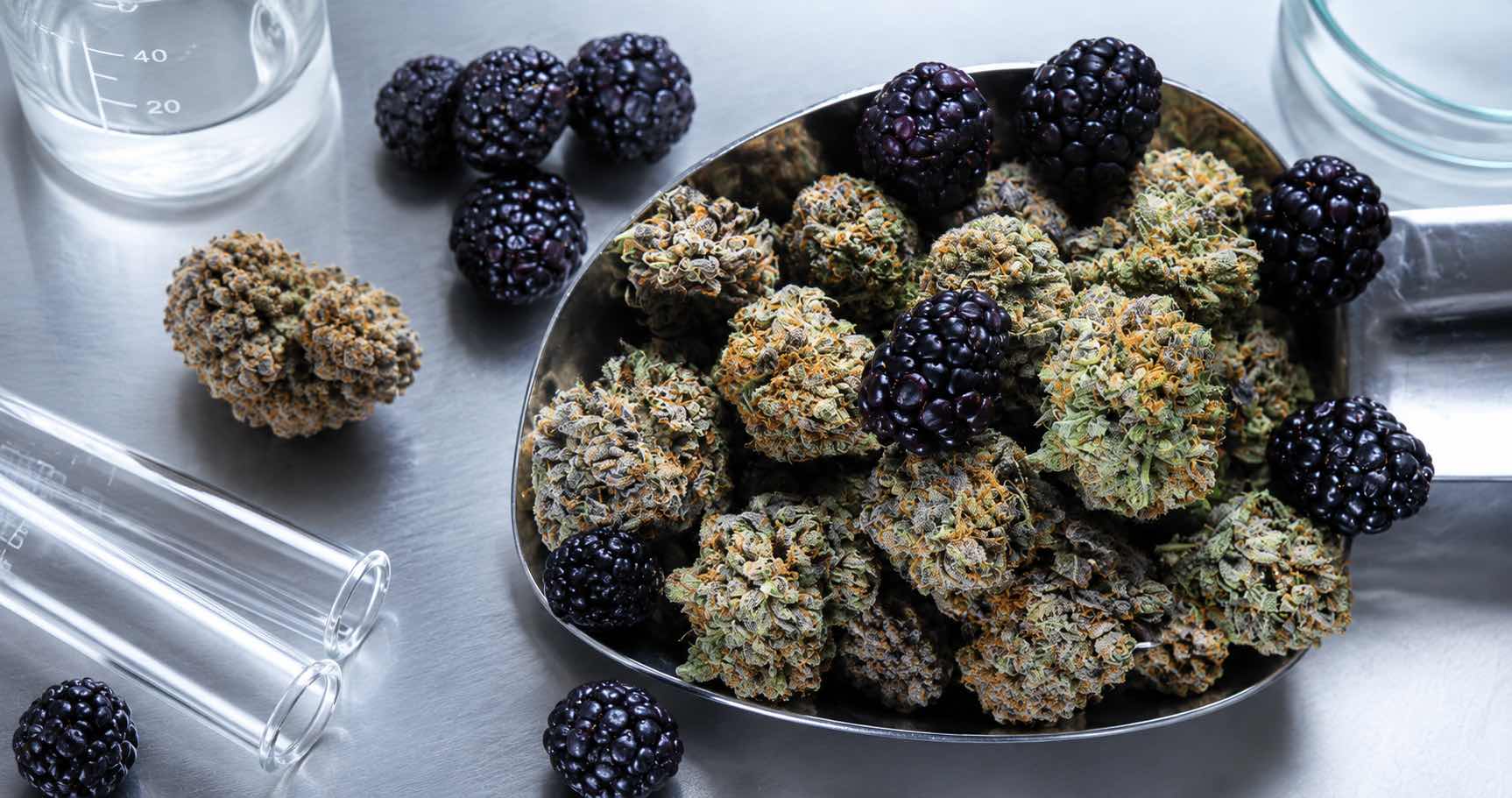
Flavonoids also influence how a finished product looks, smells, and tastes. They are responsible for the deep purples, bright greens, or subtle golden hues in flower.
Why Flavonoid Testing Matters
Flavonoid testing matters because the results paint a complete picture of how cannabis products look, smell, taste, and perform chemically.
Flavonoids work alongside cannabinoids, like THC, and terpenes, like limonene, in what researchers describe as the “entourage effect.” (source) This concept explains how multiple plant compounds interact to influence overall sensory experience and potential wellness benefits.
Different cultivars (strains) contain unique ratios of cannabinoids, terps, and flavonoids, which can shape how consumers perceive the product.
Flavonoid testing also supports product innovation. Manufacturers developing derivative products and edibles can use flavonoid data to refine taste, color, and overall experience.
ACS Laboratory’s Flavonoid Profiling
ACS Laboratory offers flavonoid profiling for flower, plants, oils, concentrates, and edibles. The panel detects 16 flavonoids using liquid chromatography-tandem mass spectrometry (LC-MS/MS), a highly sensitive analytical method for identifying and quantifying compounds at precise levels.
Common flavonoids, such as quercetin and apigenin, plus cannabis-associated compounds called cannflavins, are linked to several therapeutic benefits. The strongest current evidence supports anti-inflammatory potential. However, most cannabis-specific flavonoid research remains preclinical.
Anti-inflammatory activity:
Laboratory studies suggest cannflavins A and B may reduce the production of prostaglandins and inflammatory cytokines, molecules that drive pain, swelling, and inflammation. Early research found cannflavins were about 30 times more potent than aspirin at blocking prostaglandin production in laboratory models. More recent studies also found cannflavin A reduced inflammatory signaling from human immune cells. (source; source)
Antioxidant protection:
Flavonoids help protect cells from oxidative stress by neutralizing unstable molecules called free radicals before they can damage cells. (repeated source; source)
Potential neuroprotective effects:
Early research suggests cannabis flavonoids may help protect nerve cells by reducing inflammation and oxidative stress in the nervous system. [repeated source; repeated source)
Potential pain-related activity:
Cannflavins influence inflammatory pathways involved in pain signaling. Researchers believe this mechanism could support pain management. However, clinical studies have not yet demonstrated pain-relieving effects in humans. (repeated source)
Possible anticancer activity:
Laboratory and animal studies suggest certain cannabis flavonoids may slow the growth of some cancer cells and influence pathways involved in cell survival. Researchers have not demonstrated these effects in human clinical trials. (repeated source)
Elevate Product Profiles with Flavonoids Testing
Complete product characterization starts with understanding more than cannabinoids and terpenes. Flavonoid testing helps brands showcase the full complexity of their products through verified laboratory data. ACS Laboratory provides the scientific precision and trusted results brands need to stand out in a competitive market.
Visit acslab.com and contact the team to learn how ACS Laboratory’s flavonoid testing can elevate your product profile and strengthen consumer trust.
Need a Test or Have a Question
Call Us at 813-670-9197 or Click to send us a message.


















.png)



.png)
.png)
.png)
.png)

