THCA flower has been a rising star in the hemp market since the 2018 Farm Bill was passed. Today, many consumers prefer THCA flower over other alternative hemp-derived cannabinoids because it is typically free from synthetic chemicals and mimics the traditional cannabis smoking experience. Yet, THCA is not without potential safety risks. Additionally, the compound’s future is uncertain due to a new federal hemp ban that takes effect next year.
Here, we review THCA (tetrahydrocannabinolic acid) and THCA hemp flower, including their effects, lab testing protocols, and evolving regulatory status.
What Is THCA?
What Is THCA? Think of THCA as "raw" THC. It is a natural cannabinoid found in the fresh hemp and cannabis plant. Scientifically, it is the precursor (or parent) to THC. On its own, THCA is non-psychoactive, meaning it won't produce a "high" if you eat it raw. However, when it is exposed to heat—like from a lighter or a vaporizer—it activates and converts into the potent THC you are familiar with.
Does THCA get people high?
THCA does not possess psychoactive properties in its natural state. The molecular structure of THCA prevents it from binding to the brain receptors associated with producing a feeling of being high. However, this applies only when THCA is consumed raw, such as by juicing freshly harvested cannabis.
THCA vs. THC: A Molecular Distinction
THC and THCA are tetrahydrocannabinol cannabinoids that look nearly identical. But they have one critical difference. The THCA chemical possesses an acidic tail known as a carboxyl group (COOH). This extra group gives THCA a larger, more complex three-dimensional shape.
This difference shapes their effects.
In its acidic form, THCA cannot easily cross the blood-brain barrier, so it cannot easily reach the brain regions that cause intoxication. However, when heat is applied, THCA loses this carboxyl group and converts into the smaller, less polar version known as THC. This allows it to enter the brain easily, where it activates endocannabinoid receptors (CB1) and produces psychoactive effects such as euphoria and sensory shifts.
How THCA Converts to THC: The "Decarb" Process
THCA converts into psychoactive THC through a process called "decarboxylation," or decarb, a chemical reaction triggered primarily by heat or light. This reaction alters the molecule’s structure, activating the intoxicating effects associated with cannabis.
The catalysts:
Environmental: Elements such as UV light, oxygen, and time will slowly convert THCA to THC as the plant dries.
Thermal: Intense heat (from a lighter or oven) is the most efficient catalyst, instantly converting remaining THCA into potent THC.
THCA Therapeutic Effects
THCA shares many of THC’s therapeutic qualities. But the extra carboxyl group in THC-A results in different interactions with the human body. As a result, THCA shares several wellness benefits in common with CBD, marijuana’s other widely known cannabinoid.
Research shows that “raw’ (aka unsmoked, unheated) THCA has promise for multiple health benefits and medical uses:
It Fights Inflammation and Calms the Immune System.
THCA acts as a powerful anti-inflammatory. Research shows that it soothes swelling and helps regulate the immune system, making it potentially useful for conditions such as arthritis and asthma.
It Protects the Brain and May Help Stop Seizures.
Studies suggest THCA protects brain cells from damage. It shows promise in slowing down memory loss associated with Alzheimer’s disease and Huntington’s disease. It also helps regulate brain signals, which could treat pain and epilepsy, though research indicates it might work best for seizures when a tiny amount of THC is also present.
It Boosts Metabolism and Liver Health
In animal studies, THCA actively burns body fat and helps the body process sugar more effectively. It also prevents the liver from building up dangerous fat and scar tissue. These findings suggest THCA could help people manage weight issues and prevent liver disease.
It Attacks Cancer Cells
Early lab research indicates that THCA slows down the growth of tumors. It has demonstrated the ability to stop cancer cells from spreading, showing particular promise in combating challenging conditions like pancreatic cancer.
How Do People Consume THCA?
Consumers ingest THCA using two distinct methods, depending on whether they want the raw therapeutic effects or desire the classic "high" experience.
Raw Consumption (Therapeutic; Non-Psychoactive)
Some people consume hemp plants raw and unheated to maximize THCA’s therapeutic potential. Wellness enthusiasts often juice fresh leaves, blend raw hemp flowers into smoothies, or take cold-pressed tinctures. These methods keep the molecule stable as THCA, allowing the body to process the cannabinoid for its potential wellness properties without triggering a psychoactive response.
Heated Consumption (Psychoactive)
Alternatively, those seeking a psychoactive experience apply heat to the plant. When a person smokes high-THCA hemp flower, vapes, or dabs concentrates like "diamonds," they instantly trigger decarboxylation. This intense heat converts the non-intoxicating THCA into potent Delta-9 THC the moment it enters the lungs.
What Is THCA Flower?
THCA flower refers to smokeable hemp buds that contain high levels of tetrahydrocannabinolic acid (up to 25%) while maintaining less than 0.3% Delta-9 THC by dry weight. These high-potency products are sometimes classified as compliant with the 2018 Farm Bill because federal law (until recently) specifically limits Delta-9 THC to 0.3% (not THCA).
Visual and Sensory Profile (The Experience)
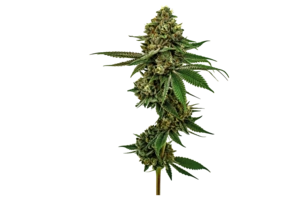
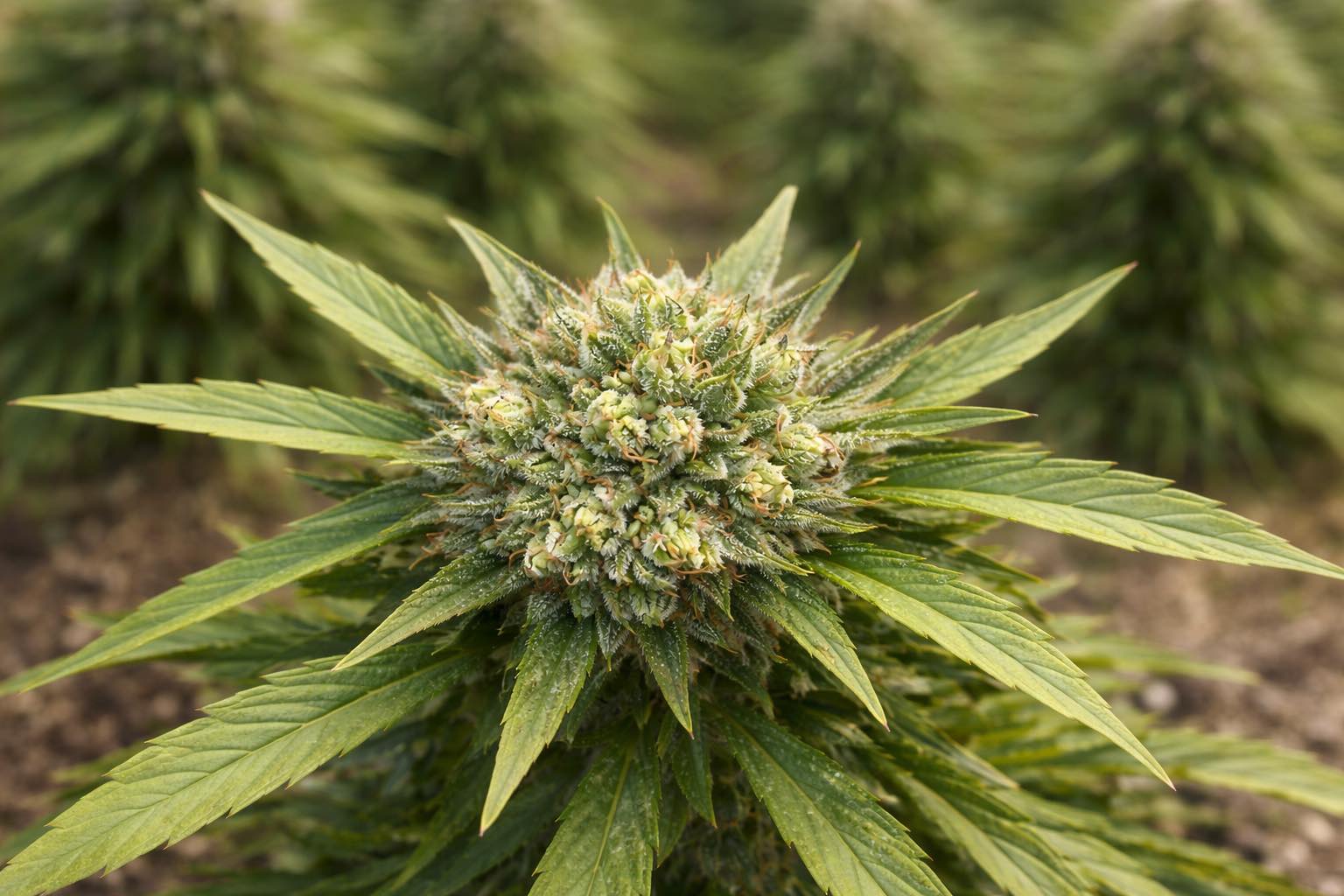
To the naked eye, THCA hemp flower is indistinguishable from the cannabis sold in state-regulated dispensaries. It shares the same:
dense bud structure
aromatic terpene profiles
frost-like coating of trichomes (resin glands).
This similarity exists because hemp and cannabis are the same plant species; the distinction lies primarily in how the plant is harvested and tested to ensure it fits within the legal definition of hemp.
The "Loophole" Mechanism
Consumers purchase THCA flower because it functions as "potential" THC. On the shelf, the product can be federally compliant and non-intoxicating. However, the moment a person lights or vaporizes the flower, the heat triggers the decarboxylation process. This process instantly raises the Delta 9 levels and transforms the product into a potentially illicit substance.
Is THCA Flower Safe?
THCA products carry potential safety risks, but brands can address many of them through proper hemp testing and transparent labeling.
Unregulated THCA flower, concentrates, and edibles often appear in marketplaces without clear oversight, which makes it difficult for consumers to confirm what they are actually buying. Media investigations have found mislabeled hemp products with undeclared THC or inconsistent THCA levels, creating dosing uncertainty and potential compliance issues once THCA converts to THC through heat.
Contamination also remains a concern. Academic reviews further show that hemp can absorb pesticides and metals from soil and that poorly controlled extraction can leave behind chemical residues. These risks apply to THCA products because they follow the same cultivation and processing pathways.
Potency inconsistency adds another challenge. A 2022 analysis of 53 hemp samples found that 49 tested above the Farm Bill threshold once THCA was accounted for, highlighting how variable and unpredictable these products can be. Without verified potency testing, consumers may receive doses that are either stronger or weaker than expected.
Industry experts have historically argued that the legality of THCA flower hinges on a specific interpretation of the 2018 Farm Bill. Under the Bill, hemp is defined strictly by its concentration of delta-9 THC, which must not exceed 0.3% on a dry weight basis. The law today does not explicitly limit THCA (tetrahydrocannabinolic acid).
Consequently, producers believe that if hemp flower passes its pre-harvest lab test for compliance, the resulting THCA-rich flower is federally allowed.
Arguments Against Legality
Critics and federal opponents have argued that the language on total THC is a loophole that does not reflect "congressional intent" when the 2018 Farm Bill was written.
Functional Equivalence: Opponents argue that because THCA becomes delta-9 THC upon combustion, treating it as hemp elevates technical data over real-world effects, making it "marijuana by another name".
FDA Stance: The FDA maintains that hemp cannabinoids, including CBD, are not approved for human consumption, though this objection typically relates to food and drug safety rather than the Controlled Substances Act.
The Future Reality: Federal Hemp Ban
On November 13, 2025, opponents won their case after President Donald Trump signed a federal funding package explicitly closing the "THCA loophole." The Continuing Appropriations, Agriculture, Legislative Branch, Military Construction, Veterans Affairs, and Extensions Act of 2026 establishes a new, rigorous national definition of hemp.
Total THC Standard: The new law expands hemp’s definition to include "total tetrahydrocannabinols concentration to include tetrahydrocannabinolic acid" in the 0.3% limit.
The "0.4 Milligram" Cap: In a move that disqualifies nearly all current THCA flower and vapes, the law excludes any final product containing more than 0.4 milligrams of total intoxicating cannabinoids per container. To put this in perspective, a single gram of THCA flower often contains about 200mg of Total THC—500 times the new legal limit.
The "Zombie" Year: Transition & Reversal Efforts
The legislation includes a one-year transition period, meaning enforcement is scheduled to begin in November 2026.
Industry Response: Trade groups have adopted the mantra "365 days to regulate, not ban," hoping to push a new regulatory framework (like Rep. Morgan Griffith's proposal) before the deadline.
Political Pushback: Senator Rand Paul has announced plans to file a bill to overturn the ban, arguing it undermines state autonomy and destroys a $25 billion industry. His "end-run" proposal aims to let state regulations supersede this new federal prohibition.
Lab Testing & Compliance (From Today to the New Federal Standard)
Under the 2018 Farm Bill (today’s current framework), the only critical hemp test is the pre-harvest compliance check. Once a crop passes that test, there are no federal requirements to test the finished flower for THC or THCA levels.
However, several states regulate final hemp products, which include strict THCA testing rules:
Tennessee: Enacted strict rules requiring "final form" products to undergo Total THC testing, and explicitly banned THCA. Some businesses will be allowed to continue selling flower until June 20, 2026.
California: Implemented emergency regulations that prohibit any hemp product with detectable levels of THC or other intoxicating cannabinoids, moving far beyond the federal "0.3%" standard.
Florida: Recently updated Rule 5K-4.034 to enforce strict safety standards and child-resistant packaging, while mandating a 21+ age requirement for all ingestible hemp products. Florida includes THCA in its “total delta-9 THC” calculation, meaning most high-THCA flower far exceeds the 0.3% limit even if delta-9 THC alone appears compliant. As a result, Florida treats most smokable THCA flower as impermissible for inhalation.
Utah: Enacted a ban on all "chemically converted" cannabinoids (like Delta-8), while requiring rigorous plant and final product testing to ensure they contain less than 0.3% combined THC and THC analogs.
Colorado: Established a framework that limits the sale of intoxicating hemp products, requiring rigorous testing to ensure finished goods do not exceed safety thresholds for "intoxicating" cannabinoids.
Testing THCA Under the New Cannabinoid Calculation
The 2025 hemp law fundamentally changes this norm of patchwork regulations by mandating that all states regulate the "Final Hemp-Derived Cannabinoid Product" in accordance with the new total cannabinoid rule.
That means starting in November 2026, hemp producers nationwide must submit their final products for potency testing.
These analyses must account for the conversion of THCA in the total cannabinoid content, along with “any other cannabinoids that have similar effects.”
Hemp Potency Testing Changes
The "Total THC" Equation I
Labs will not be able to report Delta-9 THC potency in isolation once this bill goes into effect. To align with the bill’s language, testing protocols will likely require the "post-decarboxylation" formula: Total THC = (Delta-9 THC) + (THCA).
Under this interpretation, if the combined number exceeds 0.3% in the biomass or the strict milligram limits in the final product, the batch will fail to comply.
The 0.4 Milligram "Per Container" Limit
The most drastic potential change for lab testing may be the shift from percentage-based limits to a fixed 0.4 milligram cannabinoid cap for finished goods.
Laboratories may soon need to calculate the total mass of THC in the entire retail package—not just per serving or per gram. This means a passing COA would likely require the lab to know the specific dimensions of the "innermost wrapping" or "vessel."
However, the FDA has a 90-day window to define what constitutes a "container," which will ultimately determine how strictly this cap applies to multi-serving packages versus single items.
Bottom Line
THCA flower offers consumers a familiar cannabis-like experience and meaningful therapeutic potential, but its safety and legality depend on state and federal rules, verified testing, accurate labeling, and full transparency. With a new federal hemp ban poised to reshape the market, brands that prioritize compliance today will be best positioned to adapt tomorrow.
Explore ACS Laboratory’s hemp testing solutions to stay compliant and confidently navigate the changing regulatory landscape.
FAQs about THCA
What are the benefits of THCA? THCA exhibits neuroprotective effects, meaning it protects the brain. It also possesses potent anti-inflammatory properties, has the potential to slow down the growth of cancer cells, stimulates appetite, reduces nausea, and may provide relief for seizure disorders.
How does THCA differ from CBD? CBD (cannabidiol) is another major cannabinoid found in cannabis and hemp plants. Structurally, CBD and THCA are completely distinct compounds. However, THCA shares several similarities with CBD. Neither THCA nor CBD binds well with cannabinoid receptors in the brain, making them both non-psychoactive. Additionally, they both offer benefits for inflammation and seizure disorders.
Does THCA transform into THC when smoked? Yes. Smoking provides sufficient heat to convert a significant portion of THCA in a product into regular THC.
How does THCA affect the brain? THCA does not bind to brain receptors like THC unless it undergoes decarboxylation. However, THCA does exhibit neuroprotective properties that may have potential in the prevention and treatment of conditions such as Alzheimer's, Parkinson's, and Huntington's.
ACS Cannabinoids Guide
This complete cannabinoid guide covers major and minor cannabinoids, how they work in the body, and highlights the top compounds brands and operators must test for today.
Get the Guide
Need a Test or Have a Question
Call Us at 813-670-9197 or Click to send us a message.













.png)


.jpg)
.png)
.png)
.png)
.png)

