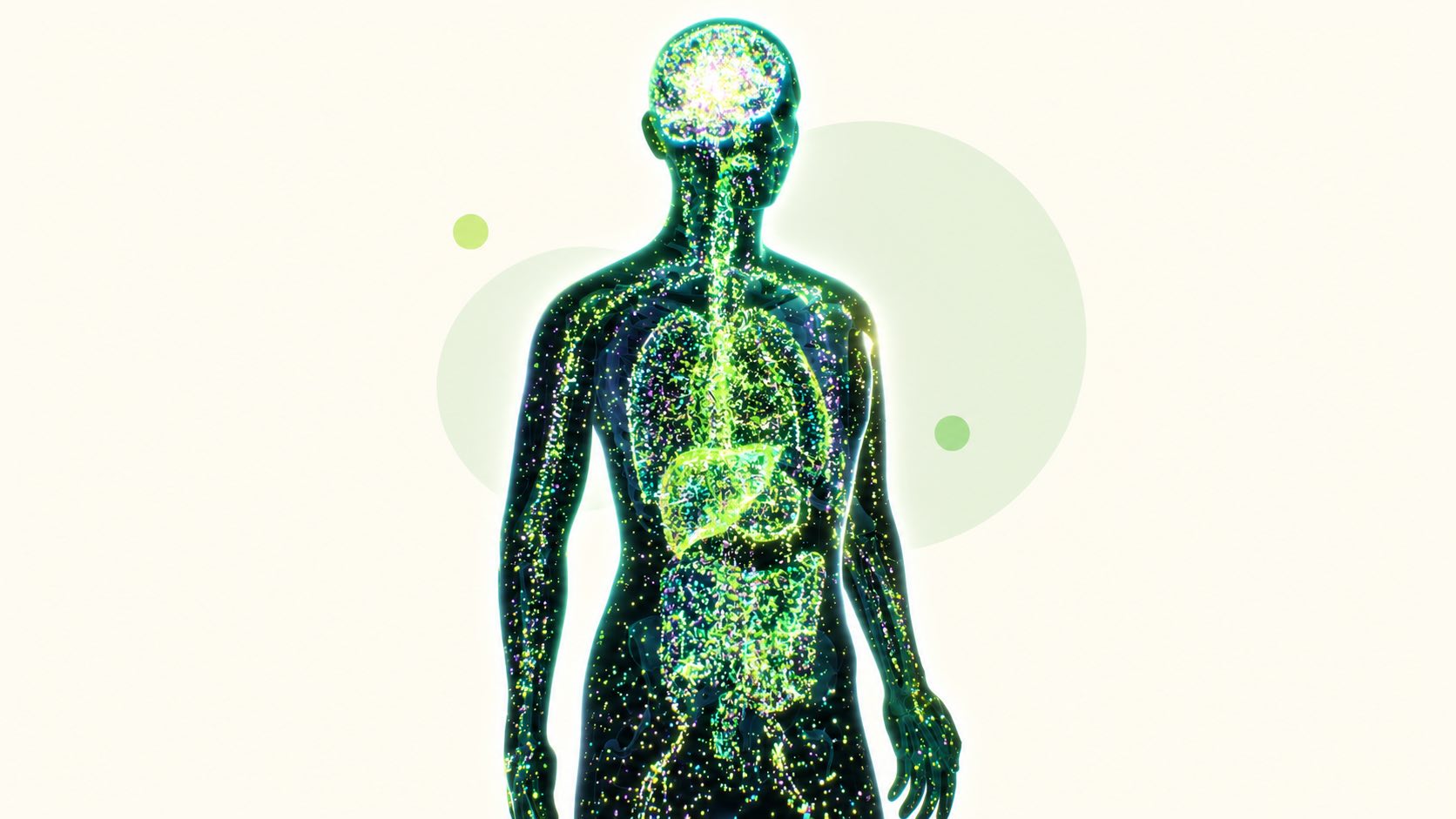
The endocannabinoid system (ECS) is a cell-signaling network found in all vertebrates, including humans. It helps keep body processes in balance.
It has three parts: endocannabinoids the body makes (anandamide and 2-AG), cannabinoid receptors (CB1 and CB2), and enzymes that break endocannabinoids down.
CB1 receptors are concentrated in the brain and central nervous system, while CB2 receptors are found mainly in immune cells and peripheral tissues.
THC binds directly to CB1 and CB2. CBD works indirectly and has no dedicated "CBD receptor."
Products interact with the ECS only as intended if their cannabinoid content matches the label, making potency testing essential.
What Is the ECS? The Short Answer
The endocannabinoid system (ECS) is a network of receptors, enzymes, and signaling molecules that helps regulate processes like mood, appetite, sleep, memory, and immune response. The body produces its own signaling molecules, called endocannabinoids, to support these processes. Cannabis compounds like THC and CBD also interact with the ECS to influence how the body feels and functions.
Scientists discovered the ECS while trying to understand how cannabis affects the body. That's how it got its name. Today, it's one of the most studied communication systems in modern pharmacology.
This guide covers how the ECS works, from its signals and receptors to where cannabinoids fit in, and why accurate potency testing ties it all together.
What Is the Endocannabinoid System?
The endocannabinoid system (ECS) is a communication network that helps cells adjust their activity to maintain homeostasis, or internal balance. It helps regulate food intake, metabolism, energy expenditure, mood, stress response, and immune function. Cannabis compounds like THC and CBD interact with this same system.
The ECS relies on messages, receivers, and a means of ending communication. Three key components make this possible:
Endocannabinoids: Chemical messengers produced by the body, primarily anandamide (AEA) and 2-arachidonoylglycerol (2-AG).
Cannabinoid receptors: Proteins on cell surfaces, primarily CB1 and CB2, that receive endocannabinoid signals.
Enzymes: Proteins that break down endocannabinoids after they deliver their messages, including FAAH (fatty acid amide hydrolase) and MAGL (monoacylglycerol lipase).
Here's how these components work together.
The body produces anandamide and 2-AG, which bind to CB1 and CB2 receptors, triggering changes in cellular activity. These signals influence the release of other chemical messengers. Once the signals have served their purpose, FAAH breaks down anandamide, and MAGL breaks down 2-AG.
THC binds to CB1 receptors to deliver its intoxicating effects. CBD and CBG influence ECS signaling through other mechanisms.
Why Is It Called the Endocannabinoid System, and When Was It Discovered?
1964: Raphael Mechoulam and Yehiel Gaoni identify the structure of THC.
1988: Allyn Howlett's lab shows cannabinoids act through a specific receptor.
1990: The CB1 receptor is cloned and mapped in the brain.
1992: Mechoulam's lab identifies anandamide, the first endocannabinoid.
1993: The CB2 receptor is cloned and found mainly on immune cells.
1995: A second endocannabinoid, 2-AG, is discovered.
So, is the endocannabinoid system real? Yes. It's documented in decades of peer-reviewed research. It just isn't taught as widely as the nervous or immune systems, which is why many people have never heard of it.
What Are Endocannabinoids?
Endocannabinoids are lipid-based signaling molecules, known as neurotransmitters, that the body produces naturally. The two best-studied are anandamide and 2-AG. Both bind to CB1 and CB2 receptors to adjust how cells communicate.
Anandamide has a memorable origin story. Its name comes from the Sanskrit word ananda, meaning "bliss". The name reflects anandamide's role in regulating mood, pleasure, and reward, which earned it the nickname the "bliss molecule."
CB1 and CB2 are the two main cannabinoid receptors in the human body. They are G protein-coupled receptors, proteins on the cell surface that receive chemical signals. Endocannabinoids bind to them, and so do plant cannabinoids like THC.
CB1 receptors are concentrated in the brain and central nervous system. They're found in areas tied to motor control, emotional responses, motivated behavior, and energy balance. CB1 also appears in peripheral tissues, including fat, liver, the gut, muscle, and the heart. THC binds to and activates CB1 receptors in the brain, producing its intoxicating effects.
CB2 receptors are found mainly in the immune system, where they help regulate immune function. Smaller numbers have also been detected in the central nervous system.
CB1
CB2
Main location
Brain and central nervous system
Immune cells and peripheral tissues
Also found in
Fat, liver, gut, muscle, heart
Some brain cells
Associated with
Mood, memory, movement, appetite
Immune response, inflammation signaling
THC binding
Yes, drives intoxicating effects
Yes, with lower efficacy
How Does the Endocannabinoid System Work?
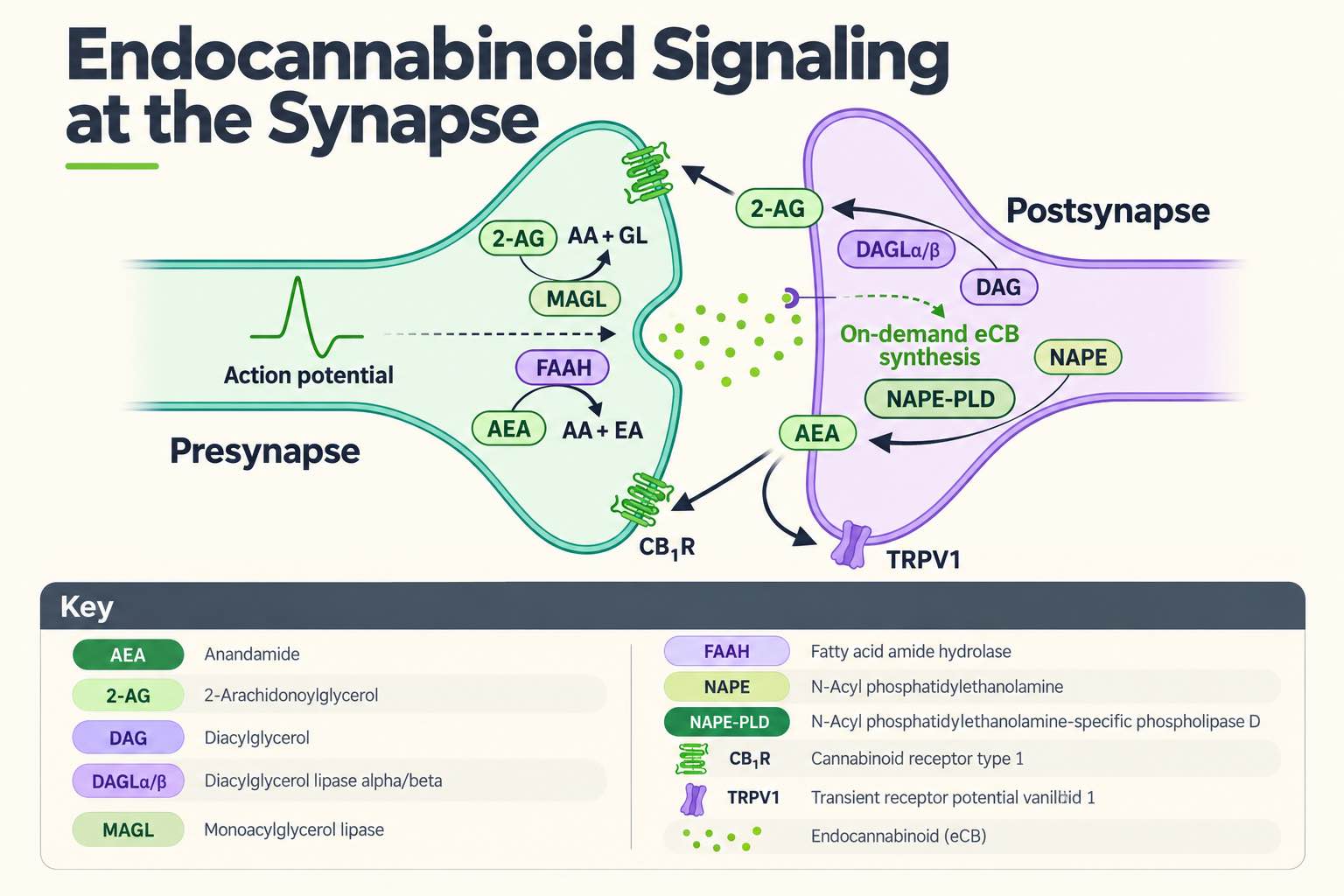
The ECS works through a unique process called retrograde signaling. Most nerve signals travel forward, from one neuron to the next. Endocannabinoids travel backward, allowing the receiving neuron to signal the sending neuron to ease off releasing more neurotransmitters.
Here's how it plays out with pain relief as an example:
Trigger: Tissue injury or pain prompts a receiving cell to make endocannabinoids (like Anandamide or 2-AG).
Backward Travel: The endocannabinoids travel backward across the synapse to the sending neuron.
CB1 Binding: They attach to CB1 receptors on the sending neuron.
Reduced Neurotransmitter Release: Binding blocks calcium from entering, which stops the cell from releasing pain-signaling chemical messengers (like glutamate or Substance P).
Calming the Circuit: With fewer pain signals being sent, the pain message reaching the brain is weakened, bringing the circuit back into balance.
Breakdown: Specialized enzymes (FAAH and MAGL) quickly break down the endocannabinoids to end the signal.
AI-generated image adapted from Martínez-Aguirre et. al. (2022)
How Do THC and CBD Interact With the Endocannabinoid System?
THC and CBD both interact with the ECS in different ways.
What receptors does THC bind to?
THC binds directly to both CB1 and CB2 receptors, similar to endocannabinoids. It's a partial agonist at both, meaning it activates them, but less strongly than some anandamides can. THC's action at CB1 receptors in the brain is what produces its intoxicating, appetite-stimulating, and pain-relieving effects.
Are there CBD receptors?
No. There's no dedicated "CBD receptor" in the body. CBD binds weakly to CB1 and CB2 and acts mostly indirectly. One study found that CBD works as a negative allosteric modulator of CB1. In plain terms, it changes the receptor's shape so that other compounds, including THC and 2-AG, activate it less. CBD also interacts with several targets outside the ECS, which researchers are still mapping.
Why do humans have cannabinoid receptors?
Not because of cannabis. The receptors exist for the body's own endocannabinoids. CB1- and CB2-type receptors occur throughout the vertebrates, and their origins predate humans by hundreds of millions of years. Plant cannabinoids just happen to fit the same locks.
Why Cannabinoid Testing Matters for Products That Interact With the ECS
The ECS responds to specific compounds in specific amounts. THC directly activates CB1, while CBD can dampen that activation. A product with more THC than its label says, or less CBD, delivers a different experience than the consumer expects.
That's why third-party testing matters. An accredited lab can verify:
Potency: THC, THCA, CBD, and minor cannabinoids like CBG and CBN.
Total THC: the figure that determines whether a hemp product is legally hemp.
Contaminants: pesticides, heavy metals, residual solvents, mycotoxins, and microbials.
Compliance is also changing fast. Under a 2025 federal law, proposed to take effect November 12, 2026, hemp is defined by total THC, including THCA, at no more than 0.3% on a dry weight basis. Finished products are also capped at 0.4 mg of total THC per container. Accurate testing is now the difference between a compliant product and a federally impermissible one.
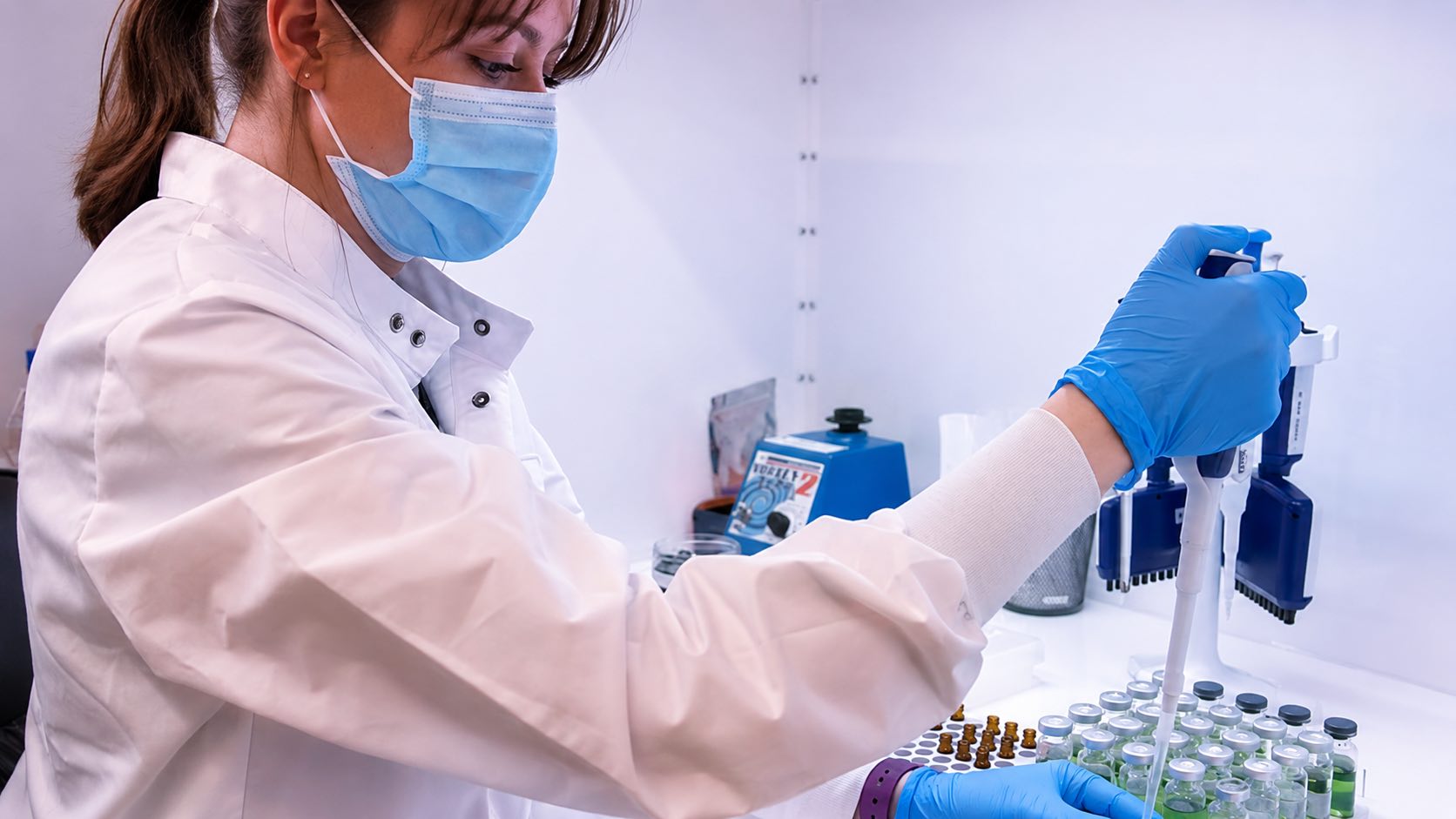
ACS Laboratory is ISO/IEC 17025:2017 accredited and provides a detailed Certificate of Analysis (COA) with its test results. Brands and consumers can see exactly what a product contains.
No. Your body produces endocannabinoids like anandamide, which activate the same CB1 receptor THC does. They're different molecules with similar targets.
Throughout the body. CB1 receptors are concentrated in the brain and nervous system, but also occur in organs such as the liver and gut. CB2 receptors are found mainly in immune cells.
The endocannabinoid system is the body's built-in balancing network. Endocannabinoids, CB1 and CB2 receptors, and their enzymes work together to keep cell signaling in check. THC, CBD, and other cannabinoids interact with this system in different ways, which is why what's actually in a product matters as much as what's on the label.
Partner with ACS Laboratory, a Smithers company, for precise cannabinoid potency testing that verifies product contents, supports label accuracy, and builds consumer trust.
ACS Cannabinoids Guide
This complete cannabinoid guide covers major and minor cannabinoids, how they work in the body, and highlights the top compounds brands and operators must test for today.
Get the Guide
Need a Test or Have a Question
Call Us at 813-670-9197 or Click to send us a message.