Florida Hemp Testing
(Compliance, Safety & COAs)

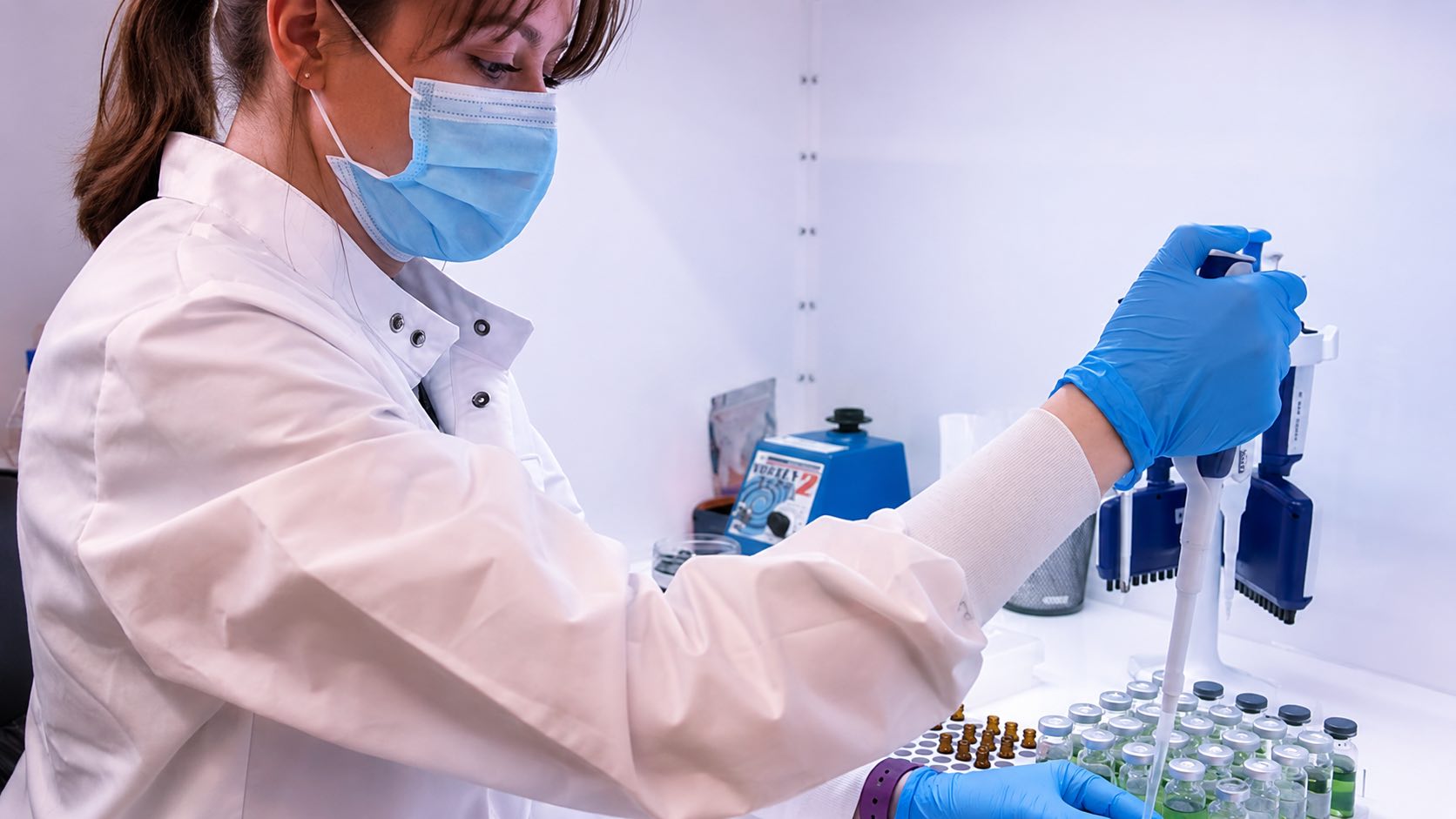
ACS Laboratory is a leading hemp testing laboratory, designated by the Florida Department of Agriculture & Consumer Services (FDACS) to test pre-harvest plants and finished products. Florida growers and hemp producers can send flower, extract, and edible samples through a simple process that ensures accurate and timely results.

Florida Pre-Harvest Hemp Testing (THC)

Florida hemp growers can have their hemp clipping samples picked up for FDACS-compliant pre-harvest hemp testing to verify total delta-9 THC levels below 0.3%.

Our ISO/IEC 17025:2017 A2LA-accredited methods ensure crops meet state and federal standards.

Final Product Testing (Potency & Contaminants)

Hemp brands and retailers can test hemp extracts and finished goods for potency, safety, and purity under Florida’s hemp extract rule (5K-4.034 F.A.C.).

ACS provides certified results and Certificates of Analysis (COAs) for statewide retail sales.

Florida Compliance Testing for Hemp Flower, Extracts & Inhalables

Hemp brands and retailers in Florida are required to verify the potency, purity, and labeling accuracy of their products under FDACS rules. ACS Laboratory ensures every extract, inhalable, and flower product meets state safety, packaging, and COA requirements for compliant retail sale.

01

Cannabinoid Potency

Matrix: Flower & Plants, Derivative Products, and Edibles.

ACS laboratory tests MMTC cannabis for 11 cannabinoids per OMMU requirements.

02

Pesticides

Matrix: Flower & Plants, Derivative Products, and Edibles.

Compliance testing at ACS Laboratory includes Florida’s 68 mandated pesticides.

03

Mycotoxins

Matrix: Flower & Plants, Derivative Products, and Edibles.

Full panel cannabis testing with ACS Laboratory includes 5 mycotoxins required by Florida law.

04

Pathogenic Microbiology

Matrix: Flower & Plants, Derivative Products, and Edibles.

ACS Laboratory’s Florida MMTC compliance panel screens cannabis for 7 pathogenic compounds.

05

Heavy Metals

Matrix: Flower & Plants, Derivative Products, and Edibles.

ACS Laboratory’s medical cannabis testing panels analyze plants, extracts, and edibles for 4 heavy metals.

06

Water Activity

Matrix: Flower & Plants, Derivative Products, and Edibles.

Florida compliance panels at ACS test all cannabis products for water activity to ensure they meet safety standards.

07

Moisture

Matrix: Flower & Plants.

ACS tests cannabis plants and flower for moisture levels to prevent potential mold growth.

08

Filth & Foreign Materials

Matrix: Flower & Plants,

Derivative Products, and EdiblesACS Laboratory tests Florida cannabis products for 2 filth & foreign material analytes.

09

Residual Solvents

Matrix: Derivative Products and Edibles.

Per Florida’s OMMU rules, ACS screens cannabis derivatives and edibles for 21 residual solvents.

10

Homogeneity

Matrix: Edibles.

ACS Laboratory tests Florida edibles for homogeneity to ensure they contain a consistent amount of THC throughout.
Start Compliance
Testing

Florida Hemp
Compliance

Medical Use of Marijuana Statute 381.986

Section 986

Medical Marijuana Pesticide Use

Rule: 64-4.013

Renewal Application Requirementsfor MMTCs

Rule: 64-4.201

MMTC Regulatory Compliance Testing:

Rule 64-4.212
Contact Us To Learn More

Compliance Resources

Lab Certification and Testing Standards

Rule 64-4.016

MMTC Solvent-Based Extraction

Rule: 64-4.209

Packaging and Labeling Standards

Rule 64-4.206

Edible Products

Rule 64-4.001
Send Samples For Testing

Hemp R&D Testing Options

ACS Laboratory’s R&D panels help hemp producers understand their products’ full chemical profile, ideal shelf life, and potential for contamination beyond regulatory indicators. These pre-compliance tests ensure Florida cannabis products are market-ready.

01

Terpenes

Matrix: Flower & Plants, Derivative Products, and Edibles.

ACS Laboratory’s R&D panels analyze over 38 terpenes, enhancing product aroma, flavor, and therapeutic potential.

02

Flavonoids

Matrix: Flower & Plants, Derivative Products, and Edibles.

ACS tests for 16 flavonoids to help MMTCs understand the compounds contributing to color, taste, and health benefits.

03

Shelf Life & Stability

Matrix: Derivative Products and Edibles.

R&D testing at ACS examines product stability and active ingredient retention over time to establish accurate expiration dates.

04

Micronutrients

Matrix: Flower & Plants.

ACS Laboratory’s R&D testing measures 27 micronutrients like calcium, magnesium, and potassium to assess soil health and plant nutrition.

05

Viral Plant Infections

Matrix: Flower & Plants.

ACS tests cannabis and hemp for Hops Latent Viroid, Lettuce Chlorosis Virus, and Cannabis Cryptic Virus to identify harmful infections before they compromise an entire yield.

06

Vitamin E Acetate

Matrix: Vape Products Only.

Laboratory tests vapes for Vitamin E Acetate, a known harmful additive.
Learn More About R&D Testing

How Accurate Are
ACS Laboratory’s Results?

ACS Laboratory ranks among the top 5% of labs in the U.S. for hemp and cannabis testing.

Over the past 5 years, the lab has earned 82 badges for excellence from the Emerald Test, a respected national Inter-Laboratory Comparison program. ACS ensures dependable and precise testing results every time.
Contact Us to Learn More
Start R&D Testing

Need To Know

Grey vector arrow pointing downViolet vector arrow pointing up
Does THCA transform into THC when smoked?

Yes, THCA (tetrahydrocannabinolic acid) transforms into THC (tetrahydrocannabinol) when smoked. This transformation occurs through a process known as decarboxylation, which is initiated by heat. When THCA is exposed to high temperatures, such as those produced by smoking or vaping, it loses a carboxyl group and converts into THC, which is the psychoactive compound responsible for the "high" associated with cannabis use 1. The conversion is efficient; for instance, when smoking THCA flowers, a significant percentage of the THCA can convert to THC, allowing users to experience its psychoactive effects 2. This means that while THCA itself does not produce a high, once it is heated, it becomes THC, which does have psychoactive properties.

Grey vector arrow pointing downViolet vector arrow pointing up
How does CBC compare to CBD?

CBC and CBD are both non-psychoactive cannabinoids found in the cannabis plant, each with unique properties and potential therapeutic benefits. CBC interacts primarily with the TRPV1 and TRPA1 receptors, which affect pain perception and inflammation. In contrast, CBD interacts with several receptor systems, including the 5-HT1A serotonin receptor, which contributes to its anxiolytic (anxiety-reducing) effects, and the GPR55 receptor, which may regulate blood pressure and bone density. CBD is well-known for its anti-inflammatory, analgesic, and antiepileptic properties.

Grey vector arrow pointing downViolet vector arrow pointing up
How does CBDV compare to CBDVA?

CBDVA has an extra carboxyl group, which makes it less bioactive in its raw form than CBDV. Conversely, CBDV is the active form, allowing it to interact more readily with the endocannabinoid system. That said, neither compound significantly affects the ECS. Both are non-psychoactive and may exhibit similar therapeutic potential through their anti-inflammatory properties. However, CBDVA research is scant and limited to preclinical studies.

Grey vector arrow pointing downViolet vector arrow pointing up
How does CBN differ from CBD?

CBN is very similar to CBD in its chemical structure and therapeutic profile. Still, it has essential distinctions in how it occurs and its potential for mild psychoactive effects.

  • CBN primarily forms as THC ages, resulting in mild psychoactive effects, unlike CBD, which is non-psychoactive.
  • CBN binds weakly to CB1 receptors, contributing to its sedative properties and making it potentially useful for sleep disorders. CBD does not bind with CB1 receptors.

Both cannabinoids show anti-inflammatory and analgesic effects, but CBN has unique antibacterial properties and may stimulate appetite. CBD, on the other hand, is more widely researched for anxiety, epilepsy, and neuroprotection, highlighting its broader therapeutic potential.

Grey vector arrow pointing downViolet vector arrow pointing up
How does THCA affect the brain?

THCA does not bind to neural cannabinoid receptors with nearly the same strength as THC. However, THCA impacts other channels that help prevent neurodegeneration and promote brain health. This mechanism could supplement treatment for conditions such as Alzheimer's, Parkinson's, and Huntington's.

Grey vector arrow pointing downViolet vector arrow pointing up
How does THCA differ from CBD?

CBD (cannabidiol) and THCA are major cannabinoids found in cannabis and hemp plants with similar benefits. Both are highly anti-inflammatory and may benefit people with seizure disorders. However, CBD is more known for its anxiety-relieving properties, while THCA may offer stronger neuroprotection. THCA and CBD are also both non-psychoactive. However, THCA transforms into regular THC when heat is applied through smoking or cooking. That means THCA has powerful psychoactive potential, while CBD is always non-psychoactive.  Both THCA and CBD have different chemical structures, which contribute to their unique effects and interactions with the body’s endocannabinoid system. THCA is the acidic precursor to THC, while CBD is a distinct compound that interacts differently with cannabinoid receptors.

Grey vector arrow pointing downViolet vector arrow pointing up
What are the benefits of THCA?

THCA exhibits neuroprotective effects, meaning it protects the brain. It also possesses potent anti-inflammatory properties, has the potential to slow down the growth of cancer cells, reduce nausea, and may provide relief for seizure disorders.

Grey vector arrow pointing downViolet vector arrow pointing up
What are the main differences between CBDV and CBD?

CBDV is a homolog of CBD, meaning it shares a similar chemical structure but has distinct differences that lead to varied effects and applications. Both CBDV and CBD are non-psychoactive cannabinoids and have been studied for their potential therapeutic applications, including anti-inflammatory, anti-convulsant, and anti-anxiety properties. However, research on CBDV is far less extensive than that on CBD.

Clinical trials have proven CBD‚ anti-seizure capabilities, leading to the FDA-approved drug Epidiolex. Conversely, CBDV has yet to pass the FDA approval threshold for medicinal applications. Despite its potential, CBDV remains under-researched compared to its more widely studied counterpart, CBD.

Grey vector arrow pointing downViolet vector arrow pointing up
What is CBCA, and how does it compare to CBC?

Cannabichromene acid (CBCA) is the precursor to cannabichromene (CBC) in the cannabis plant. Upon exposure to heat or light, CBCA undergoes decarboxylation, losing a carboxyl group to become CBC. CBCA itself has not been as extensively studied as CBC. However, early research suggests that CBCA has rapid and potent antibacterial properties against Staphylococcus aureus (MRSA), similar to CBC.

Grey vector arrow pointing downViolet vector arrow pointing up
What is CBD?

CBD (cannabidiol) is the non-psychoactive component found in cannabis and hemp plants. CBD comes in many forms, including distillate, isolate, and crude oil. Many brands formulate CBD into a wide range of finished consumer products, such as tinctures, salves, topicals, vapes, gel caps, beauty products, and even smokable hemp. CBD products must contain less than 0.3% THC by weight to meet compliance standards for legal sales, which makes THC percentage testing critical during CBD lab testing.

Grey vector arrow pointing downViolet vector arrow pointing up
What is CBNA, and how is it related to CBN?

CBNA is the acidic version of CBN. Hemp and cannabis plants do not directly synthesize CBNA. Instead, it forms when another compound called tetrahydrocannabinolic acid (THCA) breaks down over time. This breakdown happens due to exposure to air (oxygen) or sunlight (UV light), a process known as oxidative degradation.

Very little research has been conducted on CBNA. However, one in-silico docking study found that CBNA contains antibacterial properties similar to CBN. The study explored how CBNA can inhibit a specific enzyme (TrpE) essential for the bacteria that causes tuberculosis. By targeting this enzyme, CBNA, along with CBGA, could help fight TB, especially in cases where the bacteria have become resistant to existing drugs.</p>

Grey vector arrow pointing downViolet vector arrow pointing up
What is the difference between an isolate and a full-spectrum product?

Full-spectrum cannabis products contain whole-plant cannabinoids and other natural compounds, while isolates solely contain one cannabinoid, like THC or CBD, without any others. For example, full-spectrum CBD oils can contain many different cannabinoids, like CBN and CBG, and terpenes, like lilanool and limone, that offer synergistic effects.

Call Now (561) 794-3242