Functional mushrooms contain numerous compounds that can improve overall health. One of the most significant is tryptophan, an amino acid that plays a crucial role in the functioning of the brain and body.
This article examines the benefits of tryptophan in medicinal mushrooms. It also explains why functional mushroom potency testing is crucial for brands seeking to harness this essential amino acid.
What is Tryptophan?
Tryptophan (also called L-tryptophan) is an amino acid the body needs to produce and maintain essential proteins, muscle tissues, enzymes, and neurotransmitters. Infants require tryptophan for normal growth, and it is crucial for their enduring health as adults.
The body does not produce tryptophan naturally, so people must get it from their diet.
Foods high in this compound include:
- Edible mushrooms
- Eggs
- Fish
- Poultry
- Raw dairy
- Whole-grain oats
- Cashews and walnuts
- Sunflower and sesame seeds
- Beans
- Potatoes
- Bananas
Why is Tryptophan Important?
Amino acids like tryptophan are the building blocks of proteins. Humans need a wide array of them in their diet to maintain physical and mental health—and even survive. Tryptophan is also the precursor of key molecules that play critical roles in brain and cell functions, including:
- Serotonin: One of the body’s main feel-good hormones that helps regulate appetite, sleep, mood, and pain.
- Melatonin: A hormone that regulates the sleep-wake cycle.
- Niacin: A B vitamin that turns food into energy.
- 5-HTP (5-hydroxytryptophan): An essential chemical that works in the brain and central nervous system to boost feelings of well-being, connection, and safety.
Excessive dieting or malnutrition can decrease the brain’s stores of these vital chemicals, which can have adverse effects, such as:
- Hyperactivity
- Depression
- Anxiety
- Appetite suppression
- Anorexia
- Impulsive behavior
Tryptophan could be key in unlocking solutions to some of these persistent ailments.
Tryptophan in Functional Mushrooms
Functional mushrooms are an effective way to increase tryptophan intake. About 3,000 species of mushrooms contain significant amounts of substances beneficial to human health. Medicinal mushrooms contain 140 indole compounds, including tryptophan.
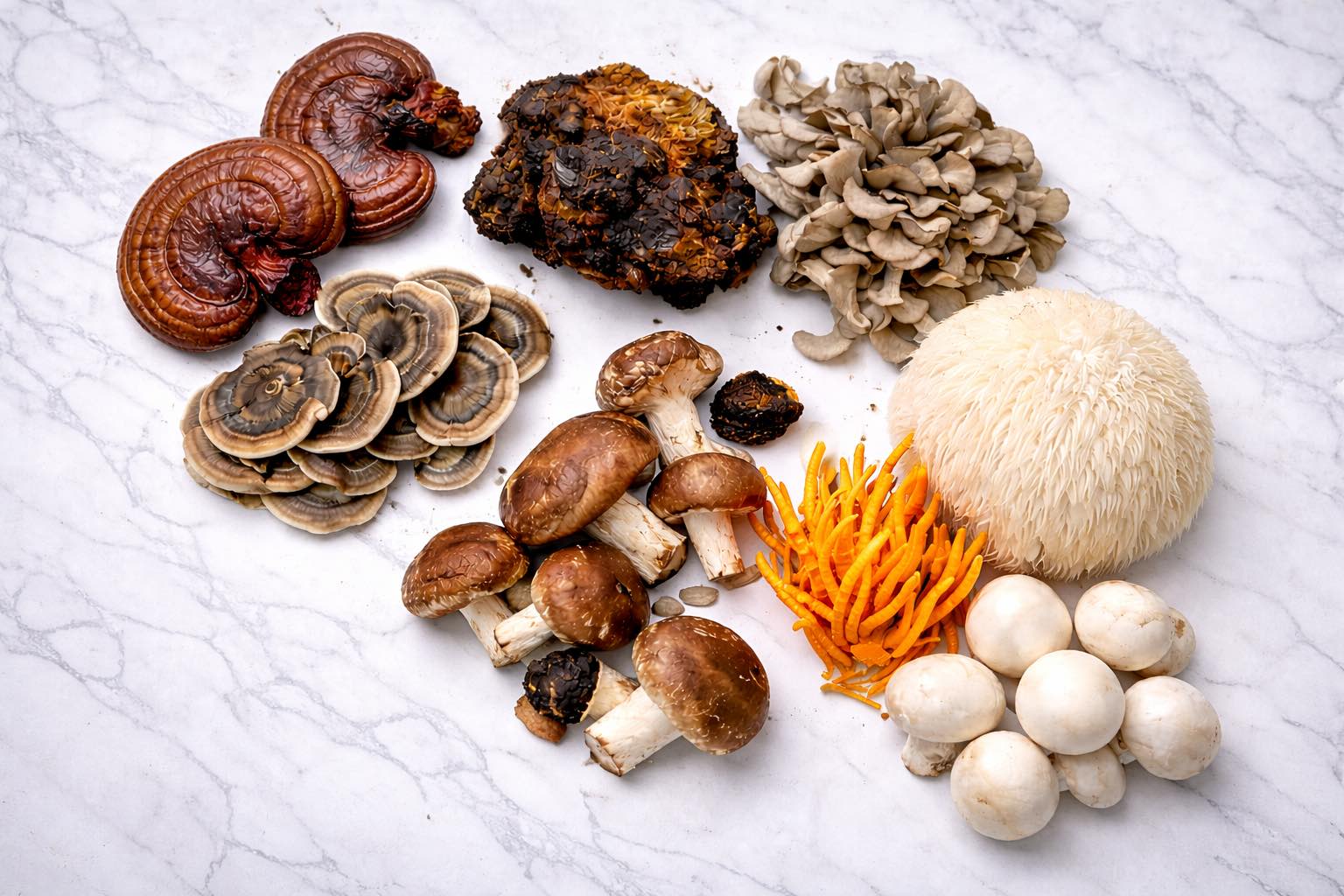
Some of the most notable functional mushrooms with medicinal benefits include::
- Reishi (Ganoderma lucidum)
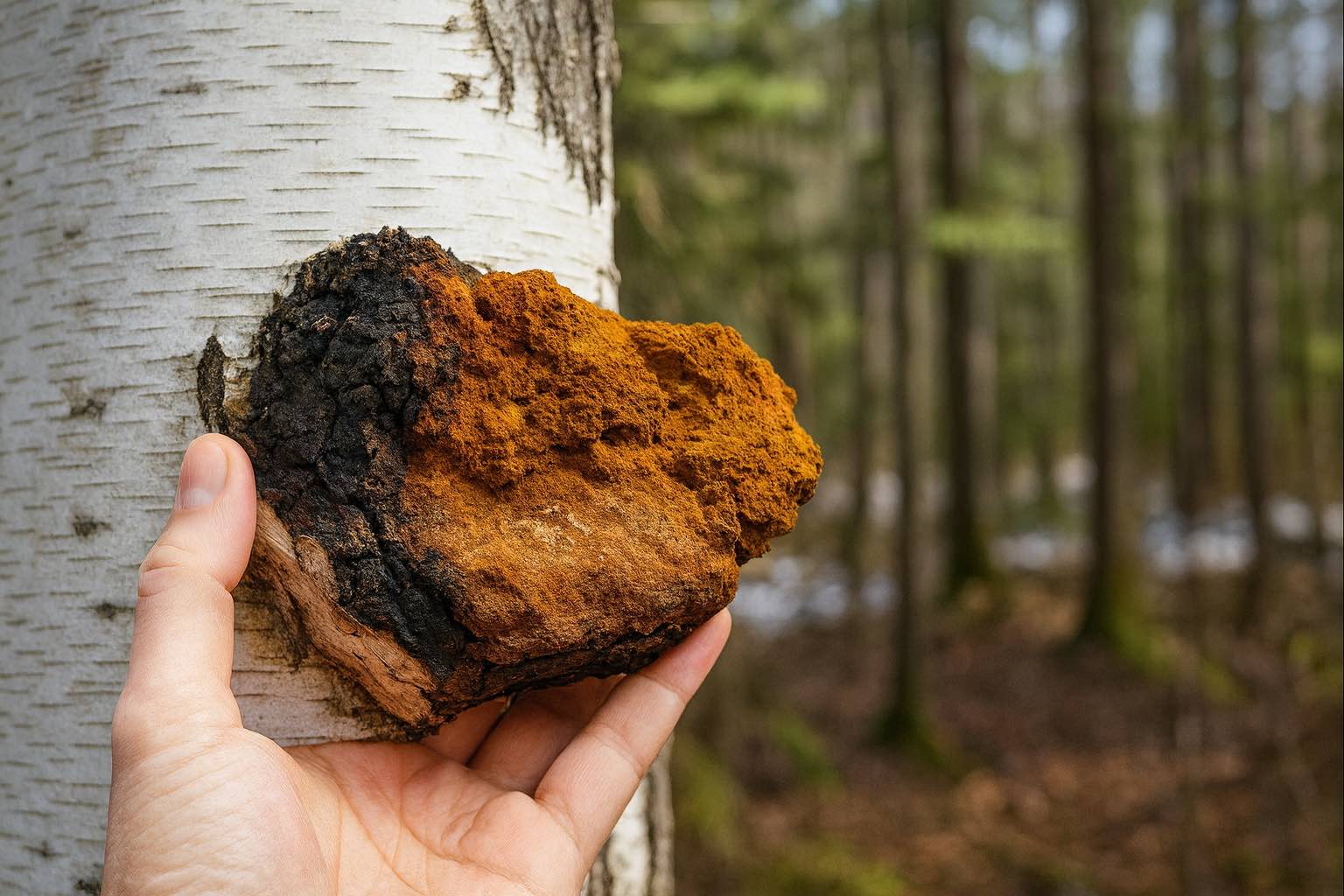
- Chaga (Inonotus obliquus)
- Coreolus (Coreolus versicolor)
- Maitake (Grifola frondosa)
- Shiitake (Lentinus edodes)
- Lion’s mane (Hericium erinaceus)
- Caterpillar (Cordyceps militaris)
- White button mushrooms
Top tryptophan-producing mushroom species
Tryptophan in mushrooms varies by species. A report that measured 5-hydroxytryptophan (which develops from tryptophan) in the fruiting bodies of edible mushrooms found these likely have above-average tryptophan content:
- Shiitake mushroom: 24.83 mg of 5-hydroxytryptophan/100 g
- Parasol mushroom (Macrolepiota procera): 22.94 mg
- Jersey cow mushroom (Suillus bovinus): 15.83 mg
- Wood ear mushroom (Auricularia polytricha): 7.32 mg
How Does Tryptophan Contribute to the Therapeutic Properties of Functional Mushrooms?
Tryptophan in mushrooms is a major factor in why these superfoods help improve sleep, mood, and concentration. Edible mushroom proteins featuring tryptophan have a complete essential amino acid profile, giving them significant therapeutic potential beyond other plant and animal sources.
Tryptophan in mushrooms acts like a natural mood regulator by helping the body produce and balance certain hormones. As a result, consuming tryptophan-rich foods like functional mushrooms, hemp mushroom blends, or medicinal mushroom supplements brings on natural calming effects, such as:
- Inducing sleep
- Fighting anxiety
- Helping with ADHD symptoms
The high quantities of tryptophan, amino acids, and antioxidants in the fruiting bodies of medicinal mushrooms can also assist in treating and preventing many diseases, including:
- Cancer
- Cardiovascular disorders
- Diseases of the central nervous system
Tryptophan significantly contributes to the wide range of therapeutic properties in functional mushrooms. Thanks to this essential amino acid, medicinal mushrooms have the potential to enhance critical bodily functions related to various aspects, including mood states, sleep patterns, and pain relief.
Tryptophan Benefits and Effects: What the Research Says
The research on tryptophan in mushrooms is promising, with numerous studies citing benefits in stress, sleep, behavior, pain, and weight loss.
Stress, Depression, and Anxiety
Studies show that tryptophan is a natural mood lifter that can lower stress and offer protection against depression, anxiety, and irritability.
- Low serotonin levels are more common among people with anxiety and depression. L-tryptophan converts to the calming neurotransmitter serotonin in the brain, making other essential amino acids more available, which helps control mood and reduce the production of stress hormones.
- A study verified that 5-hydroxytryptophan acts as a natural antidepressant that can cross the blood-brain barrier (BBB) at a high rate, converting it into serotonin more efficiently and giving mushrooms high potential as neurological drugs to treat mental illness.
- Another study concluded that edible medicinal mushrooms could serve as an adjunctive treatment for major depressive disorder (MDD).
Sleep Quality
Tryptophan also has natural sedative effects that can help people sleep better and avoid insomnia, reducing the risk for problems like depression, reduced concentration and memory, weight gain, and more.
- In a 2022 study, tryptophan supplements were found to improve sleep and reduce the time it took to fall asleep.
Headaches and Migraine Pain
Tryptophan’s ability to boost serotonin levels seems to offer natural relief for headaches and migraine symptoms, including sensitivity to light, indigestion, and pain.
- Studies show that not getting enough tryptophan worsens pain associated with tension headaches and migraines and can aggravate nausea and sleep problems experienced by many migraine sufferers.
- In a 2019 study, subjects who increased their median tryptophan intake by nearly 1 gram per day reduced their odds of developing a migraine by almost 60%.
ADHD Symptoms
Due to its impacts on synthesizing serotonin and dopamine, research finds that a lack of tryptophan might correlate to why some people develop ADHD symptoms and can affect their severity.
- A 2016 study showed that depletion of dietary tryptophan impaired sustained attention in adults with ADHD and weakened behavioral inhibition in hostile ADHD children. Supplementing with tryptophan reduced ADHD symptoms in young subjects.
- Another 2022 study found that tryptophan could alter aggressive behavior in ADHD patients.
Weight Loss
The body releases serotonin when people eat certain comfort foods, like carbohydrates, making tryptophan supplements a viable alternative for those interested in losing weight.
- Another study found that tryptophan levels may be related to improved metabolism, contributing to easier weight loss or maintenance.
Does Tryptophan Have Downsides?
Tryptophan’s relation to higher serotonin levels is mostly positive, as many diseases and health conditions often result from serotonin depletion. However, too much serotonin, such as combining tryptophan with mood-altering prescriptions, sedatives, and antidepressants like MAOI or SSRI class drugs, can cause serotonin syndrome with adverse effects.
Potential side effects when consuming high volumes of amino acids like tryptophan can include:
- Nausea
- Diarrhea
- Drowsiness
- Lightheadedness
- Headache
- Dry mouth
- Heartburn
Most people don’t consume enough tryptophan, but those taking certain medications should be cautious and speak with a doctor to discuss the potential for serotonin syndrome.
The Importance of Functional Mushroom Potency Testing
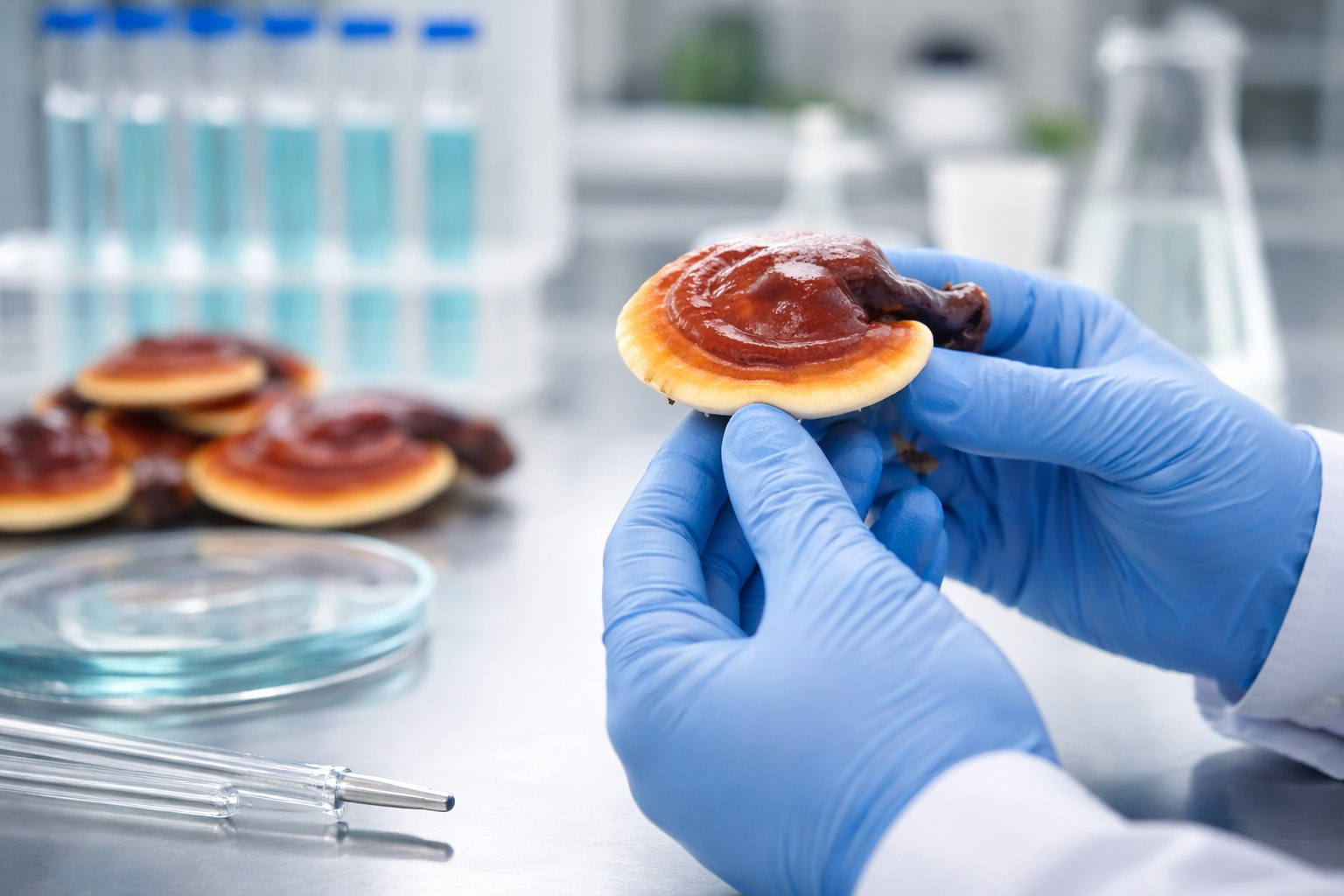
Mushroom potency testing plays a vital role in ensuring the quality and efficacy of medicinal mushrooms. Potency testing measures the concentration of key compounds, like tryptophan, which directly contributes to their therapeutic benefits.
Knowing the precise levels of tryptophan in different mushroom species enables brands to create reliable and consistent products that promote health benefits, such as improved mood, enhanced sleep quality, and reduced stress. Additionally, standardized testing ensures consumers receive accurate information about the supplements they use, enhancing trust and maximizing the effectiveness of these functional foods.
The Bottom Line
ACS Laboratory’s advanced mushroom testing methods and state-of-the-art equipment guarantee consumers pure and powerful final products. Brands looking to harness the therapeutic potential of functional mushrooms and their vital compounds, including tryptophan, should contact ACS Laboratory to start testing today.















.png)


.png)
.png)
.png)
.png)

