Heavy metals can enter hemp, cannabis, kratom, and mushrooms through soil, water, air, fertilizers, processing, or packaging, making third-party testing essential.
Heavy metals exposure may increase the risk of neurological, kidney, liver, cardiovascular, respiratory, and reproductive health problems.
ACS Laboratory tests cannabis, hemp, kratom, mushrooms, and specialty products using matrix-specific heavy metals panels designed for compliance and product safety.
Summary: Why Heavy Metals Testing Is Essential
Heavy metals testing identifies toxic elements that can enter plant-based products during cultivation, processing, or packaging. Cannabis, hemp, kratom, and mushrooms all absorb metals from soil, water, and air, even when growers follow best practices.
ACS Laboratory helps brands detect these risks early by providing matrix-specific heavy metal testing for raw materials and finished products. Without testing, metals can be transferred directly from the plant to consumers through inhalation, ingestion, or topical use.
How Heavy Metals Enter Products
Heavy metal contamination occurs when plants absorb
heavy metals from their environment or when products come into contact with contaminated materials later in the production process. ACS Laboratory routinely detects contamination linked to both cultivation and manufacturing sources.
Common contamination pathways ACS evaluates include:
soil or land with legacy industrial contamination
polluted irrigation water
fertilizers or agricultural inputs with metal impurities
airborne exposure near industrial zones
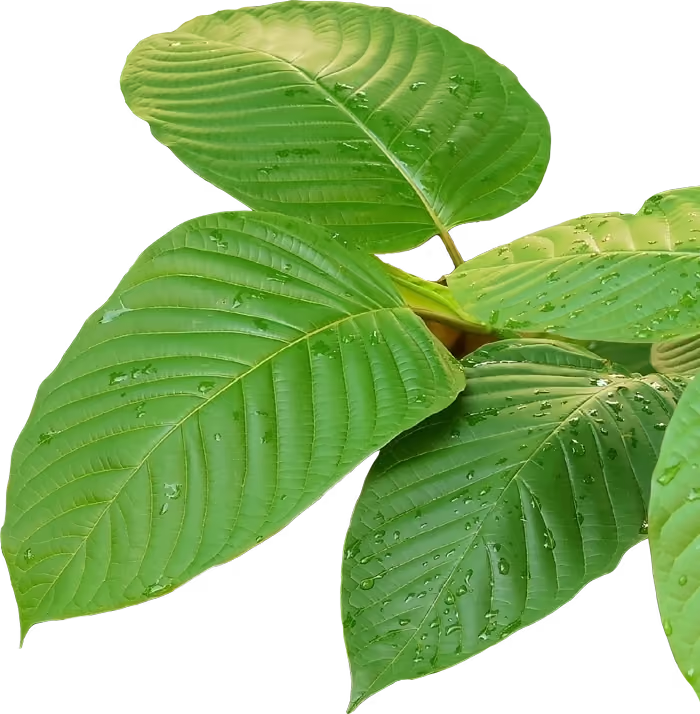
Cannabis and hemp are especially susceptible due to rapid growth, large root systems, and high nutrient uptake. Kratom leaves and functional mushrooms share similar absorption traits, particularly when grown in mineral-rich substrates. (source)
One study found that lead, cadmium, and chromium, in particular, easily transport and distribute up through the stalk and into the leaves and flowers of cannabis plants. These heavy metals then exit through trichomes, hairlike structures on the flowers that produce cannabinoids like THC and CBD. (repeated source)
ACS Laboratory mitigates contamination risks by screening materials at multiple stages, from plant material to final formulations.
How Packaging Impacts Heavy Metals Testing Results
Packaging can introduce heavy metals even when plant material tests clean. Inks, metals, and coatings used in droppers, rolling papers, and containers can leach contaminants into products over time. (source)
ACS Laboratory’s heavy metals testing allows brands to isolate whether contamination originates from the plant, the formulation process, or the packaging itself.
What Heavy Metals ACS Laboratory Tests For
ACS Laboratory screens for toxic metals known to pose serious health risks when consumed repeatedly or at elevated levels. Testing panels vary by product type, matrix, and regulatory requirement.
Metals commonly included in ACS testing panels:
arsenic
cadmium
lead
mercury
tin
nickel
Specialized panels for kratom and HHC include additional heavy metals commonly found in these products:
Heavy metals testing helps protect consumers from compounds that accumulate in the body over time and disrupt essential biological systems.
Health risks associated with metal exposure include:
neurological and cognitive impairment
kidney and liver damage
cardiovascular stress
respiratory issues
hormonal disruption
increased cancer risk
Lead, mercury, cadmium, and chromium are responsible for most human poisonings, causing oxidative stress and DNA damage that can lead to cancer. (source)
Lead also affects brain function and fertility even at low levels. (source) Mercury impacts memory and motor control. (source) Cadmium damages lungs, kidneys, and bone structure. (source)
ACS Laboratory’s low-level detection capabilities help prevent these outcomes by identifying contamination before products reach consumers.
Benefits of Heavy Metals Testing with ACS Laboratory
Heavy metals testing with ACS Laboratory supports both public health and brand integrity. ACS provides reliable data that helps clients meet regulatory obligations while exceeding baseline safety expectations.
Key benefits of testing include:
protecting consumer safety
meeting state cannabis and hemp compliance requirements
reducing recall and enforcement risk
supporting transparent labeling and Certificates of Analysis
differentiating products through verified safety
ACS Laboratory works with hemp, cannabis, kratom and mushroom growers, manufacturers, and brands to design testing strategies that align with current regulations and evolving market expectations.
How ACS Laboratory Performs Heavy Metals Testing
ACS uses Inductively Coupled Plasma Mass Spectrometry (ICP-MS), the gold standard for detecting heavy metals at trace concentrations. This technology allows ACS to identify elements that other methods may miss.
Testing process highlights:
sample ionization using high-energy plasma
separation of elements by mass spectrometry
precise quantification at parts-per-billion levels
ACS applies ICP-MS across cannabis, hemp, kratom, and mushroom matrices to ensure accurate, defensible results.
Heavy metals testing panels cover various plant and lab-based products:
Cannabis & hemp: flower, biomass, derivatives, and edibles
HHC products: expanded panel including platinum, nickel, and zinc to address hydrogenation risks
Kratom: leaves, derivatives, and edibles tested for six regulated metals
Mushrooms: matrix-specific testing based on product format and intended use
Why Brands Choose ACS Laboratory for Heavy Metals Testing
Brands choose ACS Laboratory because of its scientific rigor, transparency, and proven accuracy. ACS combines clinical-grade protocols, advanced instrumentation, and continuous method development to support brands across regulated and emerging markets. It builds heavy metals panels to meet compliance requirements and exceed them by adding product-specific contaminants that ensure safety and shelf-readiness.
Why do products need their own custom heavy metals test instead of a generic one
Matrix-specific testing identifies unique contamination risks that generic methods often overlook. It specifically targets hazards introduced by distinct production processes, such as HHC hydrogenation or specialized kratom cultivation.
How do heavy metals accumulate in cannabis, hemp, kratom, and mushrooms?
Heavy metals are introduced to these products through environmental absorption or contamination during production. Plants can uptake metals from soil with legacy industrial contamination, polluted irrigation water, fertilizers containing impurities, or airborne exposure near industrial zones. Once absorbed, these metals can distribute through the plant's vascular system into the leaves and flowers.
Which specific heavy metals does ACS Laboratory screen for?
ACS Laboratory screens for toxic metals that pose health risks, including arsenic, cadmium, lead, and mercury. For specific products like kratom and HHC, they utilize expanded panels that also include nickel, platinum, palladium, zinc, and manganese.
Can packaging impact the results of a heavy metals test?
Yes. Packaging can introduce contaminants even when the plant material itself is clean. Inks, coatings, and metals used in components like tincture droppers or rolling papers can leach contaminants into the product over time. ACS Laboratory's testing helps brands isolate whether contamination originated from the cultivation/processing stage or from the packaging itself
Need a Test or Have a Question
Call Us at 813-670-9197 or Click to send us a message.



















.png)




.png)
.png)
.png)
.png)

