Toxic molds and fungi contaminate plant and fungi products during cultivation and storage.
Standard processing steps fail to eliminate chemically stable mycotoxins from finished goods.
Routine testing protects consumer health and reduces the risk of product recalls.
Advanced lab methods detect trace contamination to ensure product safety and regulatory compliance.
Mycotoxins are among the many toxic chemicals in soil, air, and water that plant-based products come in contact with. ACS Laboratory uses medical-grade equipment to detect these microscopic compounds in trace amounts, and the mold, fungi, and bacteria that produce them. ACS’s deep scientific team investigates cannabis, hemp, mushroom, and kratom products to ensure they’re free of these harmful substances.
This article explains how mycotoxins infect plants and products, the need for mycotoxins testing, and how ACS Laboratory’s comprehensive contaminants screening ensures the most accurate results.
What Are Mycotoxins?
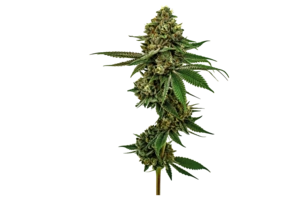
Mycotoxins are toxic chemical compounds produced by certain molds and fungi that can contaminate organic material like cannabis, hemp, kratom, and mushrooms. They pose significant health risks when ingested, inhaled, or absorbed.
How do mycotoxins form?
Plants can become contaminated with mycotoxins when microorganisms, such as bacteria, yeasts, molds, and viruses, are present. These microorganisms create ideal conditions for molds and fungi to grow, which can release toxic compounds that infiltrate the plant material. Factors like humidity, improper storage, or poor handling can increase the likelihood of these microorganisms thriving.
Mold and bacteria types that often produce mycotoxins are:
Aspergillus (most common)
Penicillium
Fusarium
Claviceps
Although there are many mycotoxins, health authorities consider Aflatoxins B1, B2, G1, G2, and Ochratoxin A the most dangerous, so qualified labs must screen routinely screen for them.
What products can contain mycotoxins?
Mycotoxins are a significant problem for many plants and product types.
A 2019 study confirmed that these harmful contaminants exist in more than 25% of the world’s agricultural production.
Mycotoxins are prolific because they occur naturally in the soil, air, and water, meaning they can grow on virtually any organic material.
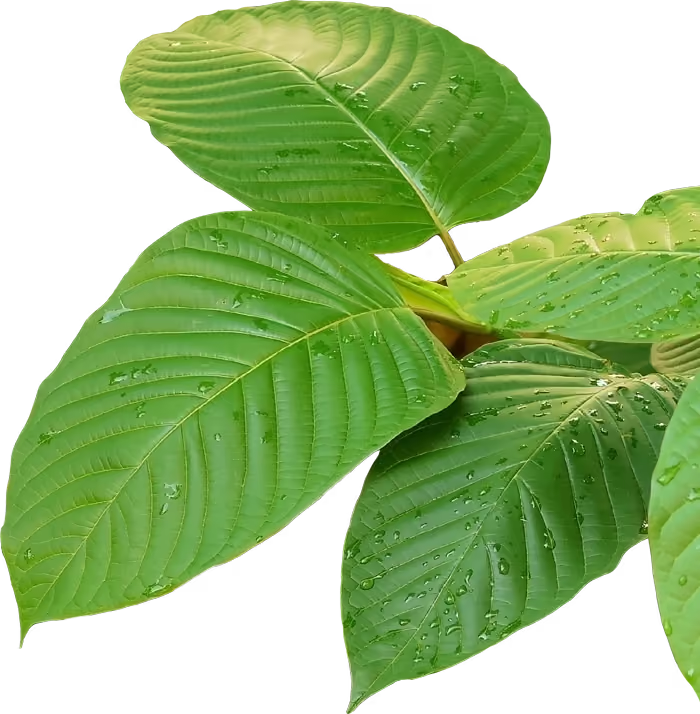
Cannabis, hemp, kratom, and mushrooms, along with dietary supplements and finished goods, are susceptible to mycotoxins. In 2018, the FDA noted 200 infections from kratom supplements caused by bacteria.
What are the risk factors for mycotoxin contamination?
Cannabis, hemp, mushrooms, and kratom are bioaccumulators. These organisms readily absorb compounds from their surrounding environment, including harmful contaminants. Cultivation conditions that favor plant growth can also support microbial activity.
Additional risk factors include:
Moisture fluctuations during drying and storage
Poor airflow or temperature control in warehouses
Extended storage of dried plant material
Shared processing equipment across batches
Why processing does not eliminate mycotoxins
Mycotoxins are chemically stable enough to survive food processing, so they can remain throughout the manufacturing and become more potent in final products. Worse, one compromised batch run can transfer residual mycotoxins to otherwise healthy products by cross-contaminating the machinery.
Exposure can happen at any point in the supply chain, making frequent mycotoxins testing a critical quality assurance measure for all cannabis, hemp, mushroom, and kratom brands.
The Importance of Mycotoxins Testing
Mycotoxins testing is critical in protecting consumer health, causing many states to require it for legal sales. Beyond compliance, it’s an essential part of a long list of safety checks that ensure product quality and build trust in the industry.
Customers who inhale or ingest compromised products can become sick and nauseous with the very symptoms that many medical cannabis patients seek relief from. Reliable mycotoxins testing is the only way to guarantee cannabis, hemp, mushroom, and kratom products are safe and effective.
Regulatory and quality assurance
Regulators increasingly recognize mycotoxins as a public health concern. Several states now require mycotoxins testing for specific cannabis and hemp products, with a focus on high-risk compounds such as aflatoxins and ochratoxin A.
However, compliance represents only one aspect of testing’s value.
Reduce the risk of recalls and enforcement actions
Protect distribution and retail relationships
Document safety at key supply chain checkpoints
Strengthen internal quality assurance programs
As regulations continue to evolve, proactive testing positions brands to adapt without operational disruption.
How ACS Laboratory Guarantees Accurate Mycotoxins Testing Results
ACS Laboratory uses sophisticated mycotoxins testing instruments and offers multiple tests to verify that plants are healthy and contaminant-free. Along with cannabis and hemp, ACS is one of the few laboratories in the nation knowledgeable in mycotoxins testing methods for other plant-derived products susceptible to mycotoxin contamination, including magic mushrooms, functional mushrooms, and kratom.
Precise testing equipment
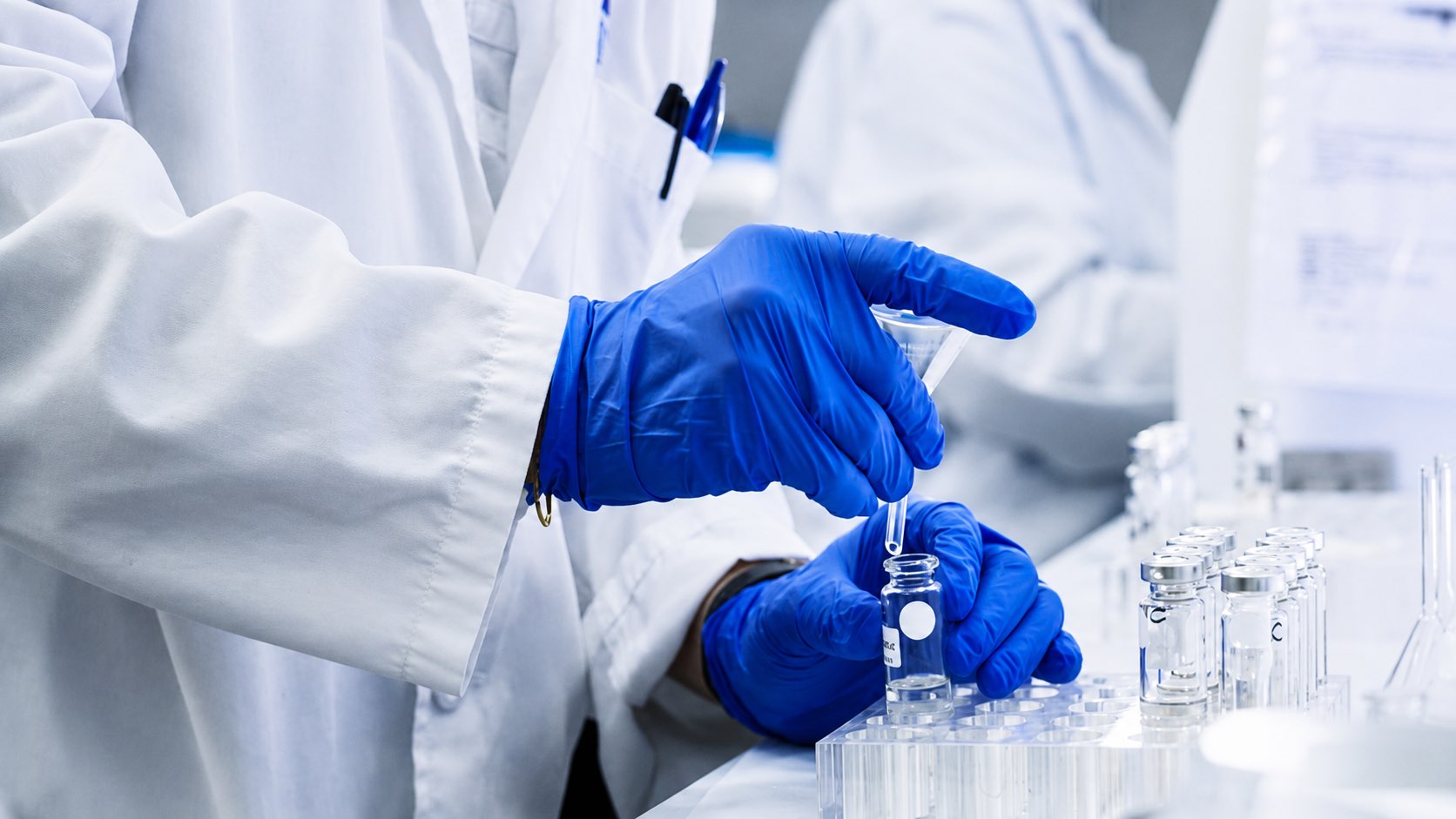
ACS analyzes products across all stages—from plants to dried flower to extracts—for mycotoxins using the Liquid Chromatography-Mass Spectrometry (LC/MS) method. LC-MS is the most sensitive and advanced technique, allowing analysts to extract various compounds in a sample, observe them individually, and quantify them in parts per billion.
Comprehensive testing options
ACS Laboratory offers comprehensive plant health panels to ensure dangerous microorganisms don’t make it into final products, including:
Microbiology testing to find signs of microorganisms and bacteria that can lead to mycotoxin growth.
A full Plant Health Panel encompassing multiple tests for viruses, mycotoxins, pesticides, fungi, and other microorganisms.
Lab reports that verify safety
ACS Laboratory uses cutting-edge software to generate a distinctive COA (certificate of analysis) that authenticates all lab results, including mycotoxin testing. A COA is essential to verify the proper potency and safety tests were conducted, including screening for harmful contaminants like mycotoxins.
COAs from ACS also include:
Secure client access via an online portal
Linked QR codes for seamless integration into product packaging, web pages, and blockchain tracking.
Results reported in English and Spanish
The Bottom Line
Partnering with ACS Laboratory allows cannabis, hemp, mushroom, and kratom brands to ensure their products are free from dangerous mycotoxins. ACS uses advanced methods and equipment to detect these harmful compounds in trace amounts throughout a product’s lifecycle. It also supplies accurate reporting in a verified COA to satisfy regulatory requirements and assure customers that products are safe.
Brands interested in prioritizing quality and fostering an industry built on trust and accuracy can contact ACS Laboratory to submit samples for mycotoxins testing today.
Frequently Asked Questions
What are mycotoxins and how do they impact products?
Mycotoxins are toxic chemical compounds produced by molds and fungi that contaminate organic materials during cultivation and storage. These stable toxins persist through standard processing and infiltrate finished goods like cannabis, hemp, kratom, and mushrooms.
Why do plant- and fungi-based products face higher contamination risks?
These organisms act as bioaccumulators and readily absorb harmful contaminants from their surrounding soil, air, and water. Moisture fluctuations and poor airflow during storage further increase the likelihood of microbial growth and toxin production.
How does mycotoxin exposure affect human health?
Short-term exposure causes respiratory difficulty, headaches, and gastrointestinal discomfort. Long-term ingestion or inhalation of these toxins contributes to serious conditions such as liver damage, immune system suppression, and increased cancer risk.
How does laboratory testing ensure product safety and quality?
Advanced analytical methods like LC-MS detect trace contamination at parts-per-billion levels to identify risks invisible to the naked eye. Precise testing reduces the threat of product recalls and builds consumer trust through verified Certificates of Analysis.
Need a Test or Have a Question
Call Us at 813-670-9197 or Click to send us a message.















.png)



.png)
.png)
.png)
.png)

