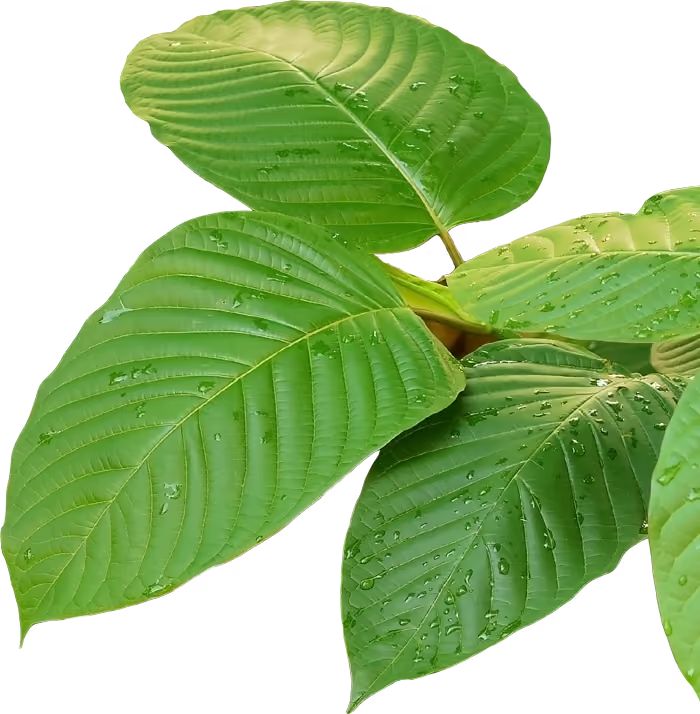
Kratom (Mitragyna speciosa) is widely used as an herbal supplement for pain relief and mood elevation. However, laboratory testing has exposed significant concerns about contamination with heavy metals, including lead (Pb), nickel (Ni), chromium (Cr), arsenic (As), cadmium (Cd), and manganese (Mn). These contaminants appear at levels that may exceed FDA safety thresholds, especially in unregulated markets, posing potential health risks to consumers.
This article examines heavy metal contamination in everyday kratom products and how brands and consumers can protect themselves through quality control and lab testing.
Prevalence and Levels of Heavy Metal Contamination
In 2019, the FDA raised the alarm about lead and nickel in kratom. Since then, multiple studies have found that a substantial proportion of products contain various heavy metals at levels exceeding permissible daily exposure limits.
A 2024 assessment analyzing 68 kratom products provides the clearest picture so far of where heavy metal contamination occurs and how often those exposures exceed established safety thresholds. The researchers reviewed independent third-party laboratory data and calculated how much lead, arsenic, nickel, cadmium, and manganese a consumer would ingest at common kratom doses.
Lead
The study identifies lead as the most concerning contaminant. The researchers found that 7.4% of all products exceeded the FDA’s permissible daily exposure limit at a modest 3-gram dose. That percentage rose dramatically with higher consumption. At 25 grams per day, 70.6% of products surpassed the lead exposure threshold.
Nickel
The researchers observed similar trends for nickel. The majority of products remained below the daily exposure limit at low doses, but higher-dose consumers faced increased risk. At 25 grams per day, 20.6% of products delivered more nickel than permitted under pharmaceutical guidelines. These exposures did not surpass the tolerable upper intake level for dietary nickel but may elevate cumulative risk in individuals already consuming nickel from food or supplements.
Manganese
Manganese results stood out as well. Kratom leaves naturally contain manganese, but the researchers found that 12.5% of products exceeded the tolerable upper intake level at a 3-gram dose. That figure climbed to 41.7% at 25 grams per day. One product exceeded the limit by a single gram. These exposures may matter for chronic users, particularly because excessive manganese intake links to neurological issues.
Arsenic
Arsenic contamination appeared in fewer products, but the findings still raise concerns. The researchers reported that 3.1% of products exceeded the permissible daily exposure at 3 grams, and 9.4% exceeded it at 25 grams. Again, non-extract kratom products contained most of the elevated results. The study could not differentiate between organic and inorganic arsenic, and inorganic forms carry the greatest toxicological risk.
Cadmium
Cadmium also appeared least frequently. The researchers found cadmium in some samples; however, no products exceeded the regulatory threshold at any tested dose.
Products that Pose the Highest and Lowest Contamination Risk
The 2024 product analysis shows that heavy metal contamination varies sharply depending on the type of kratom product. Non-extract products posed the highest risk of contamination, while extract products, including one kratom soda, contained the least heavy metals.
Non-Extract Products (Highest Risk)
What they are:
Non-extract products consist of the raw, dried kratom leaf with no additional processing beyond grinding or compressing. This group includes:
- Loose powders
- Capsules filled with powder
- Tablets made from powder
Why they are concerning:
These products retain the full plant material, which absorbs heavy metals from soil, water, pesticides, and processing machinery. As a result, non-extracts consistently carried the highest concentrations of lead, nickel, arsenic, and manganese.
Extract Products, including a Kratom Soda (Lowest Risk Category)
What they are:
Extract products are created by processing the kratom leaf to pull out and concentrate the active alkaloids. This process removes most of the raw plant matter, which also removes many contaminants. This group includes:
- Liquid extracts
- Extract-based tablets
- Sublingual extract products
- Gummies made from extract
- Soda infused with kratom extract
Why they are safer:
Extracts consistently tested at or near zero for lead, arsenic, and cadmium, and showed very low levels of nickel and manganese.
Sources and Variability of Contamination
Heavy metal contamination shows up unevenly across kratom products because the plant absorbs metals from its environment and picks up even more during processing. A 2020 Chicago-area study indicates that contamination originates on the farm and persists throughout the supply chain.
Contamination Starts in the Soil
Kratom grows in metal-rich environments. Much of the kratom sold in the U.S. comes from Indonesia, where volcanic soil naturally and irrigation water contains high nickel levels.
Kratom trees pull whatever is in that soil directly into their leaves. Nickel enters easily because it acts as a plant nutrient. Lead, arsenic, and other metals can be carried through contaminated water or residues from older pesticides and herbicides. These natural pathways explain why raw leaf powders, capsules, and tablets consistently test higher for metals than extracts.
Manufacturing and Processing: Contamination Continues After Harvest
Processing introduces its own risks. Kratom leaves move through grinding machines, drying racks, storage containers, and transport bins before reaching retailers. Each step creates opportunities for metal transfer.
Common contamination points in manufacturing and process include:
- Industrial pollution contributing to regional lead exposure
- Grinding and milling equipment that sheds or leaches metals
- Storage and transport materials that introduce additional contamination
Health Risks: Lead, Nickel, & Manganese
All heavy metals can harm the body when consumed in high daily doses. However, lead, nickel, and manganese present the clearest risks based on their prevalence in tested kratom products and their toxicological profiles.
Lead
Lead contamination sits at the center of the kratom health concern because it harms the body at extremely low levels. Additionally, lead does not leave the system easily. It accumulates in the brain, kidneys, liver, and bones, and its levels increase with every dose of a contaminated product. A 2022 toxicology analysis warns that no level of lead exposure is safe.
The paper highlights risks involving:
- Brain and nervous system: cognitive decline, seizures, agitation
- Cardiovascular system: high blood pressure, arrhythmias
- Kidneys and liver: filtration damage, inflammation
- Gastrointestinal system: pain, cramping, constipation
- Reproductive health: reduced fertility and fetal risk
The authors suggest that contaminated products—not kratom’s alkaloids—may be driving some of the U.S. toxicity reports, making headlines.
Nickel Adds Additional Uncertainty
Nickel also presents safety concerns. The study classifies nickel as a Group I carcinogen and notes that chronic exposure can weaken immune function and stress the kidneys. Most kratom consumers may not exceed nickel’s daily limits, but the paper stresses that the combined, long-term effects of lead and nickel remain unknown for people who take kratom daily.
Manganese: A Neurological Concern
Manganese is an essential nutrient at low levels. However, chronic overexposure can have a detrimental effect on the brain and mood.
- Early symptoms: irritability, anxiety, depression
- Later symptoms: reduced cognition, Parkinsonian-like tremors, balance issues, dystonia
Because manganese toxicity mirrors neurological disorders, the study warns that heavy daily kratom use could increase the risk of subtle, progressive neurological changes, particularly when combined with lead exposure.
Quality Control & Kratom Heavy Metals Testing Matter
Quality control and laboratory testing are the best determinants for whether kratom products stay safe from seed to shelf.
The Chicago study clearly demonstrates this: the only brand following Good Manufacturing Practices (GMP) produced kratom with virtually no detectable contamination, whereas non-GMP products exhibited multiple failures, including the presence of heavy metals and microbial growth.
Reliable testing matters for the same reason. Even well-intentioned suppliers cannot see contamination with the naked eye. Only routine, standardized laboratory testing can verify whether a batch meets safety limits or poses a risk to consumers. Heavy metals testing provides manufacturers with a safeguard, retailers with a validation tool, and consumers with a layer of protection that raw agricultural products cannot offer on their own.
How ACS Laboratory Strengthens Kratom Safety
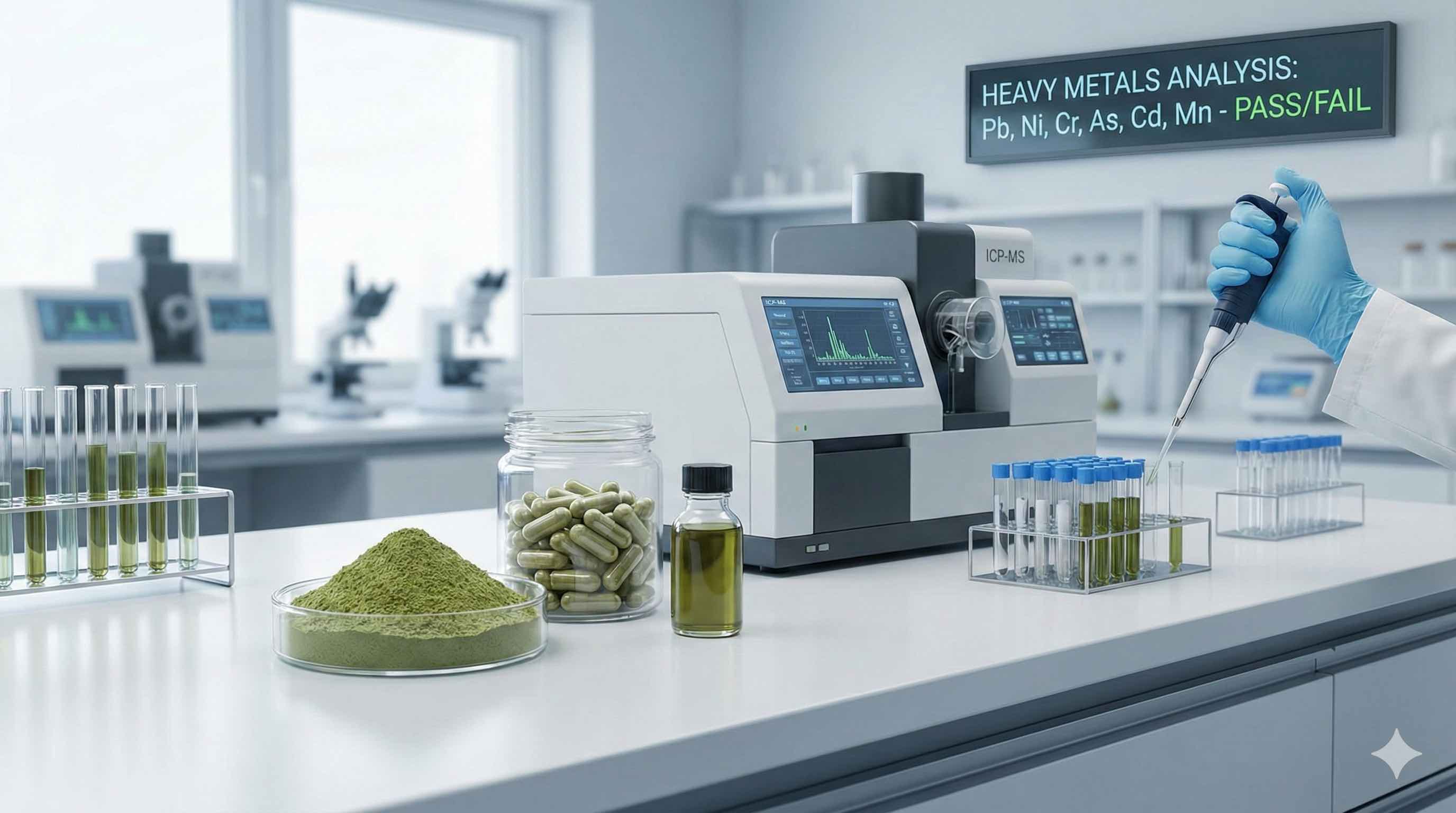
ACS Laboratory builds on this need with rigorous, third-party kratom testing designed specifically for kratom:
- Comprehensive heavy-metal panels identify contaminants before products reach the market.
- ICP-MS instrumentation measures metals at trace levels with high precision, ensuring even minor impurities are caught.
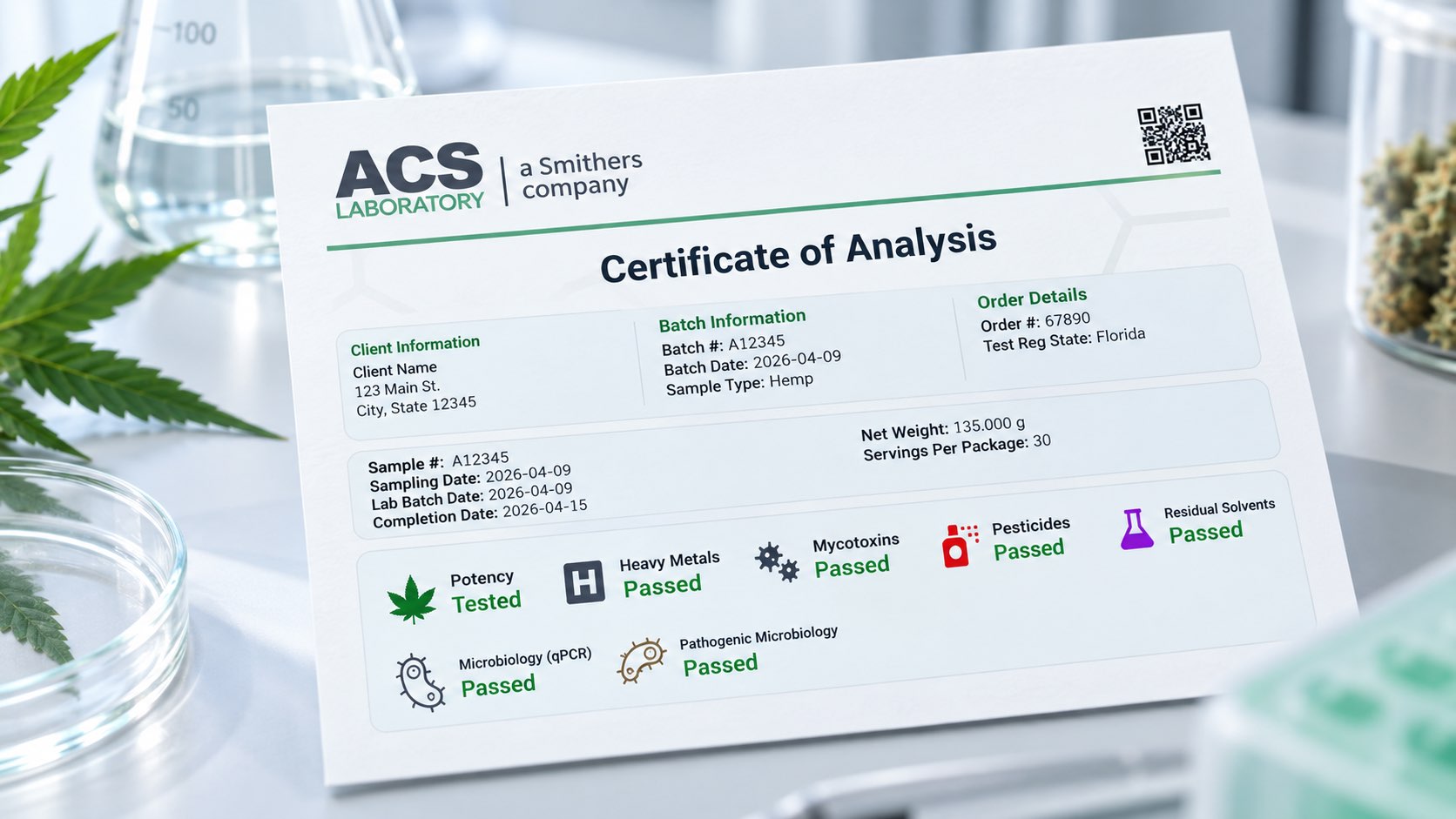
- Clear pass–fail reporting gives brands and retailers straightforward safety answers.
- Industry expertise helps manufacturers meet GMP expectations and strengthen overall quality control systems.
Contact ACS Laboratory today to test your kratom products and ensure they meet the highest safety and quality standards.


















.png)


.png)
.png)
.png)
.png)