Screen hemp plants early using qPCR testing to detect hidden viral pathogens before symptoms appear and yield drops.
Target major viral threats including Hop latent viroid (HLVd), Lettuce chlorosis virus (LCV), and Cannabis cryptic virus (CCV) to protect potency and quality.
Integrate testing routine into every stage of cultivation, especially when screening mother plants and quarantining new intakes.
Combine strict sanitation and pest management practices with lab testing to stop transmission across grow environments.
Summary
Triple virus testing helps hemp growers detect hidden plant infections before they affect yield, potency, and compliance. Viral pathogens like hop latent viroid, lettuce chlorosis virus, and cannabis cryptic virus continue to spread across cultivation environments. Early detection gives operators a clear advantage.
ACS Laboratory provides precise, science-backed triple virus testing that helps growers identify infections early and take action before damage spreads.
What is triple virus testing?
Triple virus testing screens hemp plants for three of the most destructive viral threats using quantitative polymerase chain reaction (qPCR). This method detects viral genetic material with high sensitivity, even when plants show no visible symptoms.
These infections can reduce THC levels by 50 to 70 percent, directly impacting product quality and market value.
HLVd alone has been observed in a significant portion of cultivation environments, making routine screening essential for any serious operation.
How viruses spread through cultivation environments
Viral spread rarely comes from a single source. Multiple exposure points increase risk across the entire lifecycle.
Common transmission pathways include:
contaminated tools and harvesting equipment
infected mother plants used for cloning
pests such as whiteflies that carry pathogens between plants
pollen and seeds in breeding environments
This complexity makes visual inspection unreliable. Testing provides the only clear confirmation of plant health.
When ACS recommends testing
ACS Laboratory recommends integrating triple virus testing into standard cultivation workflows. Testing should not wait for visible symptoms.
Effective testing strategies include:
screening mother plants before cloning cycles
testing new genetics during intake and quarantine
spot testing throughout the vegetative and flowering stages
confirming plant health before harvest
This approach allows growers to isolate infected plants early and prevent widespread contamination.
Preventative practices that support testing
Triple virus prevention and testing work together. Clean cultivation practices reduce risk, but testing verifies results.
Key prevention strategies include:
sanitizing tools, trays, and equipment between uses
implementing pest control programs that target virus carriers
quarantining new plants before introducing them to the grow
maintaining controlled environmental conditions
These steps support plant health, but only testing confirms whether viruses are present.
Why growers trust ACS Laboratory for plant health testing
ACS Laboratory delivers triple virus testing with clinical-grade precision and consistent methodologies. The laboratory operates as an ISO/IEC 17025:2017 Accredited facility by A2LA and is DEA-registered, ensuring that results meet strict quality and compliance standards.
As a trusted lab for hemp testing, ACS combines advanced instrumentation with a deep scientific team to provide reliable data that operators can act on.
The goal is simple. Provide clear, accurate insights that help cultivators protect yield, maintain potency, and make informed decisions at every stage of production.
Protect your yield with ACS triple virus testing
Triple virus testing gives growers visibility into hidden threats that can quietly reduce crop value. Early detection supports stronger plants, more consistent cannabinoid profiles, and better overall outcomes.
Visit ACSlab.com to learn more about triple virus testing and how ACS Laboratory can support your cultivation with precise, reliable plant health data.
Frequently Asked Questions
What three viruses does the ACS Laboratory panel test for?
The triple virus panel screens for Hop latent viroid (HLVd), Lettuce chlorosis virus (LCV), and Cannabis cryptic virus (CCV) using quantitative PCR (qPCR) technology.
How severely can viral infections impact hemp quality and yield?
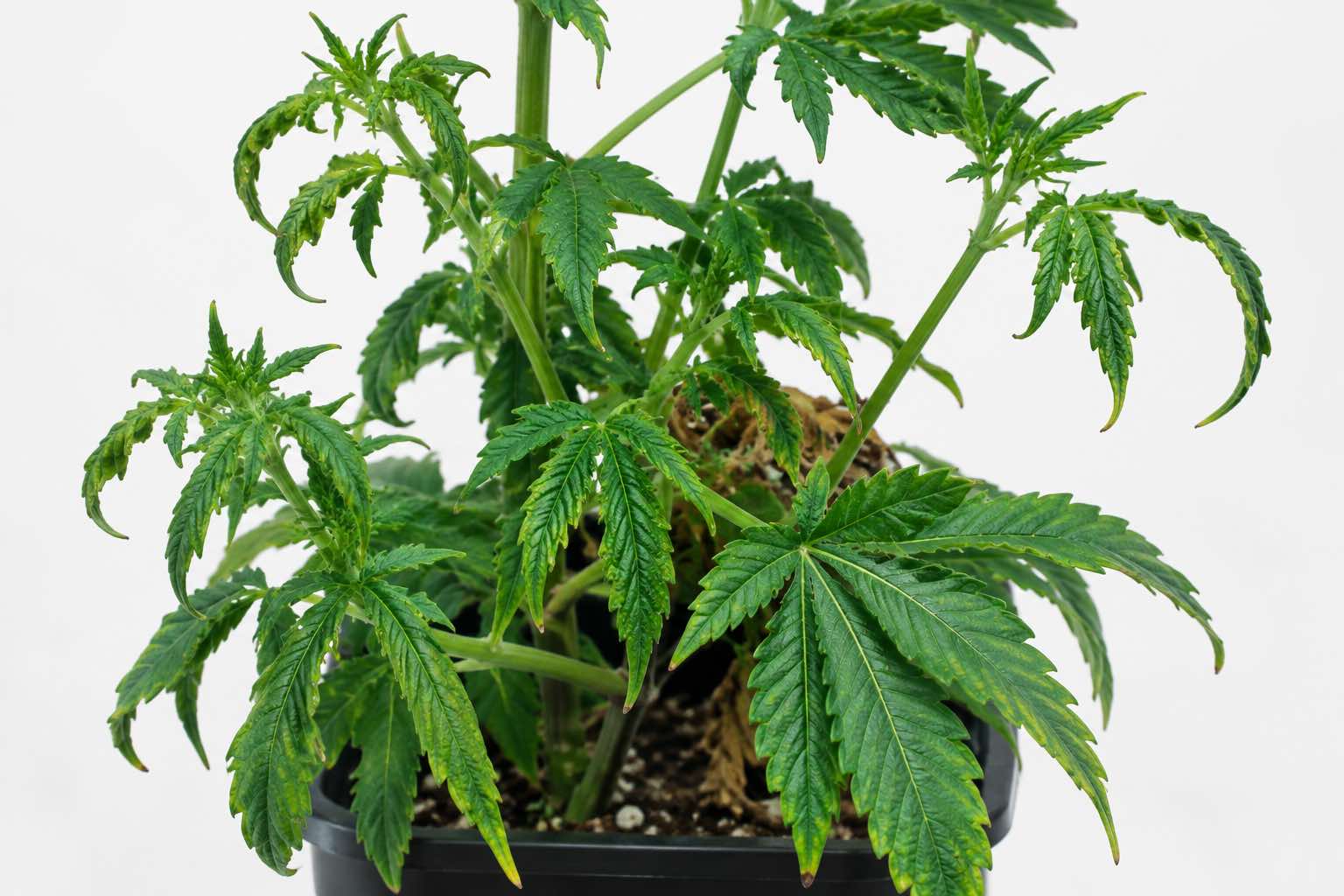
Viral pathogens like HLVd can cause stunted growth, weak plant structure, and reduced trichome development, lowering THC and overall cannabinoid levels by 50 to 70 percent.
When should cultivators perform triple virus testing?
Growers may want to test Cannabis sativa plants for viral pathogens prior to cloning mother plants, when bringing in new genetics, routinely during vegetative and flowering phases, and prior to harvest.
Need a Test or Have a Question
Call Us at 813-670-9197 or Click to send us a message.
















.png)



.png)
.png)
.png)
.png)