Key Takeaways
- Pre-harvest testing helps growers detect plant health threats before they spread or compromise an entire crop.
- Viral pathogens such as Hop Latent Viroid (HLVd) can reduce plant growth, cannabinoid production, and overall yield without causing obvious early symptoms.
- Microbiology testing can identify mold, yeast, and harmful bacteria before contamination spreads through warm, humid cultivation environments.
- Pesticide screening helps growers detect unwanted residues before harvest and reduce the risk of failed final-product testing.
- ACS Laboratory’s Plant Health Panel screens for viruses, pesticides, mycotoxins, and microbial contaminants to give growers a broader view of crop health.
Summary at-a-Glance
Healthy plants form the foundation of successful hemp cultivation. Growers spend months carefully managing their crops to support plant health and maximize yields. Yet, viruses, mold, pesticide residues, and microbial contamination can threaten an entire crop before harvest.
Pre-harvest testing helps growers detect problems early and take action before they spread.
Why Pre-Harvest Plant Health Testing Is Critical
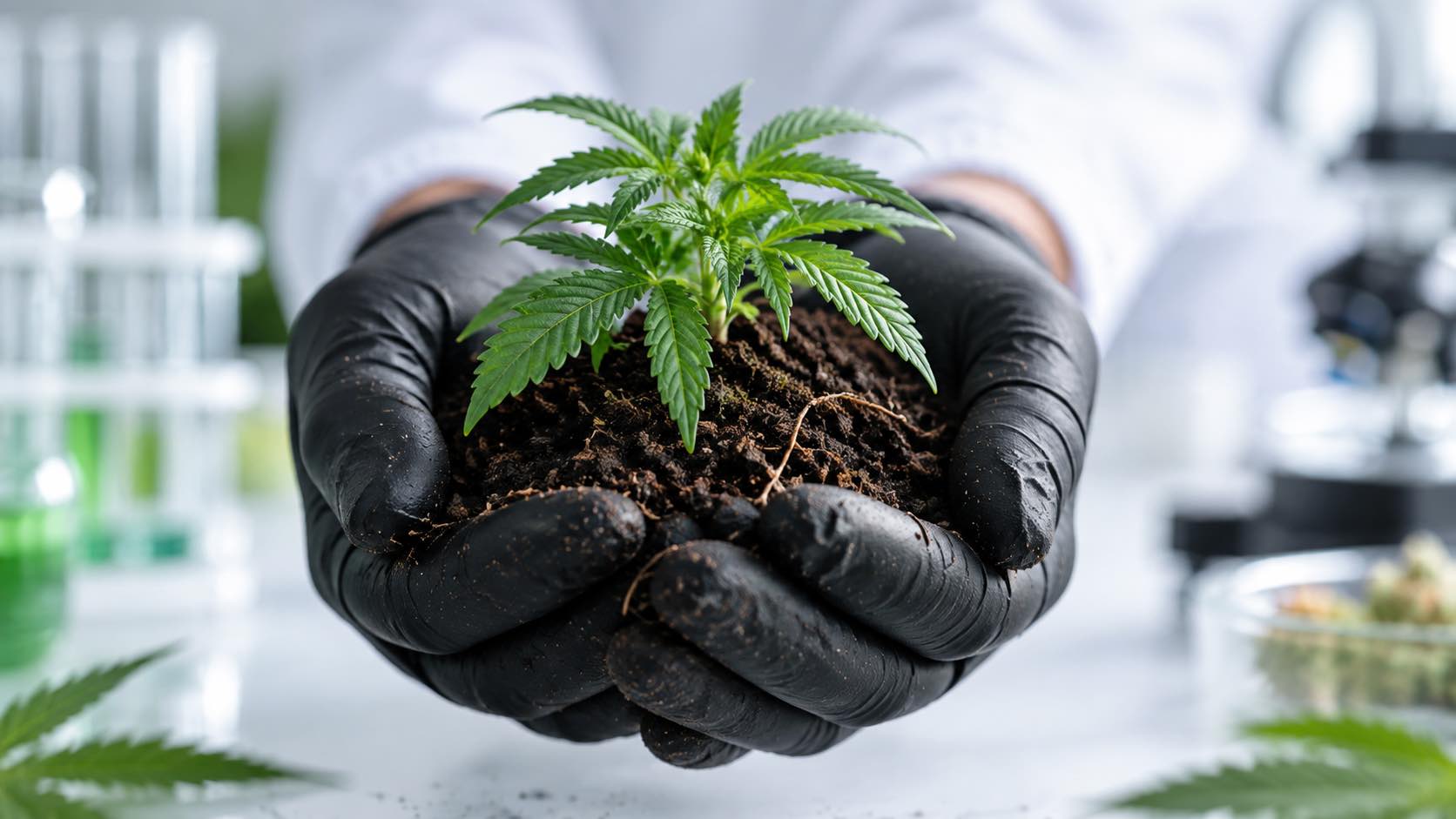
Pre-harvest hemp testing is critical because it provides cultivators with insight into crop health. Many plant pathogens and contaminants develop gradually and may not show obvious symptoms until damage has already occurred.
Early testing helps growers:
- Identify diseases before they spread across the cultivation facility
- Detect pesticide residues that could create compliance risks
- Monitor microbial contamination in humid grow environments
- Protect cannabinoid potency and overall crop quality
- Prevent costly crop destruction at harvest
Testing plants early also allows cultivators to adjust environmental controls, pest management strategies, and sanitation protocols before problems escalate.
Viral Infections Can Devastate Cannabis and Hemp Crops
Viruses represent one of the most serious and overlooked threats to plant health. Several pathogens can infect hemp and cannabis crops and significantly reduce yield and potency.
The most common viral threats include:
- Hop Latent Viroid (HLVd)
- Lettuce Chlorosis Virus
- Cannabis Cryptic Virus
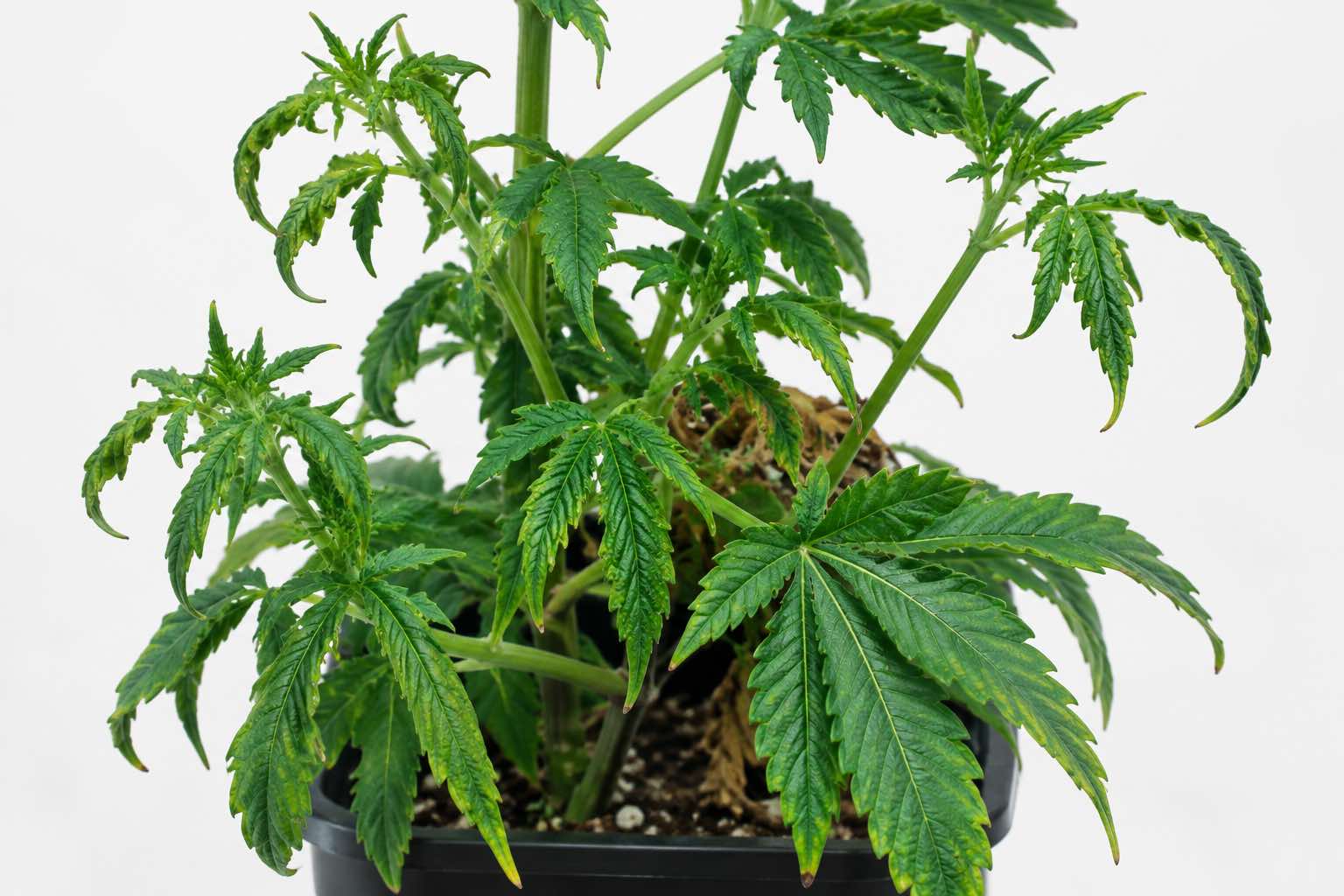
These infections often produce symptoms such as:
- Yellowing or wrinkled leaves
- Brittle stems
- Stunted plant growth
- Reduced trichome development
- Lower cannabinoid production
Infected plants may lose 50–70% of their THC content, dramatically reducing product value. Many viruses also remain dormant within plants, causing no visible symptoms. Laboratory testing becomes the only reliable method to detect these infections before they spread.
Microbial and Mold Contamination Risks
Microorganisms thrive in warm, humid environments commonly found in cultivation facilities and greenhouses. Mold, mildew, and harmful bacteria can spread quickly across plants if growers do not detect them early.
Common microbial threats include:
- Aspergillus species
- Salmonella
- Shiga toxin-producing Escherichia coli
- Total yeast and mold contamination
These contaminants not only damage plants but also pose serious health risks to consumers. Pre-harvest testing allows growers to identify contaminated plants and correct environmental conditions before mold spreads across the crop.
Why Pesticide Screening Matters During Cultivation
Growers often rely on pest management products to protect crops from insects and disease. While these products help maintain healthy plants, pesticide residues can remain on plant material if growers apply them improperly.
Testing for pesticide residues helps cultivators:
- Confirm approved pesticide use during cultivation
- Detect contamination from neighboring farms or environmental exposure
- Avoid compliance failures during final product testing
- Protect consumer health and brand reputation
Studies show that a significant portion of pesticide residues can remain in smoked cannabis products, which makes careful monitoring essential throughout the growing cycle.
How ACS Laboratory Supports Plant Health Testing
ACS Laboratory provides one of the most comprehensive plant health testing programs available for hemp and cannabis growers. The ACS Plant Health Panel screens plants for viruses, pesticides, mycotoxins, and microbiological contaminants, providing cultivators with a comprehensive view of crop health.
ACS uses advanced technologies to deliver highly sensitive results, including:
- qPCR testing to detect viral infections such as HLVd
- Ultra High-Performance Liquid Chromatography (HPLC) paired with Tandem Mass Spectrometry (MS/MS) for pesticide screening
- LC/MS technology for mycotoxin detection
- Microbiology testing for mold, yeast, and harmful bacteria
These methods provide ultra-low detection limits, enabling cultivators to identify contamination before it becomes widespread.
Visit acslab.com to learn how ACS Laboratory can support your pre-harvest hemp testing program.
FAQs
When should hemp plants be tested before harvest?
Growers should test hemp plants throughout the cultivation cycle rather than waiting until harvest. Testing young plants and mother stock can identify viral pathogens early, while additional testing closer to harvest can detect microbial contamination, pesticide residues, and other issues that develop during cultivation.
What should hemp plants be tested for before harvest?
Pre-harvest plant health testing can screen for viral pathogens, pesticides, mycotoxins, mold, yeast, and harmful bacteria. The appropriate testing panel depends on the crop and cultivation risks.
What is the difference between pre-harvest plant health testing and hemp compliance testing?
Plant health testing looks for threats such as pathogens and contaminants that could compromise a crop. Hemp compliance testing focuses on regulatory requirements, including cannabinoid potency and applicable contaminant limits.
How can growers tell if a hemp plant has HLVd?
Hop Latent Viroid (HLVd) can cause stunted growth, brittle stems, abnormal leaves, reduced trichome development, and lower cannabinoid production. However, infected plants may show no obvious symptoms, making laboratory testing important for detection.
Can mold develop on hemp plants before harvest?
Yes. Warm and humid cultivation environments can support mold and yeast growth before harvest. Testing can identify microbial contamination before it becomes widespread or affects harvested material.
Why would hemp test positive for pesticides if none were intentionally applied?
Hemp crops can encounter pesticide residues through environmental exposure or contamination from nearby agricultural operations. Screening gives growers a clearer picture of residues present on their plants before harvest.












.png)
.png)
.png)
.png)
.png)