Hemp producers and brands can submit samples for third-party testing by preparing the correct sample, completing the required documentation, and shipping it to ACS Laboratory. The process starts with selecting the right sample size based on the matrix and the requested testing panel. Producers then complete the order and chain-of-custody forms through a secure client portal before shipping via USPS, FedEx, or UPS.
Understanding each sample preparation step helps support faster hemp testing turnarounds, accurate results, and fewer delays or retests.
What Does The Hemp Sampling Process Look Like At A Glance?
The hemp sample submission process typically follows three straightforward steps.
- Prepare the sample
Gather the required sample size and package it securely, depending on the product and the requested test panels.
- Complete the documentation
Submit the digital order form and chain-of-custody (CoC) information through the client portal.
- Ship or deliver the sample
Send the sample to a third-party hemp testing lab, like ACS Laboratory in Sun City, Florida for intake, processing, and testing.
What Hemp Products and Tests Does ACS Perform?
ACS Laboratory performs compliance, safety, and research testing for a wide range of hemp plants and finished products. The laboratory supports growers, extractors, manufacturers, and brands with testing designed to verify potency, detect contaminants, improve formulation quality, and support regulatory compliance.
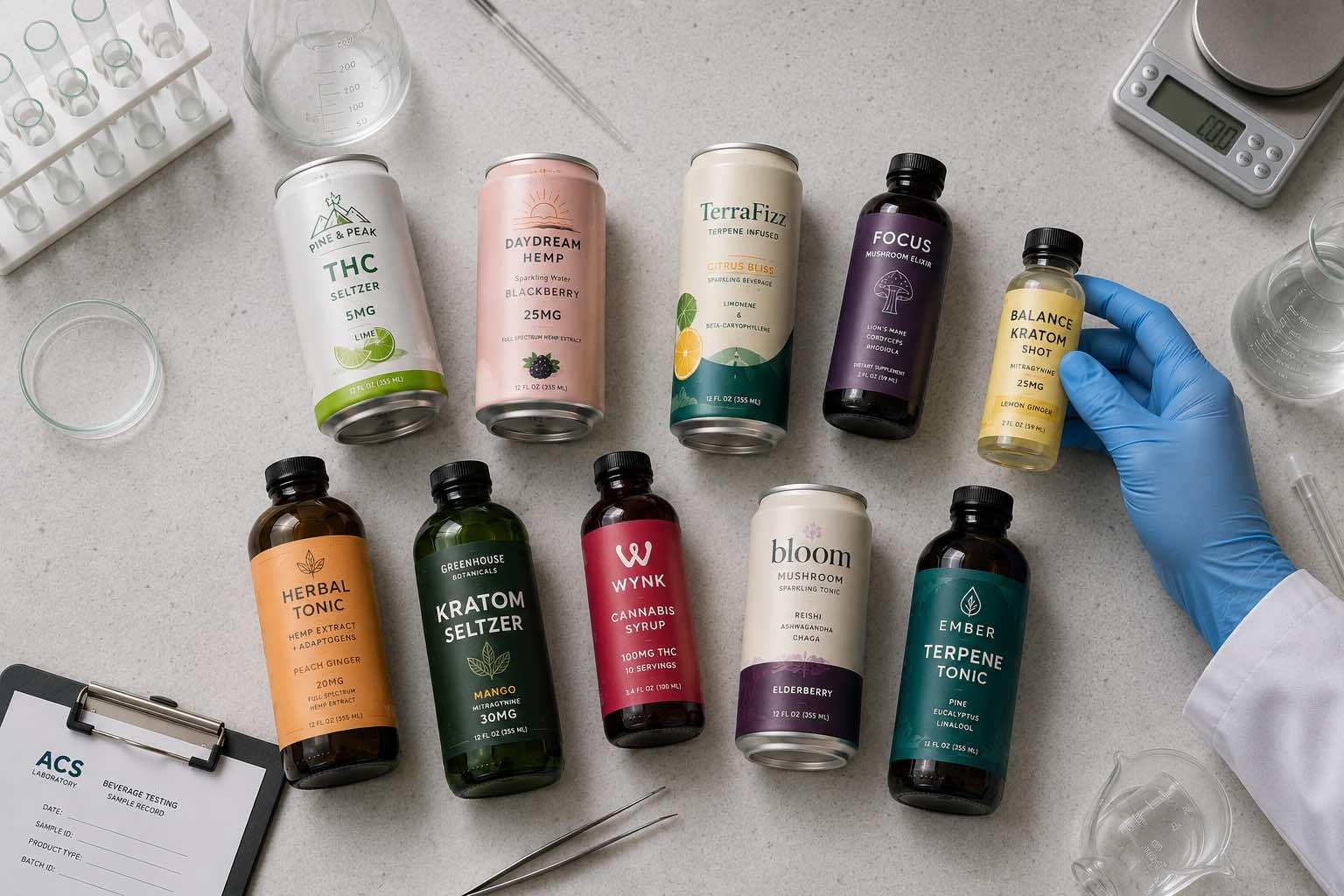
ACS tests hemp flower, concentrates, tinctures, gummies, beverages, topicals, vape products, transdermals, and other plant-based innovations using clinical-grade methods and advanced instrumentation.
Common hemp testing services include:
- Potency and cannabinoid profiling
- Pesticide screening
- Heavy metals testing
- Residual solvent analysis
- Mycotoxin screening
- Microbiology testing
- Terpene and flavonoid profiling
- Moisture content and water activity
- Shelf-life and stability studies
- Pre-harvest hemp testing
- Plant health and triple virus testing
- Beverage, nanoemulsion, and transdermal testing
Why is Proper Sample Submission So Important?
Proper hemp sample submission procedures are crucial because they help prevent turnaround delays and eliminate several technical issues that could lead to inaccurate results or costly retests.
Several common errors often delay third-partytest results.
- Incomplete Documentation: Missing signatures or vague testing instructions on the Chain of Custody form halt the intake process.
- Mismatched Labeling: Differences between the physical sample labels and the entries in the digital portal require manual verification.
- Illegible Information: Handwritten notes that are smudged or unreadable prevent the laboratory team from entering data accurately.
Other technical errors may require complete retests due to compromised data.
- Improper Packaging: Use of permeable containers or plastic bags can lead to moisture loss, terpene degradation, or cross-contamination.
- Leaking Samples: Poorly sealed oils or distillates can contaminate other samples within the shipment, rendering them unusable.
- Insufficient Sample Weight: Providing less than the required mass prevents the laboratory from completing the full panel of requested tests.
Step 1: Prepare the Sample
Before shipping, prepare a representative sample that reflects the entire batch, not just a single portion. Then label and package the sample to ensure timely processing and accurate results.
Homogenization is critical
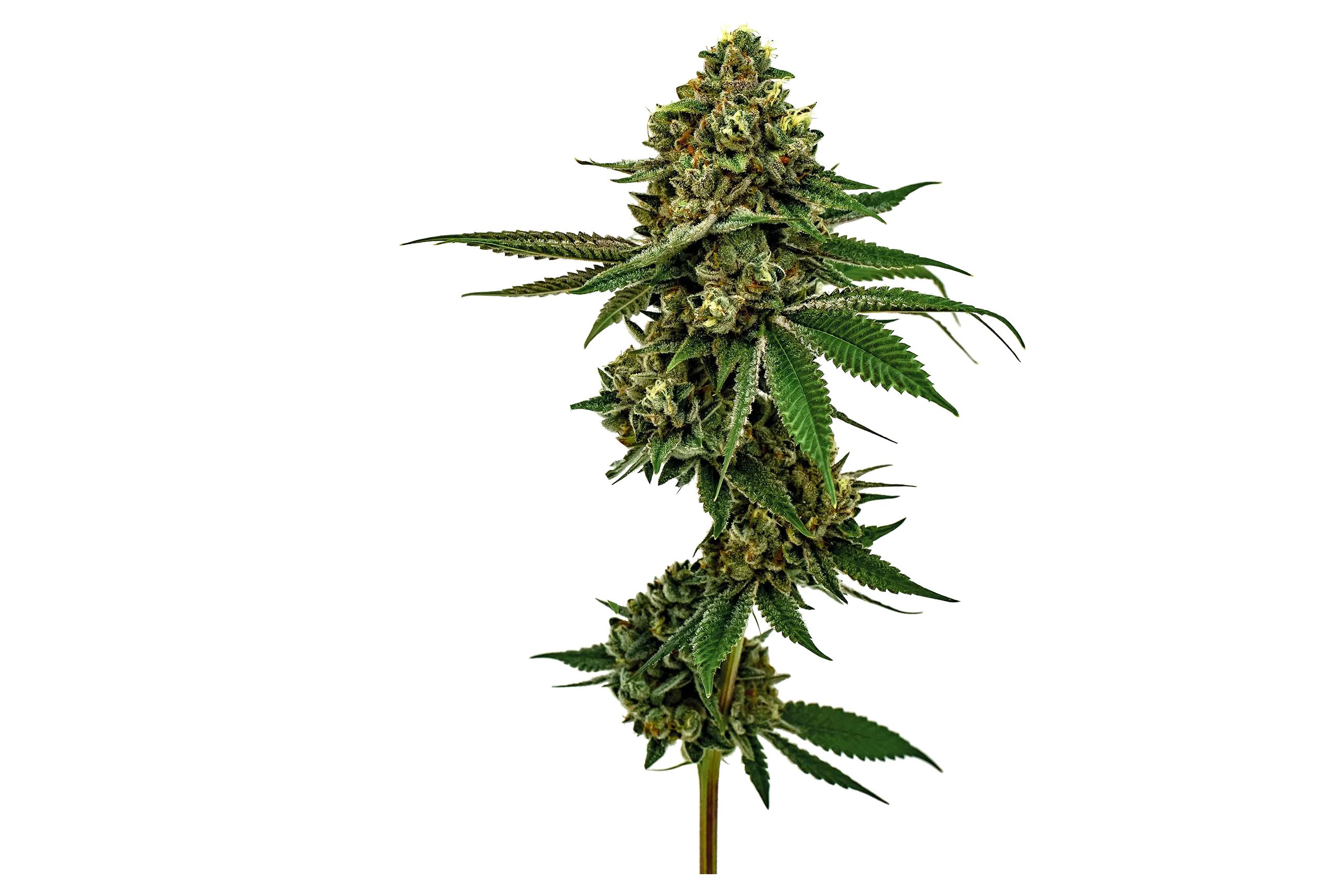
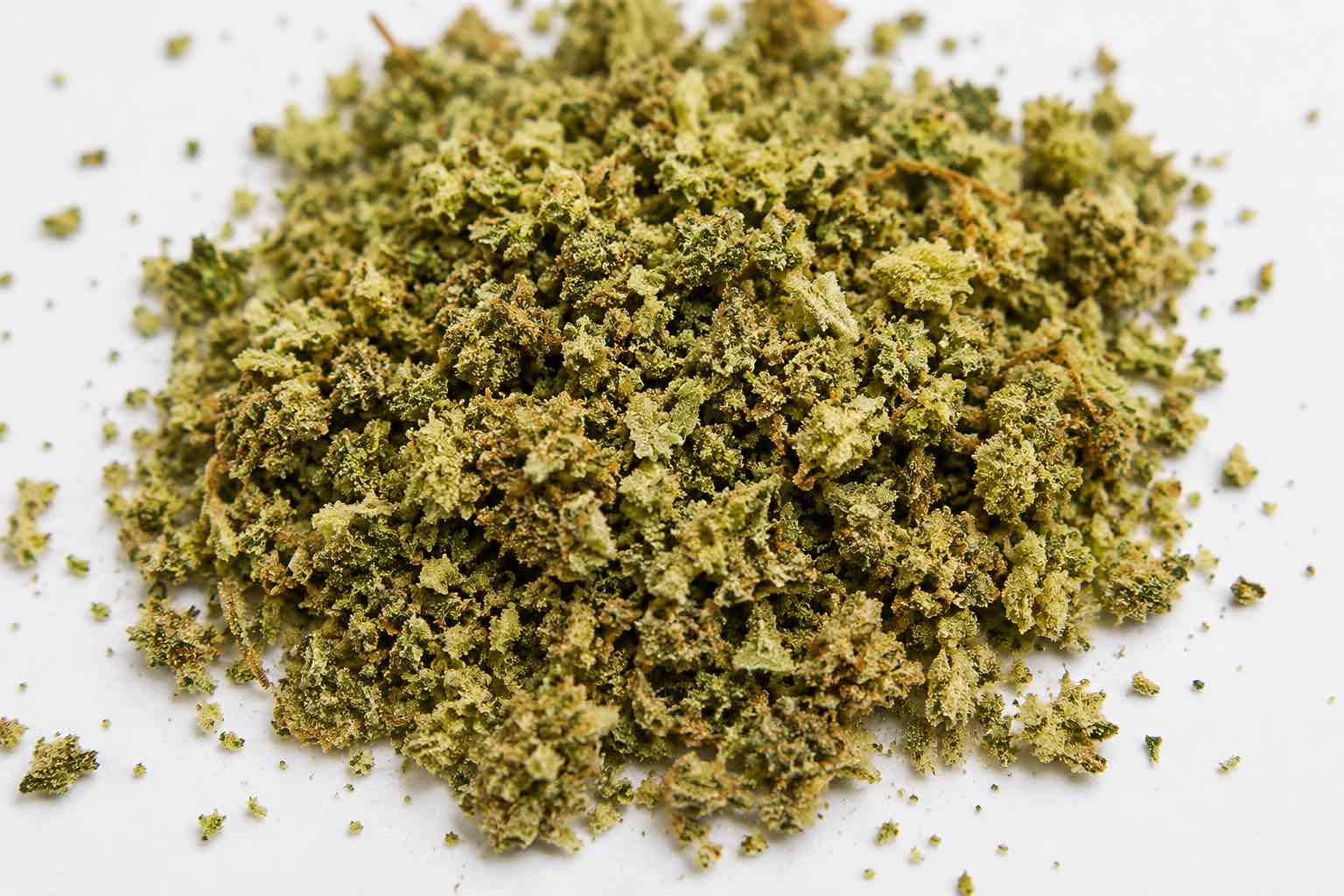
The hemp sample should reflect the quality of the entire batch. For flower, this means collecting small amounts from different parts of the container rather than submitting a single large bud. A pre-ground, even consistency helps prevent skewed potency, terpene, microbial, and contaminant results.
Weight requirements vary by product type
Flower and biomass often require larger sample volumes than concentrated extracts or distillates. Edibles, beverages, and topicals may require additional mass due to the complexity of the infused matrix.
ACS Laboratory typically requires 1 to 17 grams, depending on the sample type and requested tests.
Separation helps prevent contamination
Use separate, sterile containers for each sample whenever possible. Samples submitted for microbiology testing should always be placed in their own dedicated, sealed containers to reduce the risk of cross-contamination during intake.
Protective packaging is essential
Producers should use airtight, light-resistant glass or high-quality Mylar bags to prevent the degradation of cannabinoids and terpenes during transit. Proper sealing is the only way to protect the sample from moisture loss or external pollutants.
Apply precise labeling
Every sample container must display a clear label that includes the:
- Company name
- Batch ID
- Product name
- Date
- Test type
Step 2: Complete the Order Request with Chain of Custody Form
Before shipping, complete the order request and chain-of-custody forms through ACS Laboratory’s secure client portal. This documentation creates the official record for the sample and allows the laboratory to track the order from intake through final reporting.
New hemp producers and brands must first register through the MAHI portal before submitting an order.
Complete the order details clearly:
- product name
- batch or lot ID
- product type
- requested testing panel
- contact information
- CoC info (date and time of collection, person submitting the sample, collection location, transfer signatures)
Every field should match the physical sample label to help prevent intake delays.
Review before shipment:
- confirm all fields are complete
- verify batch IDs match the sample label
- confirm the correct testing panel
- print the order confirmation form & include it in the package
A final review before shipment helps keep intake moving smoothly once the sample arrives at ACS Laboratory.
Step 3: Mail or Deliver Your Samples
Once the sample is prepared and the order is submitted, the final step is shipping it safely to the lab. Hemp producers and brands across the U.S. can send samples directly to ACS Laboratory, just south of Tampa, Florida, via USPS, FedEx, or UPS.
Package the sample securely:
- use a sealed, clearly labeled primary container
- tape the lid closed if using glass containers
- place the container inside a sturdy shipping box
- avoid padded envelopes whenever possible
- use secondary protective packaging to help prevent leaks or breakage
- include the printed order confirmation with your sample
Ship to ACS Laboratory:
ACS Laboratory
721 Cortaro Drive
Sun City Center, FL 33573
When and How do I Receive the Results?
ACS Laboratory delivers most standard hemp testing results within 7-10 business days of receiving the samples. Specialized panels or periods of higher submission volume may require additional time.
Proper sample preparation, accurate documentation, and secure shipping help prevent delays and support the most efficient turnaround possible. If products are shipped without an order confirmation, testing will be delayed, and additional charges may apply for missing forms.
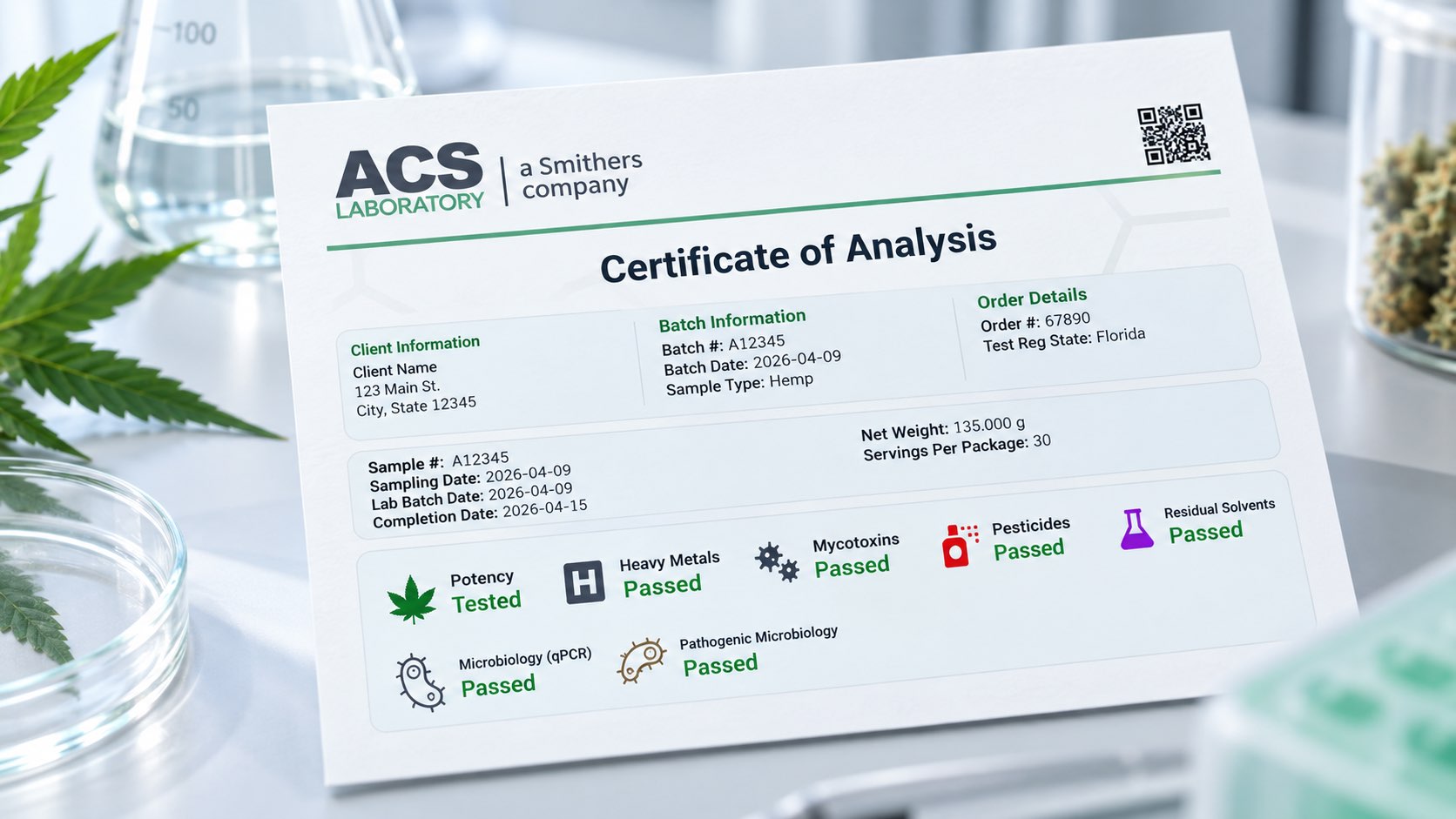
Once testing is complete, ACS posts the final results via a certificate of analysis (COA) directly in their secure MAHI client portal for easy review, downloading, and sharing. ACS simplifies reporting by giving clients a single place to track orders and access final results.
Have a question or ready to submit a hemp sample? Log in to your MAHI portal or contact us today to become a new ACS Laboratory client. We’d love to have you!
FAQ
How does a hemp producer or brand become an ACS Laboratory client?
Hemp producers and brands can become ACS Laboratory clients by clicking the Start Testing button at ACSLab.com or by submitting the contact form on the website. An account specialist then provides the required information, documentation, and portal access needed to begin sample submission.
Is the submission process the same for R&D and compliance testing of finished hemp products?
The submission process for finished goods is largely the same for both research and development (R&D) and compliance testing. The main difference is the testing panel selected and any supporting documentation required for regulatory purposes. Compliance testing typically follows specific state or retailer requirements. R&D testing may focus more on formulation, potency, stability, or contaminant screening.
Does ACS Laboratory accept hemp samples from all 50 states?
ACS Laboratory accepts hemp product samples from producers and brands in all states that meet in-state and out-of-state testing guidelines, including Puerto Rico.
What is the sample collection protocol for pre-harvest compliance testing?
Pre-harvest compliance testing requires collecting a representative flower sample from the cultivation batch before harvest to verify that the total THC level meets applicable hemp limits. ACS Laboratory provides pre-harvest sample pickup, collection, and testing services for licensed hemp cultivators located in Florida. Growers outside Florida should confirm their state’s approved sampling and submission requirements before testing.














.png)

.png)
.png)
.png)
.png)