THC potency testing guides critical decisions at every stage of the cannabis and hemp product lifecycle. But not every testing method works the same way. Laboratories use several analytical technologies—from high-performance liquid chromatography (HPLC) to advanced mass spectrometry—to measure cannabinoids across different product types.
Understanding how these THC potency testing methods work helps you choose the right test for flower, extracts, edibles, beverages, and other cannabinoid products.
How Cannabis THC Testing Methods Differ
Third-party laboratories measure cannabinoid potency using several analytical technologies. Each method separates and detects compounds using different scientific mechanisms, which affects how laboratories identify and quantify them.
Typically, laboratories select a THC testing method based on the:
- product type
- sensitivity (how small a cannabinoid concentration the instrument can reliably detect)
- whether the results support research, product development, or regulatory compliance testing.
Many labs rely on high performance liquid chromatography (HPLC) for routine hemp and cannabis potency testing. This method analyzes cannabinoids without heating the sample, which allows chemists to measure tetrahydrocannabinolic acid (THCA) and tetrahydrocannabinol (THC) separately. That distinction plays an important role in accurate hemp compliance results, where laboratories must calculate total Delta-9 THC carefully.
Laboratories then pair the HPLC system with different detectors (instruments that identify and measure compounds after separation), depending on the testing goal and cannabinoid composition.
Many potency panels use HPLC with ultraviolet detection—often written as LC-UV—to quantify major cannabinoids such as THC efficiently. Laboratories may instead use HPLC coupled with tandem mass spectrometry (LC-MS/MS) when greater sensitivity is needed or to measure minor and trace-level cannabinoids such as THCB, HHC, or CBN.
Who Needs Potency Testing & Why?
Cultivators, manufacturers, brands, and retailers all rely on THC potency testing to guide decisions across the cannabis and hemp product lifecycle. Accurate potency testing confirms cannabinoid content, supports regulatory compliance, and ensures product labels reflect what consumers actually receive.
Different operators depend on potency testing for different reasons:
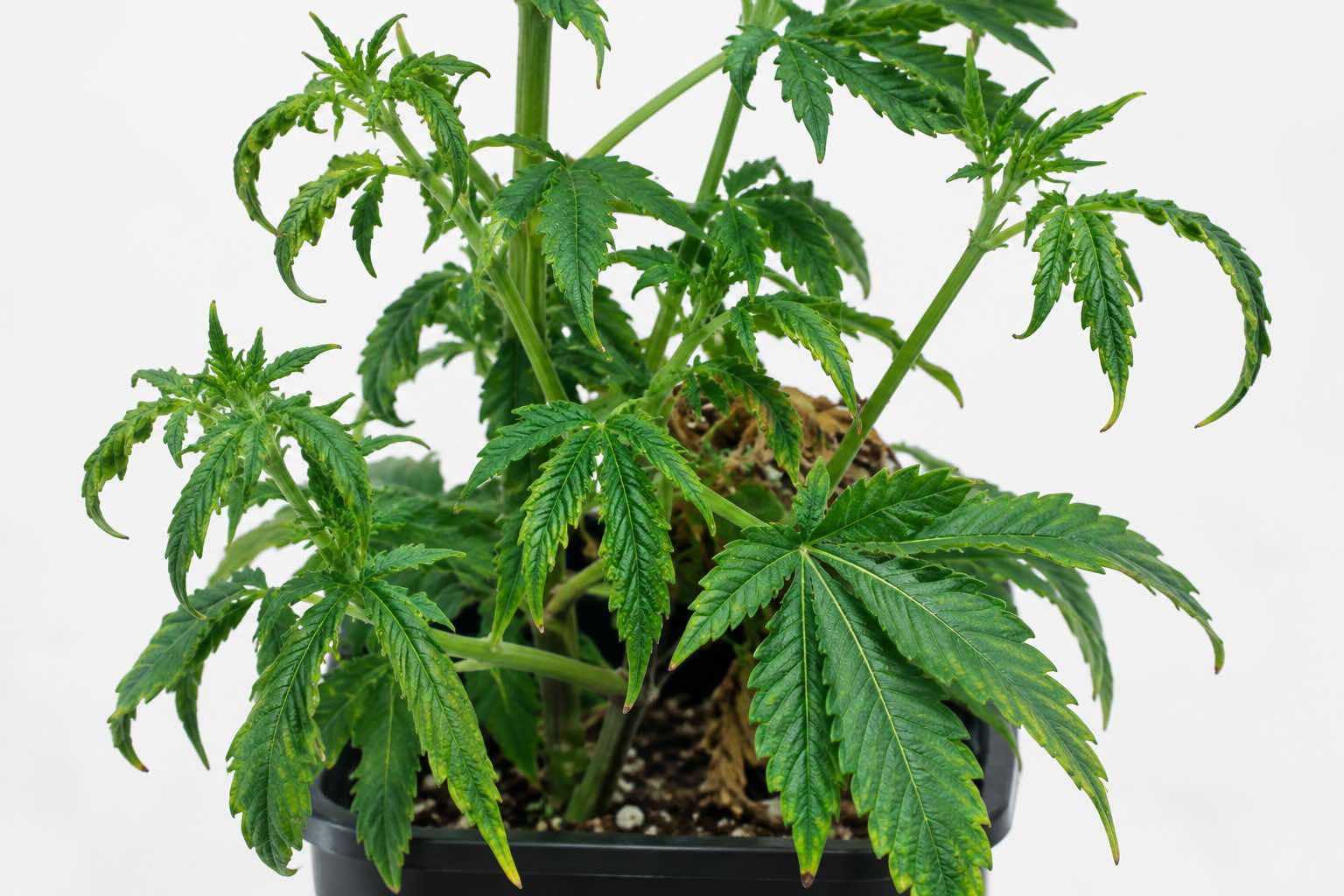
- Hemp cultivators use pre-harvest THC testing to confirm that a lot stays within the legal total THC threshold before harvest.
- Cannabis cultivators use potency testing to understand cannabinoid expression, compare cultivars, and support required compliance testing for flower sold in regulated markets.
- Manufacturers use potency testing to verify cannabinoid levels in extracts and finished products.
- Brands and retailers use potency results to support labeling, certificates of analysis (COAs), and consumer trust.
Top THC Lab Testing Methods
Accredited cannabis laboratories rely on several analytical techniques to measure THC potency, including High-performance liquid chromatography (HPLC), Ultra-high performance liquid chromatography (UHPLC or UPLC).
High Performance Liquid Chromatography (HPLC)
High-performance liquid chromatography (HPLC) is the gold standard foundation of most THC potency testing methods. The technique separates cannabinoids in liquid form without applying heat, and laboratories pair it with detectors such as ultraviolet sensors or mass spectrometers to measure the compounds after separation.
Lack of heat allows laboratories to quantify both THCA and THC separately, which is essential for accurate total THC calculations in hemp compliance testing.
Liquid Chromatography with Ultraviolet Detection (LC-UV)
Liquid chromatography with ultraviolet detection (LC-UV) uses high-performance liquid chromatography (HPLC) to separate cannabinoids and a UV detector to measure them. After the HPLC column separates the compounds, the UV detector measures how strongly each cannabinoid absorbs ultraviolet light at specific wavelengths.
Many routine THC potency panels use LC-UV because it provides reliable quantification of major cannabinoids such as THC and CBD while supporting accurate total THC calculations for hemp compliance testing.
Liquid Chromatography–Tandem Mass Spectrometry (LC-MS/MS)
Liquid chromatography–tandem mass spectrometry (LC-MS/MS) also begins with liquid chromatography separation, typically using an HPLC system. Instead of a UV detector, the instrument uses a mass spectrometer to measure cannabinoids based on their molecular mass and fragmentation patterns.
This detection method provides far greater analytical sensitivity and compound identification than UV detection. Laboratories, therefore, use LC-MS/MS when they need to measure minor or trace-level cannabinoids, confirm compound identity, or analyze emerging cannabinoids that fall outside standard potency panels.
Gas Chromatography (GC or GC-MS)
Gas chromatography (GC) measures cannabinoids after vaporizing the sample at high temperatures. This heating step converts tetrahydrocannabinolic acid into tetrahydrocannabinol during analysis, so laboratories typically report total THC rather than measuring THCA and THC separately. Many regulators accept GC-based methods for cannabis THC testing, and laboratories often pair GC with mass spectrometry (GC-MS) to improve compound identification and analytical accuracy.
Supercritical Fluid Chromatography (SFC)
Supercritical fluid chromatography (SFC) separates cannabinoids using carbon dioxide that has been pressurized until it behaves like both a liquid and a gas. This pressurized carbon dioxide carries cannabinoids through the chromatography system, separating them for measurement. Laboratories sometimes use SFC for cannabinoid analysis because the method can run faster than traditional liquid chromatography and uses less organic solvent.
| Testing Method |
Detection Technology |
Uses Heat? |
What It Measures Best |
Typical Use |
HPLC
High Performance Liquid Chromatography |
Liquid chromatography separation with a detector |
No |
THC and THCA separately |
Standard cannabis and hemp potency testing |
LC-UV
Liquid Chromatography with Ultraviolet Detection |
UV light absorption detection |
No |
Major cannabinoids like THC and CBD |
Routine potency panels |
LC-MS/MS
Liquid Chromatography Tandem Mass Spectrometry |
Mass spectrometry detection |
No |
Trace-level and minor cannabinoids |
Expanded cannabinoid profiling and research |
GC / GC-MS
Gas Chromatography |
Gas-phase separation with optional mass detection |
Yes |
Total THC after THCA converts to THC |
Accepted regulatory potency testing and research |
SFC
Supercritical Fluid Chromatography |
Supercritical CO₂ separation |
No |
Cannabinoid separation in complex mixtures |
Advanced cannabinoid analysis |
Consumer and At-Home Testing Methods
Some consumers, retailers, and small operators use at-home THC testing tools to estimate cannabinoid levels before sending samples to a lab for confirmation. These methods offer quick insights into THC content, but they cannot match the accuracy or regulatory reliability of accredited testing methods.
Test Kits (Color Chart Kits)
Color chart test kits estimate THC levels using simple chemical reactions. A tester mixes a small sample with a reagent (a chemical solution designed to react with specific compounds), and the solution changes color depending on cannabinoid concentration. The tester then compares the color against a reference chart to estimate THC potency. These kits provide a rough range rather than precise measurements.
Portable Testing Gadgets
Portable cannabis testing devices estimate THC concentration using built-in optical sensors. A tester places a cannabis flower sample inside the device, and the instrument scans the material using technologies such as near-infrared spectroscopy (NIR), which analyzes how cannabinoids interact with light. The device then processes the signal internally and displays an estimated THC potency result directly on its screen.
Smartphone-Connected Testing Devices
Smartphone-connected cannabis testers use a small sensor device paired with a mobile application. A tester places a sample in the device, and the sensor collects optical or chemical data from the cannabis material. The device then sends that signal to a smartphone app, which processes the data and displays an estimated THC potency result on the phone.
Which THC Potency Test Should I Ask For?
Most operators should consider requesting high-performance liquid chromatography (HPLC) potency testing, as regulators widely trust this method for hemp and cannabis compliance testing across plants and finished goods.
Pre-Harvest Hemp Plants
Hemp cultivators need pre-harvest THC testing to confirm that crops remain below the legal total 0.3% Delta-9 limit before harvest. Laboratories typically use HPLC-based potency testing to separate THCA from THC when calculating total Delta-9 THC. However, states typically also accept results using gas chromatography instruments.
Cannabis Flower
Cannabis cultivators and brands test finished flower batches to determine potency, support labeling, and meet state regulatory testing requirements. Laboratories commonly use HPLC or UHPLC for flower potency testing because these methods provide accurate cannabinoid separation and reliable quantification.
Extracts and Concentrates
Manufacturers test hemp and cannabis extracts such as distillates, resins, and oils to verify cannabinoid concentrations before formulating finished products. Laboratories often rely on LC-UV for routine potency testing, while LC-MS/MS may be used when manufacturers want expanded cannabinoid profiling or trace-level cannabinoid detection.
Edibles
Manufacturers test edibles to confirm that THC levels match labeled serving sizes. Laboratories typically use HPLC-based potency testing because it accurately quantifies cannabinoids within complex infused food products.
Cannabis and Hemp Beverages
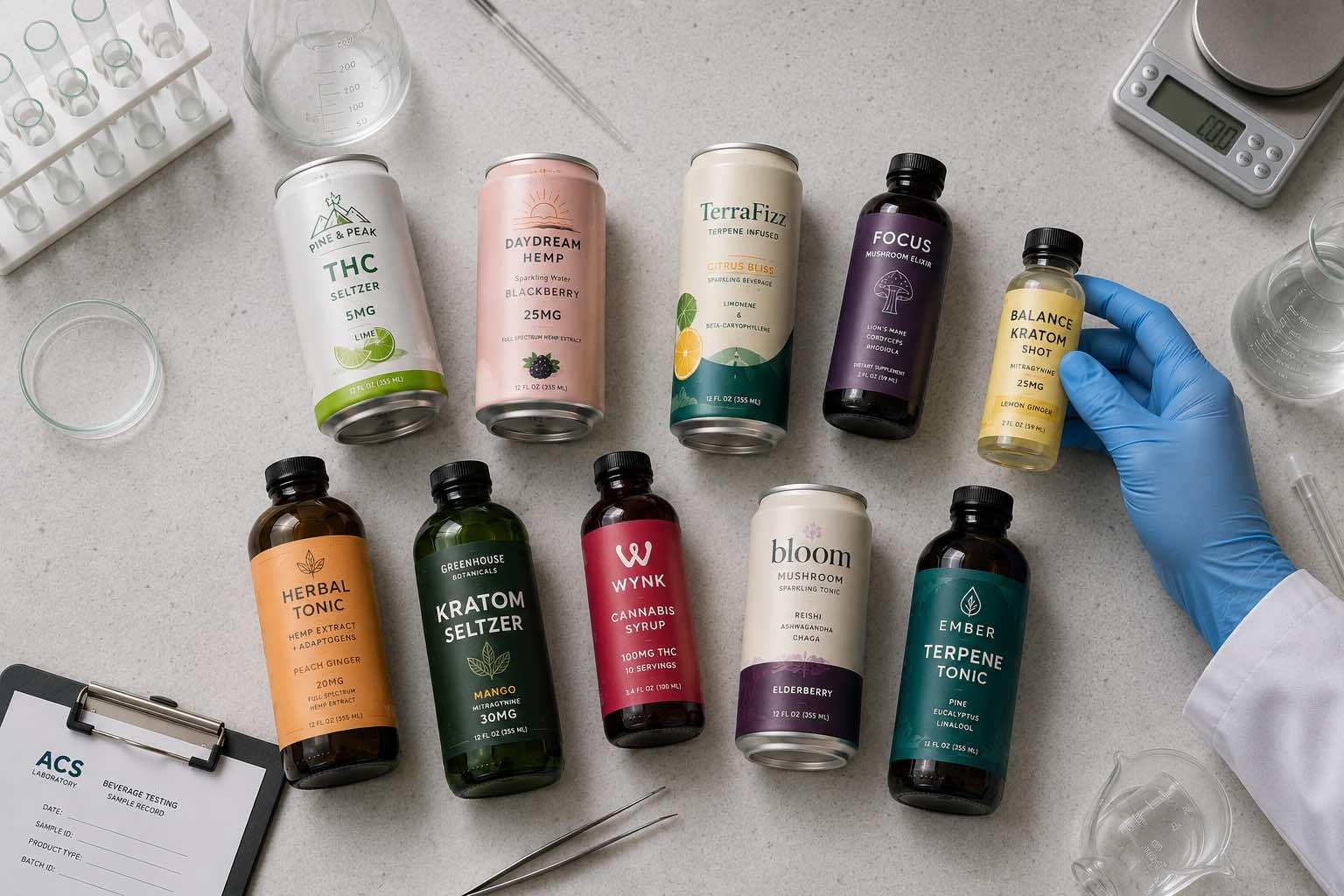
Beverage manufacturers test infused drinks to verify cannabinoid dosage and product consistency. Laboratories often use HPLC or LC-MS/MS because these methods can measure cannabinoids at the low concentrations commonly used in beverages.
Hemp and Cannabis THC Testing with ACS Laboratory
ACS Laboratory delivers high-precision hemp and cannabis THC testing using advanced analytical instrumentation and validated laboratory methods that support compliance and product development.
The laboratory relies on top-tier technologies, such as high-performance liquid chromatography (HPLC) with ultraviolet detection (LC-UV) and liquid chromatography–tandem mass spectrometry (LC-MS), for deeper cannabinoid analysis. These tools allow ACS chemists to measure THC, THCA, and dozens of additional cannabinoids across complex product types.
Clients work with ACS Laboratory for THC testing across a wide range of plant and finished products:
- Cannabis and hemp flower
- Concentrates and extracts
- Edibles and infused foods (learn more)
- THC beverages (learn more)
- R&D samples
ACS Laboratory can analyze up to 50 cannabinoids, helping brands better understand potency, differentiate products, and validate formulations.
Visit acslab.com to explore THC potency testing and cannabinoid analysis services for hemp and cannabis products.
THC Testing FAQs
What is the most accurate method for THC potency testing?
Laboratories widely consider high performance liquid chromatography (HPLC) the gold standard for THC potency testing because it measures tetrahydrocannabinol (THC) and tetrahydrocannabinolic acid (THCA) separately without heating the sample. Regulators accept HPLC for routine cannabis and hemp potency testing because it produces reliable and consistent results across many product types.
Laboratories may use more sensitive techniques, such as liquid chromatography–tandem mass spectrometry (LC-MS/MS), to measure trace levels or emerging cannabinoids beyond standard potency panels.
Why do laboratories measure THC and THCA separately?
Cannabis plants naturally produce THCA, not THC. Heat from smoking, vaping, or cooking converts THCA into THC through a process called decarboxylation. Laboratories measure both compounds separately so they can calculate total THC, which regulators use to determine hemp compliance and potency labeling.
What is the difference between HPLC and GC for cannabis potency testing?
High-performance liquid chromatography (HPLC) analyzes cannabinoids in liquid form and does not heat the sample. This allows laboratories to measure THC and THCA separately. Gas chromatography (GC) heats the sample during analysis, converting THCA to THC and typically yielding a total THC measurement.
How do labs calculate total Delta-9 THC for hemp compliance testing?
Laboratories calculate total D9 THC for hemp compliance by combining THC potency results with the potential THC that could form if THCA converts through decarboxylation. Scientists apply a conversion formula, Total THC = (THCA x 0.877) + THC, to determine the number. Regulators use this value to determine whether a hemp crop remains within the legal limit of 0.3% Delta-9 by dry weight.
Can at-home THC testing kits replace laboratory potency testing?
At-home THC testing tools can provide rough potency estimates, but they cannot match the accuracy of accredited laboratory analysis. Certified cannabis laboratories use advanced analytical instruments and validated methods to quantify cannabinoids precisely. Regulators and product labeling requirements, therefore, rely on laboratory potency testing rather than consumer testing devices.














.png)

.png)
.png)
.png)
.png)