Once you submit a hemp or cannabis sample to ACS Laboratory, the team moves it through a traceable testing process that verifies potency, screens for contaminants, and generates compliant-ready documentation. Each step protects accuracy, supports compliance, and produces defensible data you can use to release products, refine formulations, or make critical business decisions.
This article explains what happens at every stage of lab testing and why it matters, so you understand how your sample becomes verified results.
Why Lab Testing Matters
Third-party laboratory testing sits at the center of hemp and cannabis safety and regulatory compliance. Consumers expect quality, and regulators will not accept assumptions. Third-party laboratory testing turns plant material into defensible numbers.
Every batch tells a story. Laboratory results reveal whether a cultivar expresses the expected cannabinoid profile, whether an extraction process left behind residual solvents, and whether a finished product is safe for consumers. Without testing, brands operate in the dark.
Accredited third-party results helps operators:
- Meet state and federal compliance requirements
- Verify potency and support accurate labeling
- Detect pesticides, heavy metals, residual solvents, and microbial contamination
- Validate product consistency and homogeneity
- Compare genetics, inputs, and formulations during R&D
- Reduce risk of recalls, crop destruction, or enforcement action
What Panels Do Third-Party Labs like ACS Provide?
Third-party laboratories provide targeted testing panels that measure potency, safety, and finished product quality. Each panel answers a specific compliance or product development question and supports a different stage of the supply chain.
Core Compliance Panels
Most regulated markets require a core compliance panel before products can move to retail or distribution.
These full panel tests include:
- Potency testing for cannabinoids such as delta-9 tetrahydrocannabinol (THC) and cannabidiol (CBD)
- Pesticide screening to detect prohibited agricultural inputs
- Heavy metals analysis for lead, arsenic, cadmium, and mercury
- Residual solvent testing for compounds used during extraction
- Microbiology testing for harmful bacteria and mold
- Mycotoxin screening, where required by state regulation
- Moisture Testing for Flower
- Filth and Foreign Material Testing (cannabis flower)
Hemp programs also require total THC verification before harvest under United States Department of Agriculture-approved state plans. Some states, like Florida, also require Vitamin E Acetate testing for extracts.
Specialty and Innovation Panels
Third Party labs like ACS offer advanced panels to support hemp and cannabis differentiation and research, including:
The right testing strategy depends on the product type, regulatory environment, and growth goals.
The Step-by-Step Testing Process After Sample Submission
Cannabis and hemp testing with ACS Laboratory follows a structured, traceable path from sample intake to final reporting. Each step protects accuracy, prevents contamination, and ensures the results reflect what is actually in the batch.
1. Sample Receipt and Documentation
Testing begins the moment the sample arrives. The laboratory assigns a unique identification number and barcode to the sample so it can be tracked from start to finish.
Client details, batch information, product type, and requested panels are entered into a Laboratory Information Management System (LIMS). An order confirmation is printed and serves as the chain of custody.
Clear labeling and complete documentation allow this step to move more efficiently. Each sample should be labeled to match the batch listed on the order, and every shipment must include the order confirmation and chain of custody (COC). When samples arrive properly labeled with the correct paperwork, the team can immediately scan, log, and move them into testing without delays.
The order confirmation serves as the chain of custody, documenting every handoff and protecting against mix-ups or tampering. This level of traceability is required across regulated programs and ensures test results remain defensible from submission through reporting.
2. Sample Preparation and Homogenization
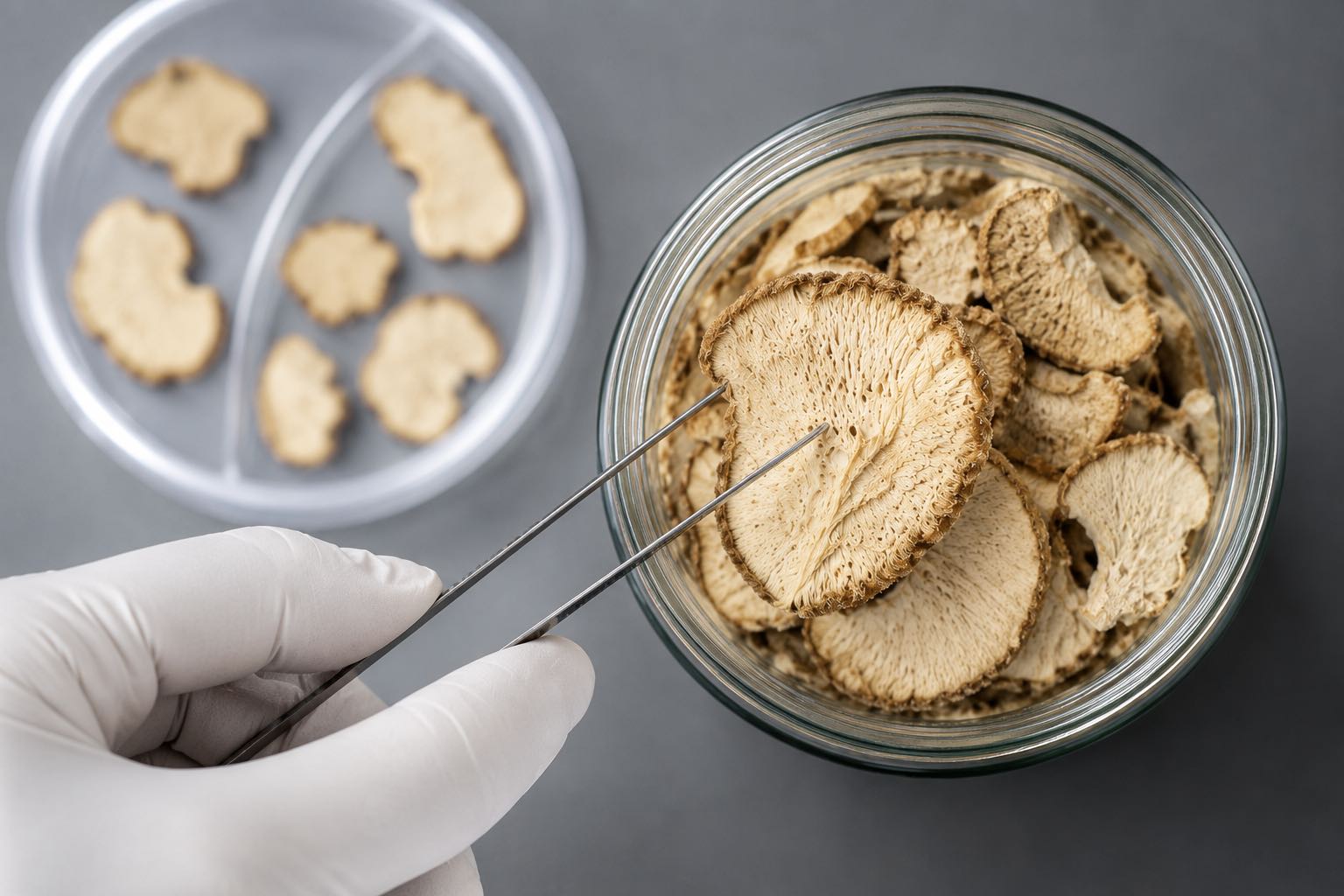
Technicians prepare the sample so the portion tested reflects the entire batch. They grind flower or homogenize (blend) edibles to create a uniform mixture. Cannabinoids and contaminants can distribute unevenly, so homogenization ensures consistency.
For cannabis plant material, laboratories must test the sample exactly as it arrives. Technicians cannot dry the material to a standardized moisture level before analysis. Regulations require the sample to be tested “as received,” meaning ACS Laboratory is not permitted to dry the sample even if a client requests it.
Hemp compliance testing follows a different reporting requirement than cannabis. Federal hemp regulations require cannabinoid results to be reported on a dry-weight basis. Laboratories may dry the sample to determine the dry-weight concentration when requested, and this preparation step may incur an additional fee.
The laboratory separates the material into a “test” portion and a “retain” portion. The retained sample remains stored in case retesting is needed.
3. Extraction and Dilution
ACS Laboratory extracts the target compounds from the prepared material using a solvent such as methanol or isopropanol. Extraction pulls cannabinoids, pesticides, and other analytes from the plant matrix so instruments can measure them accurately.
Technicians filter the solution to remove solids. They may dilute it to ensure the concentration falls within the instrument’s calibrated measurement range.
4. Instrumental Analysis
Once the sample is prepared, the laboratory uses specialized instruments to measure specific compounds, depending on the requested test.
- High-Performance Liquid Chromatography (HPLC) measures cannabinoids such as delta-9 tetrahydrocannabinol (THC) and cannabidiol (CBD) without heat. This prevents tetrahydrocannabinolic acid (THCA) from converting into THC during testing.
- Gas Chromatography-Mass Spectrometry (GC-MS) uses heat during analysis and detects residual solvents left from extraction processes. Some laboratories also use GC-MS in certain potency applications because the heat converts THCA into THC during testing.
- Liquid Chromatography-Tandem Mass Spectrometry (LC-MS/MS) identifies pesticides and mycotoxins at extremely low levels. It is also used to test cannabinoids when a verification or retest is required.
- Inductively Coupled Plasma-Mass Spectrometry (ICP-MS) measures trace heavy metals such as lead and arsenic.
- Quantitative Polymerase Chain Reaction (qPCR) detects microbial DNA from mold, yeast, and bacteria, including Escherichia coli and Salmonella.
Each instrument serves a specific purpose. Together, they create a complete safety and potency profile.
5. Data Review and COA Generation
Chemists review every result before releasing it. They check that the instruments were working correctly, confirm that control samples produced expected values, and make sure the data matches the correct compounds before approving the report. Every result gets multiple reviewers to ensure accuracy.
The laboratory then generates a Certificate of Analysis (COA). The COA lists cannabinoid concentrations and indicates whether the batch passed or failed applicable safety thresholds. Every COA comes with a QR code for printing on packages.
6. Disposal or Release
Compliant hemp and cannabis batches move forward in the supply chain according to state regulations. Non-compliant samples undergo documented destruction procedures to prevent unsafe products from entering the market. Samples need to be stored for a period of time and then disposed of in a compliant manner, as well as have a special waste service come to retrieve them.
Results Reporting and Interpretation for Growers, Manufacturers & Brands
Lab reports, or Certificates of Analysis (COAs) provide brands and producers with data they can use to make critical business decisions. COAs organize potency data, contaminant findings, and compliance determinations into a format regulators, operators, and retailers can review quickly and confidently.
Growers
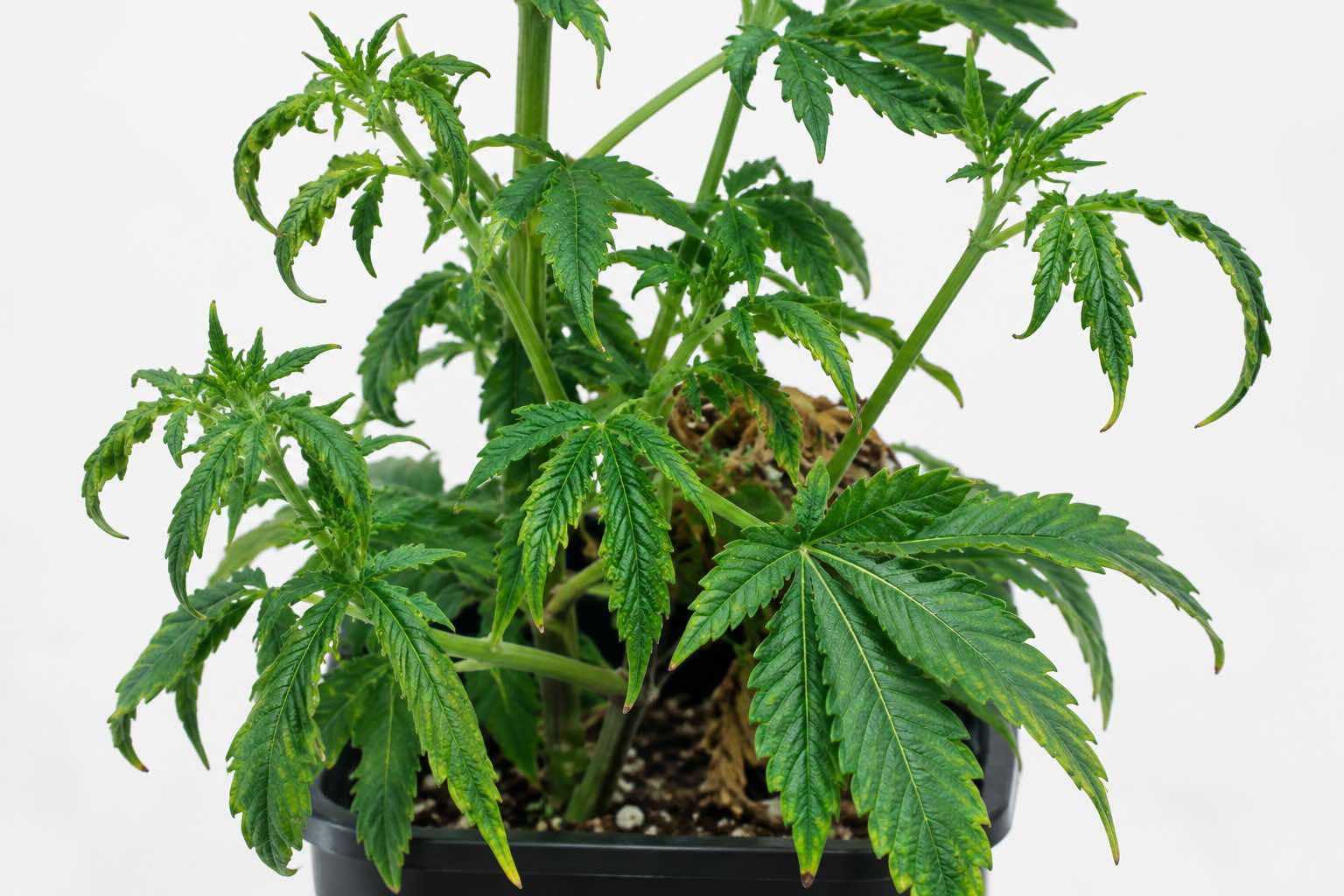
Growers use laboratory reports to evaluate genetic performance and compliance exposure. Potency results reveal how a cultivar expresses in real growing conditions. Total THC calculations determine whether hemp crops meet the 0.3% dry-weight requirement under USDA-approved programs nationwide.
Contaminant findings also highlight potential soil, nutrient, or environmental issues that require adjustment.
Manufacturers and Processors
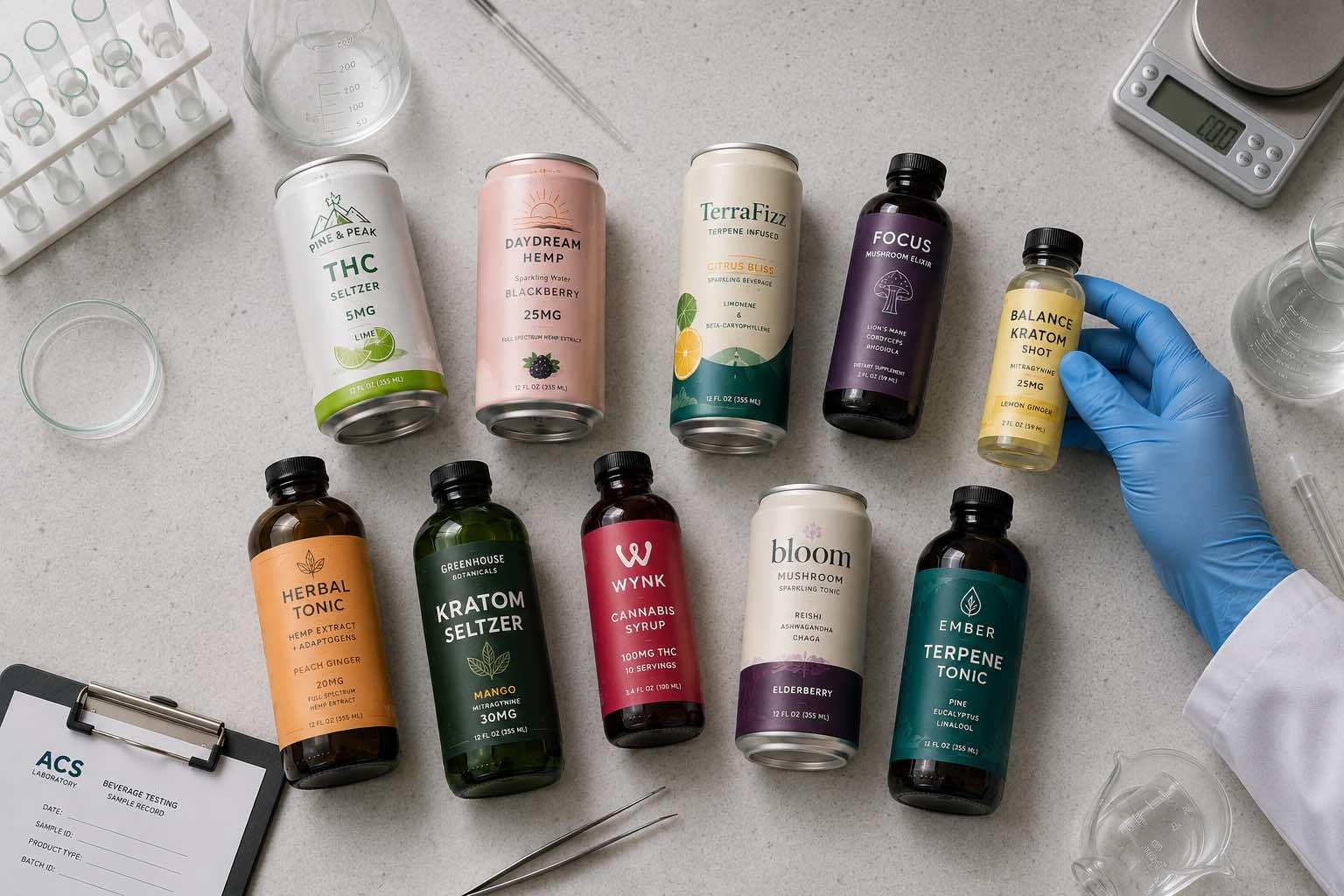
Manufacturers rely on results to confirm extraction efficiency and residual solvent removal. Potency and homogeneity data verify consistent dosing in edibles, beverages, and concentrates. Microbial and heavy metal results reduce downstream liability risk.
Clear interpretation protects production timelines and prevents expensive reformulation.
Brands
Brands use laboratory reports to support label claims and demonstrate transparency. Accurate potency data builds consumer confidence and supports regulatory compliance in markets such as Florida’s regulated cannabis program.
Retailers and Distributors
Retailers and distributors review laboratory reports before accepting inventory. They verify batch numbers, confirm compliance status, and ensure documentation aligns with state requirements.
How Long Does Testing Take?
Turnaround times for compliance testing can vary based on current laboratory volume, evolving state and federal regulatory requirements, and the scope of testing requested. While ACS operates with defined workflows and prioritization systems, timelines may shift based on real-time conditions at intake and throughout the testing process.
Several factors influence the timing of results:
- Incomplete, inaccurate, or mismatched sample submissions that require clarification prior to testing
- Elevated sample volume during peak production or harvest cycles
- State-specific compliance requirements that expand analytical scope
- Additional quality control steps, including re-testing or confirmatory analysis
- Intake, logistics, or scheduling variables that affect processing order
ACS prioritizes accuracy, compliance, and data integrity at every stage. Efficient turnaround starts with well-prepared submissions. Sample labels should match the submitted order, include a complete chain of custody, and clearly list the batch number, product description, and—where required—the manufacturing facility and permit number.
How ACS Laboratory Supports Hemp & Cannabis Testing Compliance
ACS Laboratory helps operators move from uncertainty to clarity. The team supports compliance, strengthens product safety, and equips brands to innovate with confidence.
Compliance That Holds Up
ACS aligns testing protocols with Florida’s regulated cannabis framework and USDA-approved hemp programs nationwide, as well as with strict state rules in Florida, Georgia, Utah, Colorado, Louisiana, and New York. The laboratory verifies total THC, CBD, and up to 50 cannabinoids. It also screens for required contaminants and delivers documentation that regulators can rely on.
Safety You Can Defend
Accreditation and validated methods ensure every result withstands scrutiny. ACS operates as an ISO/IEC 17025:2017-accredited laboratory by A2LA and holds a Drug Enforcement Administration (DEA) registration. Documented workflows and data review protect both operators and consumers.
Insight That Fuels Growth
ACS Laboratory offers advanced R&D panels, including terpene profiling, flavonoid analysis, plant health screening, and shelf-life testing, to help operators refine genetics, optimize formulations, and strengthen product positioning.
ACS Laboratory delivers more than test results. The team delivers actionable insight that supports safe, compliant, and forward-thinking hemp and cannabis businesses nationwide.
Contact ACS today to learn more about sending your hemp and cannabis samples for testing.
















.png)

.png)
.png)
.png)
.png)