At-a-glance
Manufacturers use chemical solvents to create cannabis concentrates and infused products. Small amounts of butane, propane, ethanol, or other extraction chemicals can remain in the final product if the process does not fully remove them. Residual solvent testing confirms that those leftover chemicals stay within established safety limits before products reach consumers.
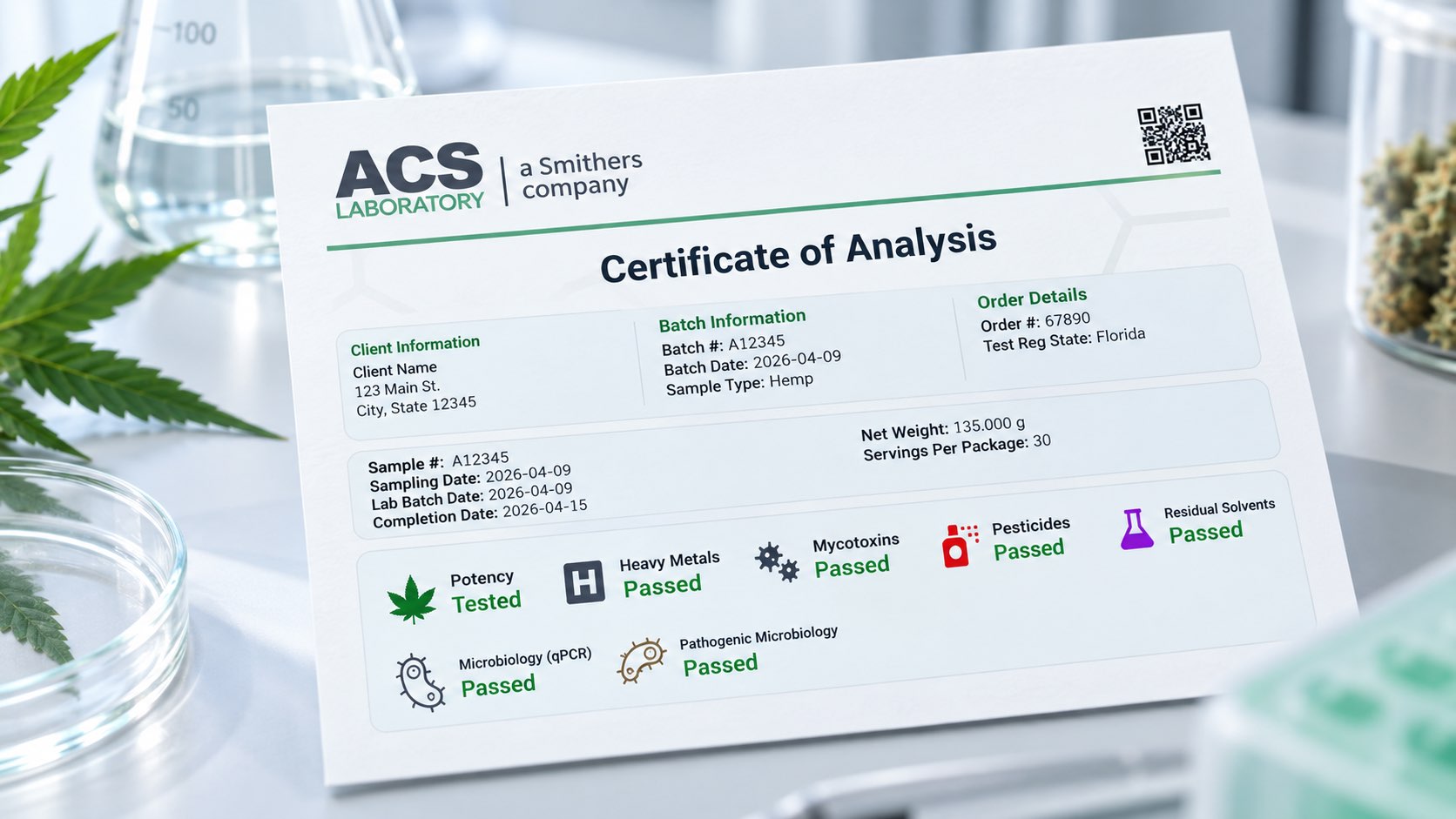
Residual Solvent Testing with ACS Laboratory
Residual solvent testing with ACS Laboratory delivers clear, state-aligned results for hemp and cannabis brands. Testing uses Gas Chromatography–Mass Spectrometry (GC-MS), a highly sensitive method that detects volatile solvents at trace levels in complex extract matrices.
ACS Laboratory's testing programs screen for up to 55–77 solvents depending on product type and state requirements. Results align with current limits in all state markets such as Florida, New York, Pennsylvania, Colorado, and Utah, providing brands with straightforward pass–fail guidance tied to where products will be sold.
What Are Residual Solvents?
Residual solvents are volatile organic chemicals that may remain in a finished product after solvent-based extraction. The Food and Drug Administration (FDA) defines residual solvents as chemicals used or produced during manufacturing that are not intended to remain in the final product.
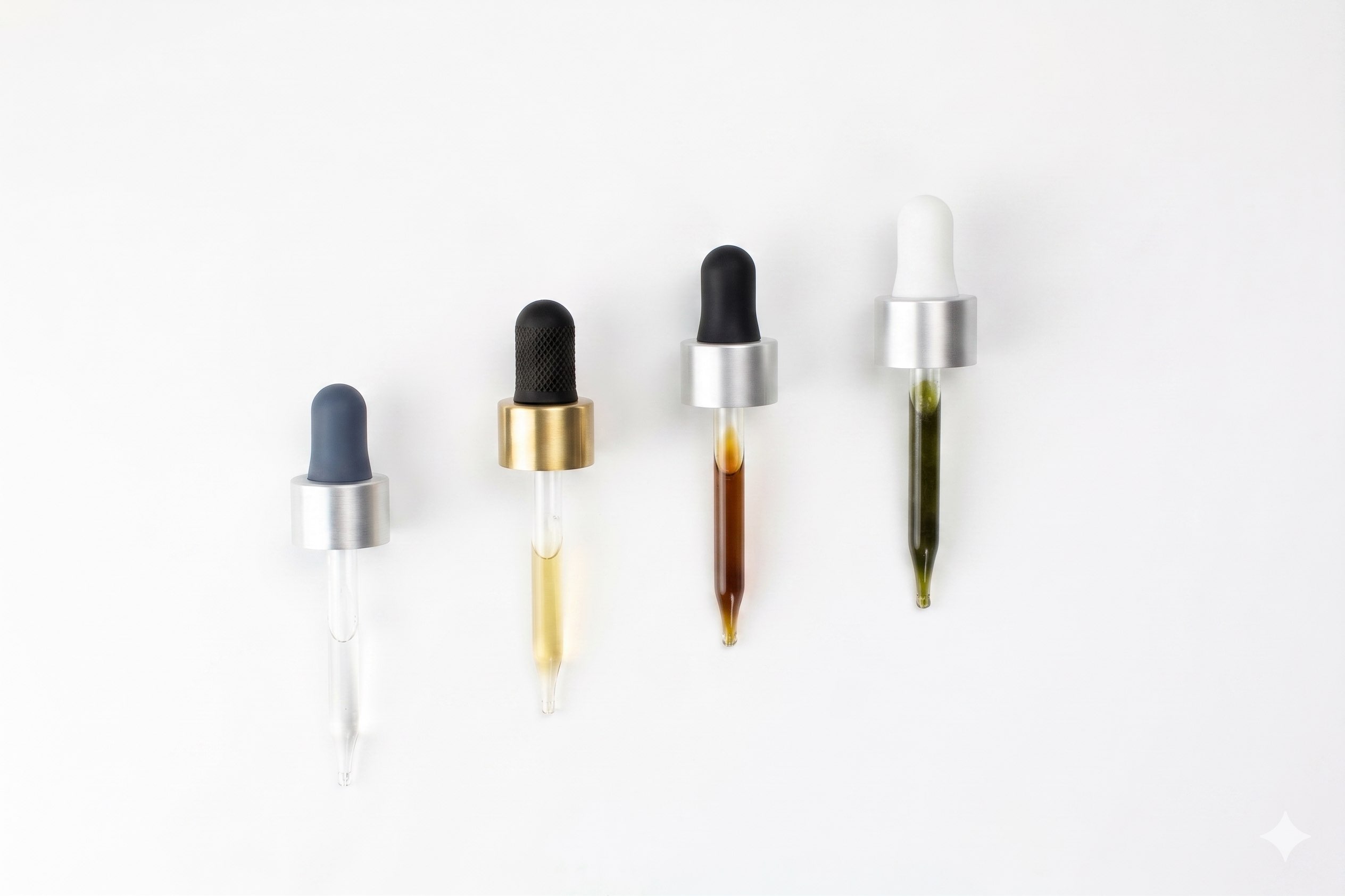
In hemp and cannabis processing, solvents extract cannabinoids and terpenes from plant material. The process dissolves compounds into a liquid solution, then evaporates them under heat and vacuum to remove the solvent, leaving a clean, concentrated extract. When purging is incomplete, small amounts of solvent may remain in the final product.
Common Solvents Used in Extraction
Residual solvent testing verifies that these chemicals do not persist at unsafe levels.
Why Residual Solvents Appear in Hemp and Cannabis Products
Residual solvents can remain in hemp and cannabis extracts even when manufacturers follow standard production procedures correctly. Thick, dense, or highly viscous product formats make it harder for trapped solvents to fully evaporate during purging.
Higher-Risk Formats Include:
- Solid and semi-solid concentrates, such as shatter, wax, budder, crumble, and diamonds, retain solvents more easily because their dense structure and limited surface area slow evaporation during purging.
- Inhalable products, including vape cartridges, disposable vapes, and dab concentrates, because any remaining solvent can volatilize when heated during use.
- High-viscosity or high-potency extracts, such as live resin and terpene-rich formulations, can trap residual solvents within the limited surface area extract matrix.
Extraction runs also vary naturally. Minor changes in temperature, pressure, soak time, or solvent composition can affect purge efficiency. Variability in raw plant material adds another layer of complexity, even when using the same harvest.
Because these variables cannot be fully eliminated, laboratory testing is the most reliable safeguard.
Why Residual Solvent Testing Is Important
Residual solvent testing protects consumer health and brand reputation. Solvents offer no therapeutic value and may cause adverse effects when inhaled or ingested in quantities exceeding safety thresholds. Some solvents may also pull pesticides or other contaminants into the extract during processing.
Testing also supports product quality. Excess solvent residues may:
- Alter aroma, flavor, or texture
- Reduce shelf life or stability
- Increase exposure risk during heating or vaporization
From a business standpoint, testing reduces regulatory and financial risk. Many states require residual solvent testing for hemp and cannabis products, and failures may lead to recalls, fines, or removal from retail shelves.
Understanding Solvent Risk Categories
Regulators classify solvents by toxicological risk. Understanding these categories helps brands interpret results and make informed formulation decisions.
Class 1 Solvents (High Risk)
These solvents should be avoided entirely due to severe health risks. Benzene falls into this category and is considered a carcinogen with no safe exposure level.
Class 2 Solvents (Medium Risk)
These solvents may remain at low levels if they stay below established limits. Examples include chloroform, methanol, toluene, hexane, and n-butane. Long-term exposure may affect the liver, kidneys, nervous system, or vision, depending on concentration.
Class 3 Solvents (Low Risk)
These solvents present the lowest toxic potential and are generally permitted at higher thresholds. Examples include ethanol, acetone, isopropanol, and n-pentane. Excessive exposure may still cause irritation, making verification essential.
Bottom Line
Residual solvent testing remains a critical step for hemp and cannabis brands using solvent-based extraction. These chemicals play a crucial role during processing but pose safety and compliance risks if left unaddressed. Accredited third-party testing with ACS Laboratory confirms solvent levels remain within approved limits while preserving product quality.
Contact ACS Laboratory for more information on residual solvent testing and market-ready products.













.png)

.png)
.png)
.png)
.png)