Master Sample Preparation: Prioritize sample integrity by fully dehydrating mushrooms, sealing them in airtight containers, and labeling each batch clearly to prevent moisture or contamination during shipping for mushroom testing.
Leverage Digital Submission Tools: Use the laboratory's customer portal to create accounts and generate accurate order forms, which are essential for tracking your mushroom testing orders in real-time.
Optimize Sample Quantities: Ensure you send the correct amount of material—typically 3g for potency panels or 10g for full safety and compliance testing—to avoid delays or the need for resubmission.
Build Trust with Transparent Reporting: Utilize QR codes from your Certificate of Analysis (COA) to provide consumers with tamper-proof, accessible evidence of your product's quality after successful mushroom testing.
At-a-Glance Summary
Submitting mushroom samples for third-party testing involves choosing a reputable third-party laboratory, documenting the batch, and following strict packaging guidelines. These steps help ensure sample integrity for accurate potency, contamination, and species identification test results.
Key Steps for Mushroom Sample Submission
Successful mushroom testing starts long before the sample arrives at the laboratory.
Mushroom brands or producers must first select a qualified laboratory and establish a formal testing account to receive an order form. Successful submission requires precise sample drying, secure packaging in airtight containers, and accurate labeling to prevent delays.
1. Select an Accredited Laboratory
Choosing the right laboratory is the most critical step in the mushroom supply chain.
Consider selecting a facility that specializes in fungal matrices and holds a DEA registration, such as ACS Laboratory. These credentials ensure the lab follows rigorous international standards for accuracy and can legally handle a wide range of controlled and functional substances.
2. Create an Account to Submit the Order
Most laboratories require you to create an account before submitting samples. The submission process typically includes entering your company information, selecting testing panels, and generating order documentation.
ACS Laboratory guides you through account setup (through the MAHI portal) and testing selection before you ship the samples. You can work with the customer support team to determine the most appropriate potency or safety panels for your mushroom products.
3. Complete the Order Form
Fill out the lab's specific order form. The order form is a document that tracks your testing request and verifies the products included.
You must fill out this form with high precision.
Order entry includes
product name
batch or lot number
sample matrix
manufacturing date
requested test panels—such as heavy metals, pesticides, or active compound quantification
your contact details
Not including the order confirmation in your package will cause a delay.
4. Prepare the Samples
Sample preparation directly impacts the reliability of your data. You must follow these three rules to ensure your mushrooms are test-ready:
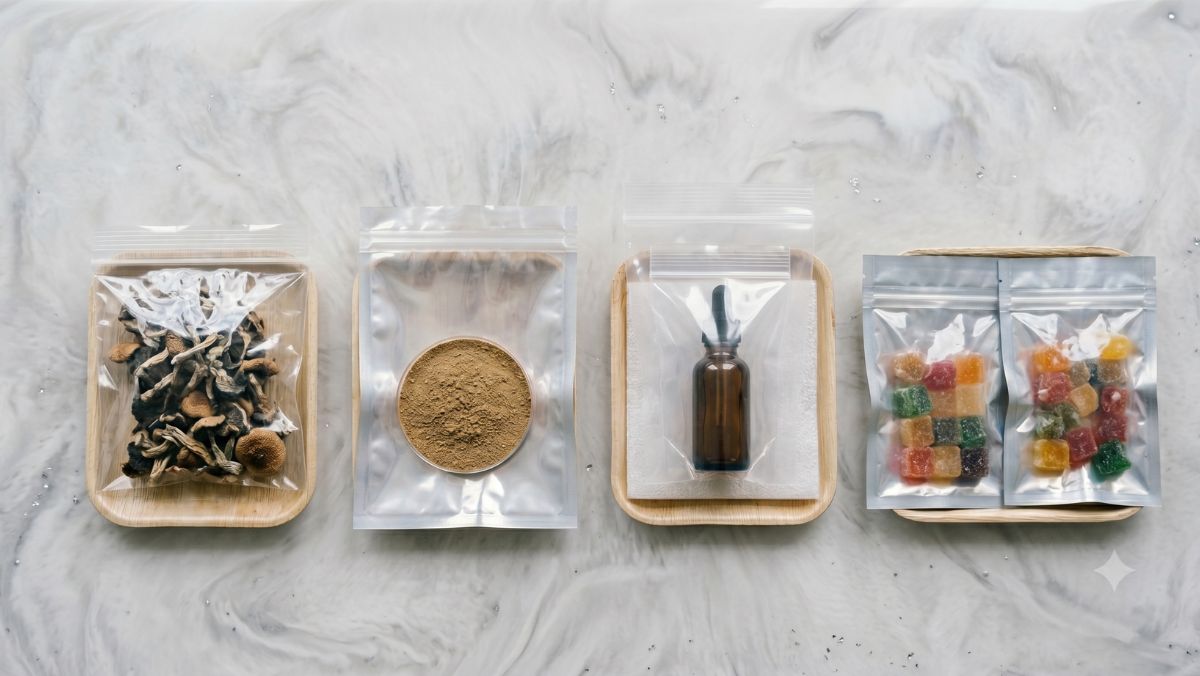
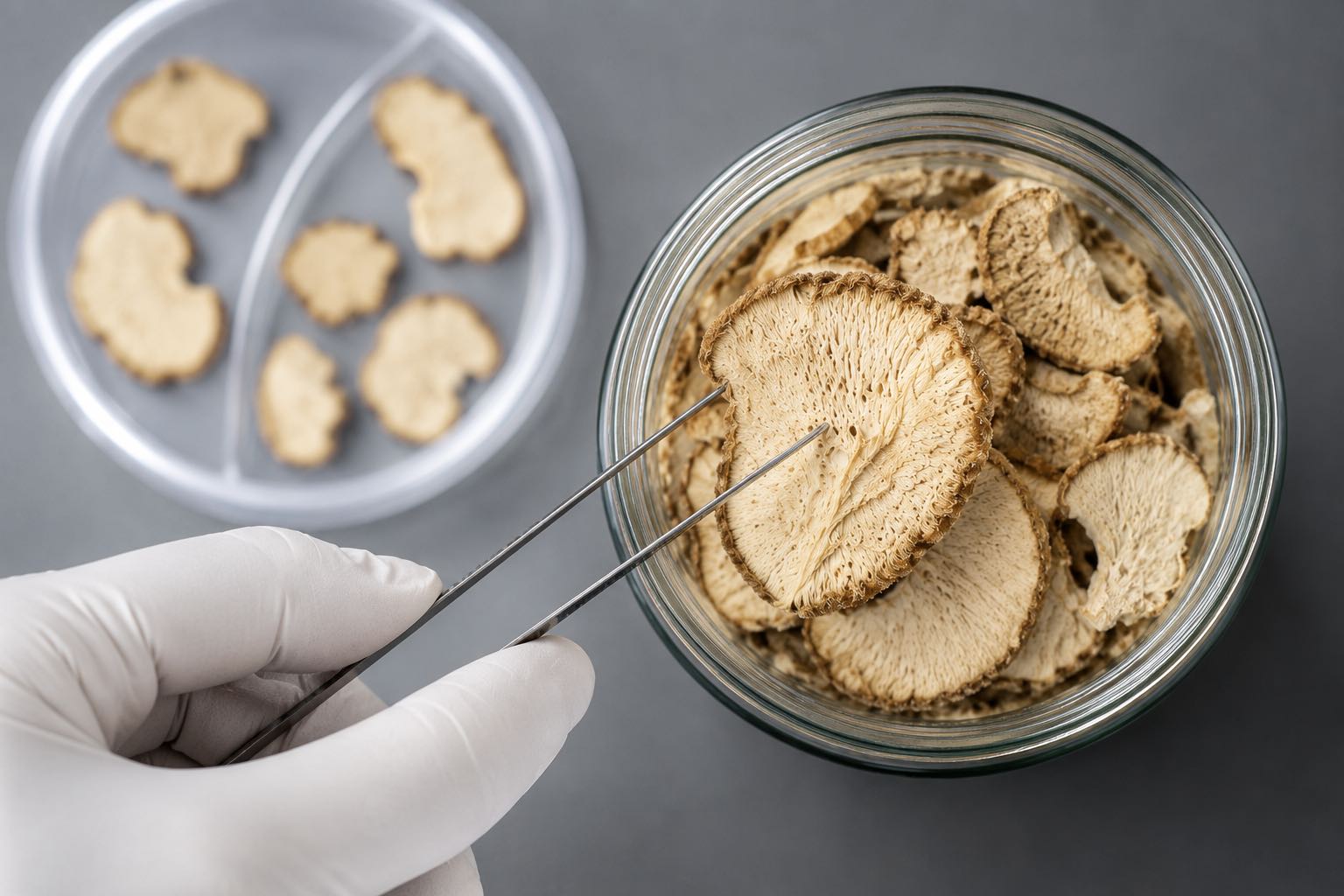
Dry Material: Thoroughly air-dry or dehydrate whole mushrooms before packaging.
Powders and Capsules Mix powders evenly before collecting the submission sample. Homogenized material improves potency consistency and contaminant screening accuracy.
Extracts and Tinctures Seal liquid extracts tightly to prevent leaking during shipping. Double-bagging liquid products adds additional protection. If using glass containers, package them carefully so they don’t break in the shipping process.
Edibles and Gummies Separate edible batches individually and avoid mixing flavors or formulations in the same container.
Sample Size:ACS Laboratory requires specific minimum sample quantities for the requested tests. Mushroom potency panels generally require at least 3 grams, while full safety and compliance panels (including contaminants) require 10 grams.
Packaging: Seal each batch sample separately in clean, airtight containers or food-grade bags. This prevents cross-contamination between different batches and protects the samples from environmental humidity.
5. Labeling
Clear labels help prevent administrative errors.
Consider labeling each container with a unique batch ID that matches the one on your order form. Include the batch number, the collection date, and your contact information. If the label is illegible or the ID doesn't match the paperwork, the lab will pause the process until you verify the identity of the material.
6. Ship the Sample
Most mushroom samples can be shipped safely at room temperature without special accommodations.
Once you're ready to ship, place the completed order form inside the box and package materials securely to minimize movement during transit.
Typically, can use USPS, UPS, or FedEx to ship samples to third-party laboratories.
Beta-Glucan Testing: Evaluates the alpha and beta-glucans responsible for immune-support claims.
Contaminant Screening:
Mushroom safety testing identifies harmful substances that may have entered the product during growth or processing.
Heavy Metals:ACS Laboratory screens mushrooms for arsenic, cadmium, lead, and mercury (standard 4-metal) or an expanded 8-metal profile.
Pesticides: We offer comprehensive panels ranging from 68 to 102 analytes to meet strict state standards, such as those in Florida and Colorado.
Microbiology & Mycotoxins: We test for E. coli, Salmonella, and various Aspergillus species, as well as toxic mold byproducts like Aflatoxins and Ochratoxin A.
Residual Solvents: For extracts and edibles, we screen for 21 chemical residues, including acetone, ethanol, and hexane.
Common Pitfalls Causing Delayed Results
Several common errors can stall the mushroom testing process and delay your time-to-market. Most preventable issues involve moisture, labeling, packaging, or documentation errors.
Missing Order Form
Incomplete order forms create traceability problems and slow sample intake. Laboratories may pause processing until they receive corrected information.
Wet Samples
Moist mushroom material can develop mold or microbial growth during shipping. Excess moisture may also alter potency measurements and compromise microbiology testing. These samples are unusable and must be discarded for safety reasons.
Insufficient Quantities
Sending less than the required 3g (potency) or 10g (full panel) may mean the lab does not have enough material to run all requested instruments.
Incorrect Packaging
Leaking tinctures, broken containers, or poorly sealed bags can contaminate neighboring samples during transit. Damaged shipments may require resubmission.
Mislabeled or Mixed Batches
Labels that do not match the order form create intake delays and increase the risk of reporting errors. Mixing multiple batches into one container also prevents accurate batch-specific analysis.
Ready to verify your mushroom product’s purity and potency? Contact ACS Laboratory today to start your mushroom testing and receive your QR code-backed COA.
FAQs about Mushroom Testing with ACS Laboratory
How do you become an ACS Laboratory client for mushroom testing?
Start by submitting a request through the "Start Testing" button on the ACS website. An account specialist will contact you to finalize your profile, provide portal access, and help you select the specific potency or safety panels required for your product line.
Does ACS Laboratory test mushroom samples from all 50 states?
ACS Laboratory accepts functional mushroom samples from across the United States, Puerto Rico, Jamaica, and additional international regions. Certain controlled-substance testing requests may require additional documentation, depending on applicable regulations and the sample type.
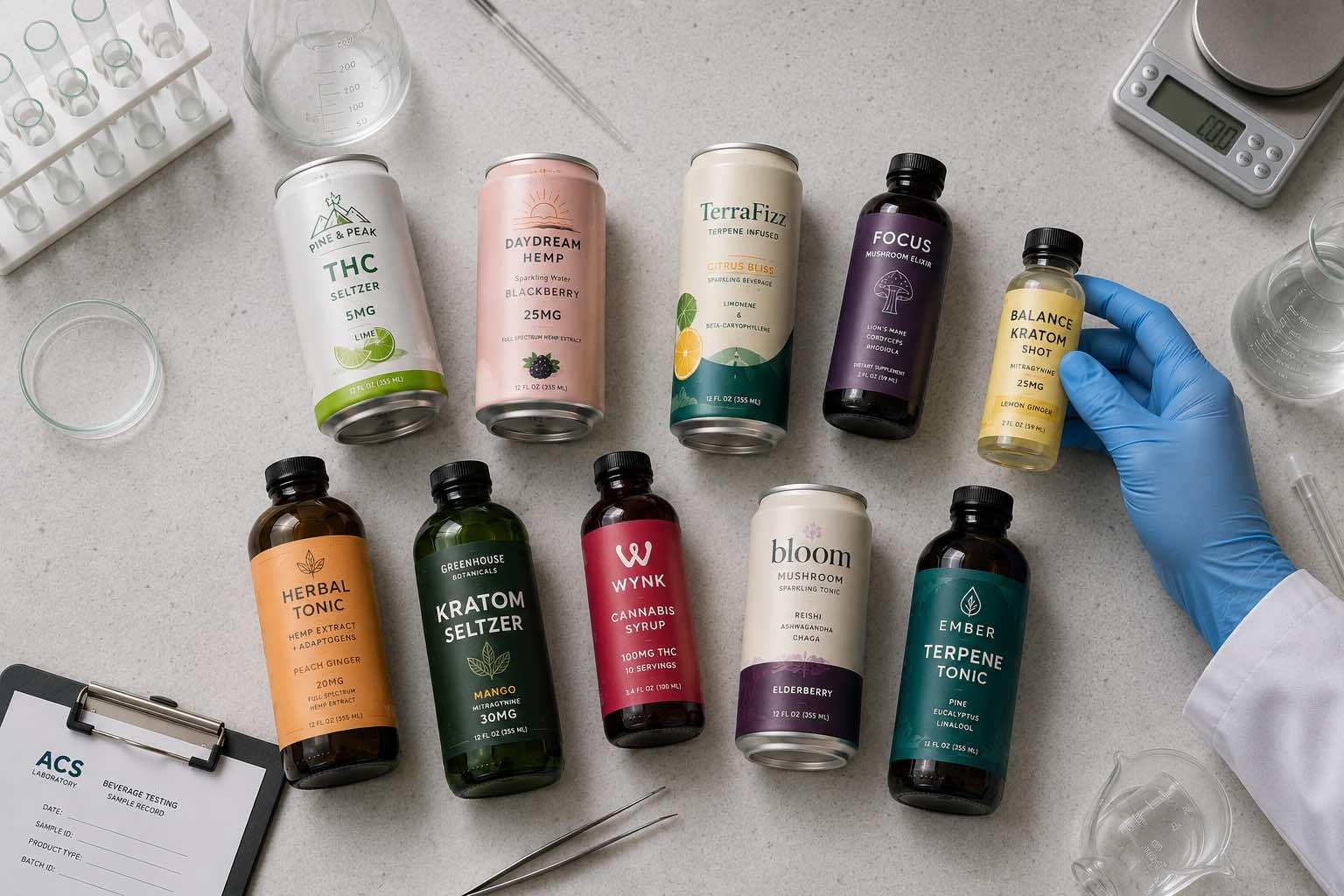
Is the submission process the same for dried fruit and finished mushroom products? The administrative process is identical, but preparation and packaging requirements differ by matrix. Dried fruit, extracts, beverages, powders, capsules, and edibles each require different handling procedures to maintain sample integrity during shipping and testing.
Additionally, the testing panels often differ. Dried fruit typically requires moisture and water activity testing. Extracts and edibles require residual solvent analysis to ensure no processing chemicals remain in the final product.
What sample sizes do you need to send for testing?
Sample requirements depend entirely on the complexity of your order. Potency-only tests usually require 3 grams of material. If you require a full safety panel—including pesticides, heavy metals, and microbiology—you must submit at least 10 grams to ensure the lab can perform all necessary extractions and analyses. Contact ACS Laboratory for more information.
Need a Test or Have a Question
Call Us at 813-670-9197 or Click to send us a message.












.png)

.png)
.png)
.png)
.png)