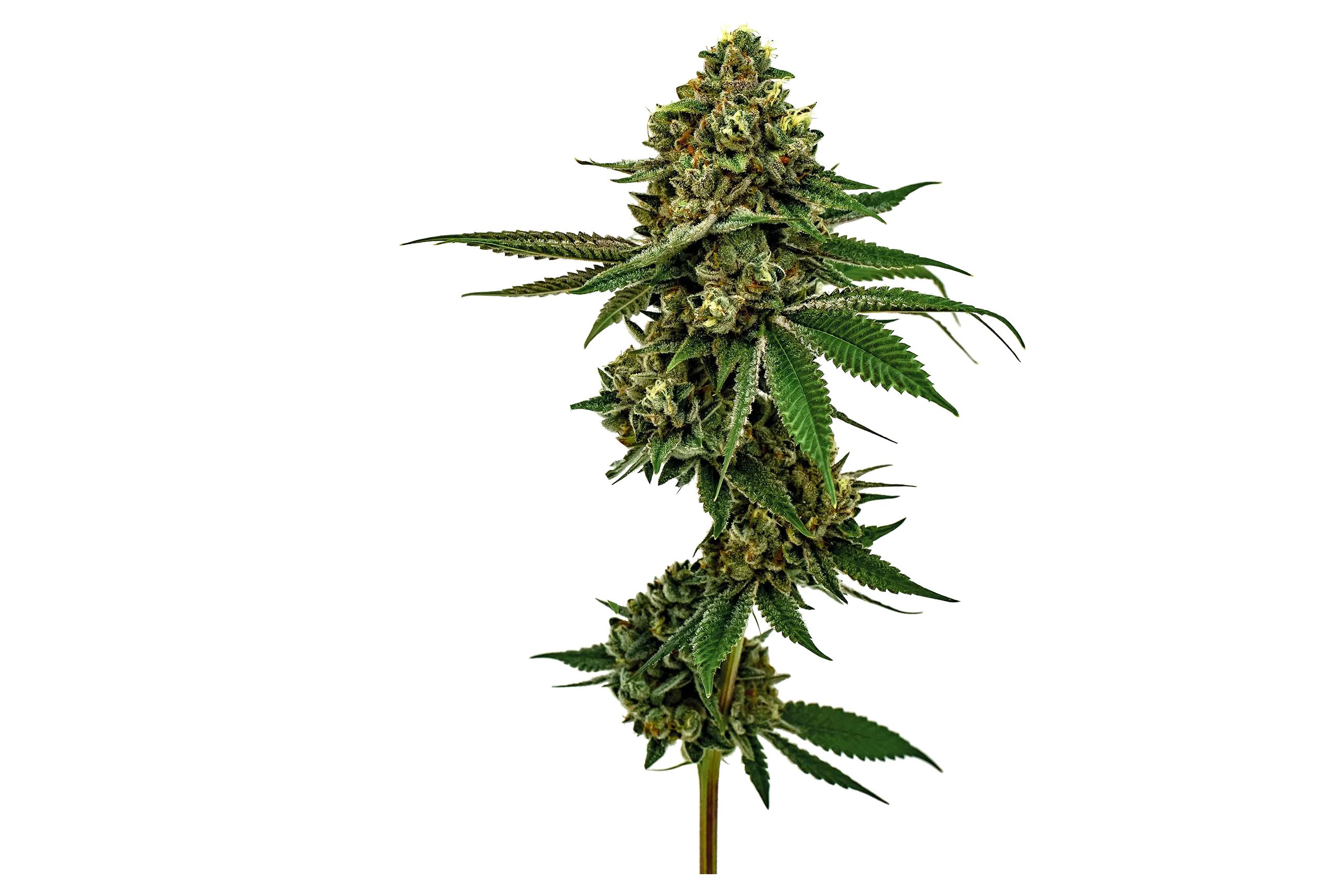
Optimal moisture balances product safety and quality, preventing issues such as terpene loss from overdrying and mold and spoilage from underdrying.
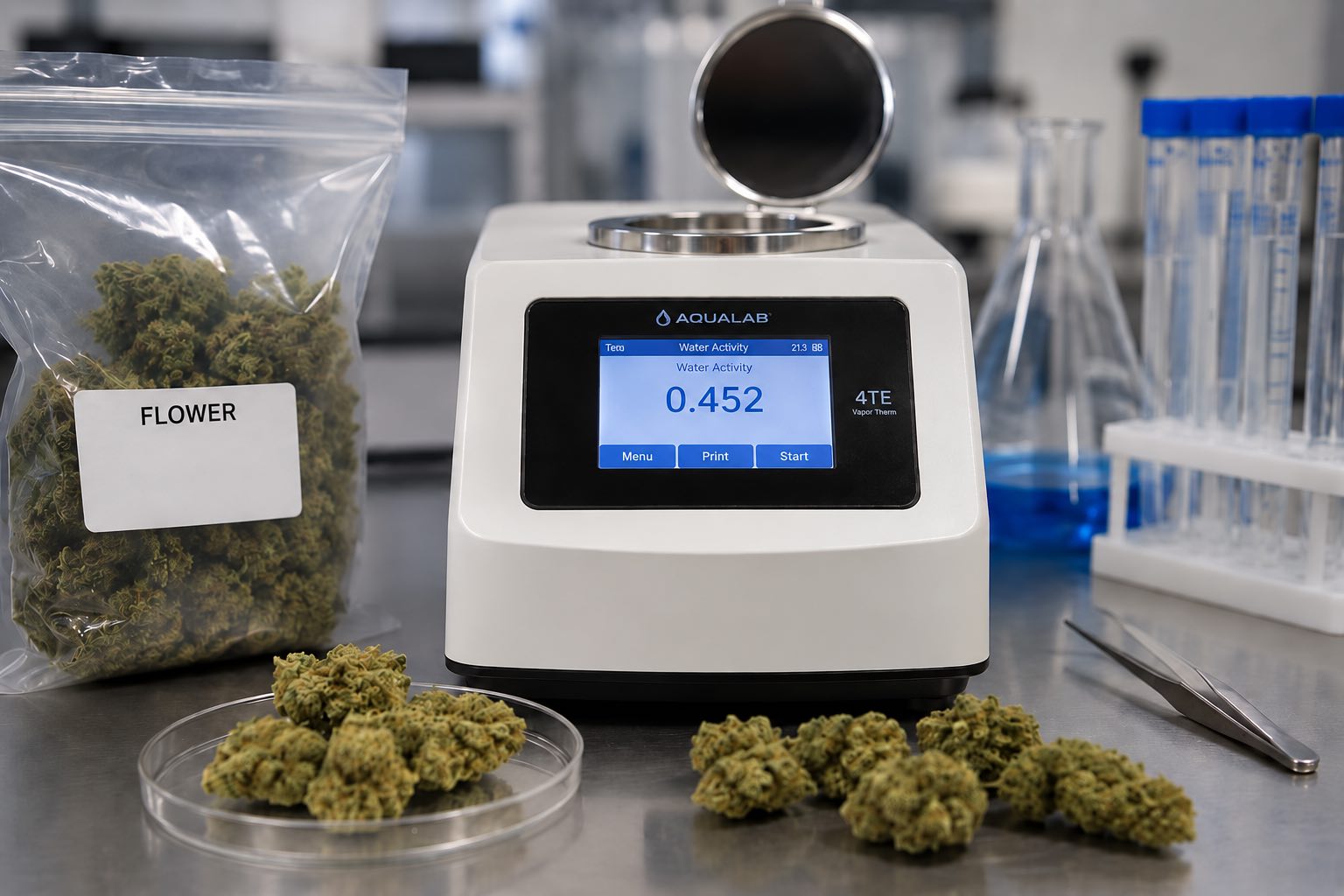
Moisture content testing tracks total water weight, whereas water activity identifies "free" water, the primary driver of chemical reactions and spoilage.
Water activity testing is a more reliable indicator of microbial risk than total moisture, as microorganisms require free, available water to survive.
Using both metrics enables manufacturers to optimize production processes, ensuring consistent potency, quality, and shelf stability.
At-a-Glance Summary
Testing water activity and moisture answers a simple but critical question: Is your product dry enough to be safe without being so dry that it loses quality and value?
Hemp products perform best within a relatively narrow moisture range. Excess moisture can create storage and safety problems. Insufficient moisture can damage product quality and reduce saleable weight.
Water activity and moisture testing with ACS Laboratory helps brands make informed decisions during drying, curing, packaging, and storage.
The Quality Risks of Overdrying and Underdrying
Moisture management affects more than compliance. It directly influences product quality, consistency, shelf life, and profitability.
Too much moisture can create an environment where mold, yeast, and other microorganisms thrive. Too little moisture can damage flower quality and reduce the weight of the flowers consumers ultimately purchase.
Overdrying can lead to:
Brittle trichomes
Terpene loss and reduced aroma
Dry, harsh flower
Reduced product weight and margin erosion
Underdrying can lead to:
Mold and microbial growth
Failed microbial testing
Product spoilage
Storage instability
Moisture content and water activity testing help manufacturers identify the optimal moisture range where products remain both safe and marketable.
Moisture Content vs. Water Activity: What Each Measurement Tells You
Moisture content and water activity measure different aspects of water within a product.
Moisture content measures the total amount of water present by weight (both bound and free).
Water activity measures how much of that water is “free” or unbound to drive microbial growth, spoilage, and chemical reactions.
Free (or unbound) water behaves like pure water, while other molecules physically or chemically trap bound water and cannot move or react freely. (source)
This distinction matters because two products can contain similar moisture levels yet behave very differently during storage. One batch may remain stable for months, while another develops mold or degrades more quickly.
Because microorganisms respond to available water rather than total water, water activity often provides a more useful indicator of product safety.
Why Moisture Content is Important But Not Sufficient
Moisture content reveals how much water is present, but it does not reveal how that water behaves.
Many moisture content methods also rely on heat-based measurements. In hemp, heat can drive off volatile compounds such as terpenes in addition to water. This can affect measurement accuracy and make comparisons between methods more difficult.
So why do labs test moisture content at all?
Moisture content helps manufacturers answer important production questions, such as:
Has the flower dried to the target moisture level?
Is the product consistent from batch to batch?
Is excess moisture likely to reduce product weight or quality?
Is the product ready for packaging and storage?
These answers help optimize product quality, but they do not tell the whole story about a product’s microbial risk.
Why Water Activity Predicts Microbial Risk
Mold, yeast, and bacteria need available water to grow. Water activity testing measures how much of the water inside a product is available to support microbial growth.
As water activity increases, the risk of microbial contamination generally increases as well. This makes water activity an important tool for evaluating product safety during storage.
This makes water activity an important control point during:
Drying and curing
Bulk storage
Finished product packaging
Transportation through changing climates
Environmental humidity can change throughout the supply chain. Packaging materials can also allow moisture to enter or leave a product over time. Water activity helps manufacturers understand what is happening inside the product itself, where microbial growth occurs.
How Water Activity Supports Shelf Life and Stability
Water activity testing is also an important analysis to determine how well a product maintains its quality during storage.
Products naturally change over time. Terpenes evaporate, active compounds degrade, and physical characteristics shift as moisture levels change. Products stored outside an appropriate moisture range often experience these changes more rapidly.
Maintaining proper water activity helps brands:
Preserve terpene profiles
Support potency retention over time
Maintain visual and structural integrity
Reduce moisture-driven weight loss
Improve batch-to-batch consistency
These benefits become increasingly important as products move through storage, distribution, and retail environments before reaching consumers.
How ACS Laboratory Supports Water Activity and Moisture Testing
The team uses advanced analytical methods to generate precise, repeatable results that support product development, quality assurance, and compliance programs. Clients use these data to guide drying decisions, evaluate packaging performance, support shelf-life planning, and improve product consistency.
ACS Laboratory accepts hemp samples from growers, processors, manufacturers and retailers nationwide.
The Bottom Line
Moisture content and water activity measure different aspects of product quality, but both play an important role in long-term performance.
Together, these measurements help manufacturers reduce microbial risk, preserve product quality, extend shelf life, and make more informed decisions about production, packaging, and storage.
Contact ACS Laboratory to learn more about water activity and moisture testing services.
Need a Test or Have a Question
Call Us at 813-670-9197 or Click to send us a message.













.png)

.png)
.png)
.png)
.png)