The modern hemp market offers a vast selection of psychoactive cannabinoids that provide functional alternatives to traditional cannabis. Intoxicating cannabinoids like Delta-8, Delta-10, Delta-9, HHC, THCO, and THCP each produce distinct effects, ranging from mild, calming highs to intense, long-lasting, and sometimes psychedelic-like experiences.
Understanding how hemp alternative cannabinoids compare comes down to three core factors: how they are produced, how strongly they interact with the body (aka potency), and how those differences translate into real-world effects.
What Are Alternative Cannabinoids?
Alternative cannabinoids (alt cannabinoids) encompass a broad range of hemp-derived and lab-created substances that offer psychoactive experiences similar to Delta-9 THC.
Many of these compounds occur naturally in hemp in trace amounts. However, producers often use chemical conversion to reach the concentrations necessary for retail products.
Today, alternative cannabinoids play a central role in the rapidly evolving hemp industry. They are widely available through online retailers, local dispensaries, and smoke shops in familiar formats like vapes, gummies, tinctures, beverages, and infused flower. This accessibility has driven strong consumer interest, even as shifting regulations shape the market's uncertain future.
What are the Most Popular Hemp Cannabinoids?
A handful of cannabinoids dominate the intoxicating hemp market. These compounds show up across most products and define how people experience hemp-derived highs today.
- Delta-9 THC (Delta-9 tetrahydrocannabinol): Produces the classic, full-strength cannabis high depending on the dose.
- Delta-8 THC (Delta-8 tetrahydrocannabinol): Known for a calmer, more relaxed high with reduced intensity.
- Delta-10 THC (Delta-10 tetrahydrocannabinol): Delivers a lighter, more uplifting and energizing effect.
- HHC (hexahydrocannabinol): Offers a smooth, longer-lasting experience with moderate potency.
- THCOA (tetrahydrocannabinol acetate): Known for stronger, slower-building, and more immersive effects.
- THCP (tetrahydrocannabiphorol): Stands out for its high potency and amplified effects.
Alternative Cannabinoids Comparison at a Glance
What is Delta-9 THC?
Hemp-derived delta‑9 THC is chemically the same psychoactive compound as delta‑9 THC from traditional cannabis. Its effects, therefore, mirror those of regular THC. However, it occurs in very small amounts in hemp plants. Most hemp products either use concentrated Delta-9 or combine it with other alt cannabinoids, such as Delta-8 and THCP, to enhance overall effects.
How it Produces its Effects
Delta-9 interacts with the body through the endocannabinoid system (ECS), a network that helps regulate mood, memory, pain, and stress.
Within this system are cannabinoid receptors—primarily CB1 receptors in the brain and central nervous system, and CB2 receptors in the immune system. Delta-9 acts as a partial agonist, meaning it activates these receptors and triggers the effects most people associate with THC.
Delta-9 THC Experience
Hemp-derived Delta 9 THC triggers specific physiological responses by binding directly to CB1 and CB2 receptors. This chemical interaction initiates a sequence of predictable mental and physical shifts. (source)
- Euphoria generates a significant lift in mood and emotional state.
- Sensory enhancement intensifies the perception of colors, sounds, and textures.
- Physical heaviness creates a notable relaxation throughout the limbs and torso.
- Cognitive slowing alters the internal processing of time and memory.
Concentrated doses produce a potent high. The impact depends entirely on the specific concentration and the individual's unique receptor sensitivity.
Molecular Structure
Hemp-derived Delta 9 THC’s molecular structure consists of a tricyclic (three-ring) 21-carbon chain with a characteristic double bond at the ninth carbon position. (source) This arrangement classifies it as a neutral phytocannabinoid.
Cannabinoid Type: tetrahydrocannabinol
How is Hemp D9 Made?
Manufacturers typically produce hemp Delta-9 products through two primary methods:
- Direct extraction pulls naturally occurring THC from large volumes of hemp biomass using CO2 or ethanol.
- Isomerization chemically converts hemp-derived CBD into Delta 9 THC using heat and acidic catalysts.
Common Product Types
- Infused edibles like gummies, chocolates, and hard candies.
- Beverages including seltzers, shots, and non-alcoholic cocktails.
- Tinctures and oils designed for sublingual or oral use.
- Vaporizer cartridges containing concentrated hemp distillates.
- Concentrates like live resin, badder, shatter and wax
What Is Delta-8 THC?
Delta-8 THC is a hemp-derived cannabinoid found in cannabis plants in trace amounts. It sits within an intoxicating category of alternative cannabinoids that have revolutionized the modern hemp market.
Most Delta-8 THC products are semi-synthetic, created by converting hemp-derived CBD into Delta-8. These products deliver psychoactive effects similar to Delta-9 THC, but with distinct differences in intensity.
Delta-8 THC Experience
Delta-8 THC produces a mild psychoactive experience that many describe as calming and euphoric. It can reduce nausea, improve sleep, and offer several of the known therapeutic effects associated with THC. (source)
Research and consumer reports point in a consistent direction. In one study, 71% of participants reported relaxation, 68% experienced euphoria, and more than half noted pain relief. (source)
Delta-8 Compared to Delta-9
Delta-8 THC binds less strongly to CB1 receptors in the brain, which makes it less potent than Delta-9 THC. (source) Many people describe Delta-8 as a smoother, more subdued experience with indica-like, relaxing effects.
- Controlled human studies show intoxicating and therapeutic effects increase with dose. However, Delta-8 remains less potent than Delta-9 on a per milligram basis. (source)
- Dose comparisons in these studies show that around 40 mg of Delta-8 (oral or vaporized) can produce effects similar to about 20 mg of Delta-9, including a comparable sense of enjoyment.
- Survey data show anxiety and paranoia still occur, but tend to be milder than with Delta-9 THC.
Molecular Structure
Delta-8 THC and Delta-9 THC share the same molecular formula but differ in structure. Both contain a double bond, but its position changes:
- Delta-8: double bond on the 8th carbon chain
- Delta-9: double bond on the 9th carbon chain
This small structural difference influences receptor binding and helps explain the variation in potency.
Cannabinoid type: THC isomer (structural variant of THC)
How Are Delta-8 Products Made?
Most Delta-8 is produced through isomerization, a chemical process that converts hemp-derived CBD into Delta-8 THC. Processors use solvents (such as heptane) and acids to rearrange CBD’s molecular structure into Delta-8.
Common D8 Products
- Vape cartridges
- Distillate syringes
- Tinctures and oils
- Concentrates
- Gummies and edibles
- Beverages
- Hemp flower infused with Delta-8 distillate
If you’re producing or selling Delta-8 products, don’t assume the conversion process is clean — get a full panel hemp test for residual solvents, acids, and potency.
What Is Delta-10 THC?
Delta-10 THC is a naturally occurring intoxicating hemp cannabinoid found in trace amounts as plants age and degrade. Because the plant produces far too little for direct extraction, manufacturers must chemically convert hemp-derived CBD into Delta-10 to create the products found on store shelves.
Delta-10 THC Experience
Delta-10 is widely known for its "sativa-like" effects, offering a cerebral and energizing buzz. People often choose Delta-10 over Delta-8 when they want to stay active, social, or productive without the physical "couch-lock" or mental fog associated with more sedative cannabinoids.
How Delta-10 Compares to Delta-9
Delta-10 offers a much lighter psychoactive effect and significantly less potency than classic Delta-9 THC. It provides euphoria and increased focus and stimulation without the paranoia and anxiety some report from Delta-9.
Molecular Structure
Delta-10 is a THC isomer, meaning it shares the same chemical parts as Delta-9 but arranges them differently. While Delta-9 features a double bond on its ninth carbon ring, Delta-10 moves that bond to the tenth ring.
How Are Delta-10 Products Made?
To produce Delta 10 at scale, manufacturers follow these steps:
- Extraction pulls CBD from raw hemp using solvents.
- Chemical conversion uses acids to shift the CBD molecules into Delta-10.
- Refinement cleans the final distillate for use in various products.
Common D10 Products
- Inhalables like vape cartridges, disposable pens, and "sprayed" hemp flower.
- Edibles, including gummies, lollipops, and infused chocolates.
- Concentrates such as dabbing syringes and shatter.
- Tinctures for measured oral dosing.
What Is HHC?
HHC (hexahydrocannabinol) is a modified form of Delta-9 THC made by adding hydrogen to the molecule. It does not naturally occur in hemp or cannabis plants. Instead, manufacturers create HHC from hemp extracts using a process called hydrogenation.
HHC Experience
HHC fans report a gradual, euphoric high followed by a smooth, calming experience. Many say it produces a less energetic effect than typical sativas and is more cerebral and other-worldly.
HHC Compared to Delta-9
Consumers say that HHC induces less potent psychoactive effects than conventional Delta-9 THC. Still, some say HHC lasts much longer than Delta-9 (up to 12 hours).
Molecular Structure
HHC is not a tetrahydrocannabinol like Delta-8, Delta-9, or Delta-10. It belongs to a different chemical class, hexahydrocannabinol.
The HHC molecule has no double carbon bonds and is completely saturated, or fully hydrogenated. The hydrogen molecules in HHC make it more stable, allowing products to withstand oxidation, heat, and ultraviolet light better than THC.
Molecule Type: Hydrogenated derivative of THC. Also considered a THC analog compound.
How Are HHC Products Made?
HHC is typically made from Delta-8 THC through a process called hydrogenation. Producers start with hemp-derived CBD, which they convert to Delta-8. Then they use two active catalysts (typically heavy metals) to break the double bonds in Delta-8 THC and insert two hydrogen atoms, converting it to HHC.
Popular HHC Products
- Edibles and gummies
- Vapes
- Distillate
- Infused flower and pre-rolls
- HHC tinctures
- Concentrates
- Topicals (creams, salves, balms)
What Is THCOa (also called THCO)?
THCOA (tetrahydrocannabinol acetate), also called THCO or THC-O, is a chemically modified form of THC created by adding an acetate group to the molecule. It does not naturally occur in hemp or cannabis plants. Instead, manufacturers produce THCOA from THC extracts using a chemical process called acetylation.
THCO Experience
THCO is an incredibly potent cannabinoid that produces intense euphoria and viscerally relaxing effects. Many consider THCO more of an evening substance because of its physically sedating properties. In larger doses, some say THC-O can be borderline psychedelic with potent couch-lock effects.
THCO Compared to Delta-9
THCO is a more potent analog of Delta-9 THC, meaning its psychedelic effects can be more intense. It takes longer to kick in, but the consensus says that THCO is around three times more potent than traditional Delta-9 THC. Some claims suggest that THCO is more bioavailable than other forms of THC, meaning more THCO makes it to the bloodstream more easily.
Molecular Structure
Commercial THCO products typically share the same base structure as Delta-8 THC. However, THCO is an acetylated version of Delta-8, produced by reacting Delta-8 with acetic anhydride, a highly flammable, colorless liquid used to make fibers, plastics, pharmaceuticals, and dyes.
Molecule Type: Acetylated derivative of THC. Also considered a THC analog.
How Are THCO Products Made?
Manufacturers synthesize THC-O through a chemical process. First, they start with hemp-derived Delta-8 or Delta-9 THC. Then they combine the THC molecules with acetic anhydride to convert Delta-8 to THC-O.
THC-O Products
Most THC-O formulas feature a blend of other hemp-derived cannabinoids and mainly include:
- Vape cartridges and disposables
- Gummies and edibles
- Distillate
- Concentrates
- Infused beverages
- Tinctures and oils
What Is THCP?
THCP (tetrahydrocannabiphorol) is a THC analog with a slightly different structure than Delta-9 THC. One scientific paper indicates THCP occurs naturally in cannabis, but the verification came from a synthetic sample, so not all experts agree.
THCP Experience
THCP is one of the most potent THC analogs available today. Most say the effects are similar to Delta-9 THC, only stronger and more stimulating.
Some even describe the THCP experience as “psychedelic-like,” saying it can amplify sounds and colors. This is an uncommon effect with traditional THC.
THCP Compared to Delta-9
One paper found that THCP exhibited 30x higher CB1 binding affinity than Delta-9. This discovery suggests that THCP could have significantly more potent effects than standard THC.
Molecular Structure
THCP has a similar molecular structure to THC isomers like Delta-9, Delta-8, and Delta-10. However, these THC isomers have five-carbon alkyl side chains, while THCP has a seven-carbon side chain.
According to the Italian report, the two additional atoms might explain THCP’s stronger binding affinity and effects.
Cannabinoid Type: THC homolog
How THCP Products Are Made
THCP products are fully synthetic, according to chemist Dr. Mark Scialdone of BetterChem Consulting. In a Cannigma article, Dr. Scialdone said:
“THCP can be directly synthesized in a chemical reaction called a terpenylation of 5-heptyl resorcinol (the 7-carbon analog to 5-pentyl resorcinol aka olivetol) with an oxygenated derivative of limonene called PMD in processes described in the chemical literature vide infra.”
Put simply, THCP is made in a lab using specific chemical building blocks designed to produce it.
Available THC-O Products
- Tinctures and oils
- Distillate
- Vape cartridges
- Gummies
- Concentrates
- Infused flower and pre-rolls
Other Alternative Cannabinoids (lesser known)
Lesser-known alternative cannabinoids include a broad category of hemp derivatives that vary significantly in potency and structure.
- 6a,7,8,10a-tetrahydro-6H (Delta 3) is as a rare isomer that occurs in low concentrations and offers a much milder effect than common THC.
- HHC-O (hexahydrocannabinol acetate) and HHC-P (hexahydrocannabiphorol) are synthetic "acetate" and "phorol" versions of HHC that provide enhanced stability and significantly higher potency.
- THC-H (tetrahydrocannabihexol) and THC-B (tetrahydrocannabutol) are hexyl and butyl tetrahydrocannabinols that bind more effectively to brain receptors than standard THC because they possess longer six and four-carbon side chains.
- THC-JD (tetrahydrocannabioctyl) is a semi-synthetic octyl tetrahydrocannabinol with an eight-carbon side chain that may bind more strongly to cannabinoid receptors than Delta-9 THC and is often marketed as significantly more potent.
Are Alt Cannabinoids Available on the Market? (Regulations)
Yes, alternative cannabinoids like Delta-8 THC, Delta-10, THCA, and THCP remain on the market as of early 2026.
However, last year’s federal hemp redefinition sets the stage for significantly tighter restrictions on these products. The Drug Enforcement Administration has also clarified that compounds like Hexahydrocannabinol and THC-O do not qualify as hemp, which places many currently available products at risk under federal interpretation.
Brands and consumers exist in a narrowing window where availability does not equal long-term stability. Future access will depend on how federal agencies finalize and enforce these definitions.
What to Expect for Alt Cannabinoids in 2026 and Beyond
For years, the industry lived by the 2018 Farm Bill’s "0.3% Delta-9" rule. That could end on November 12, 2026, if the Continuing Appropriations and Extensions Act takes effect.
Between now and then, there is a massive lobbying push to delay this "cliff" until 2028, but as it stands, the law changes the definition of "Hemp" in three ways:
- Total THC, Not Just Delta-9: To be legal hemp, a product must now stay under 0.3% Total THC. This includes Delta-9, THCA, Delta-8, and other intoxicating isomers. You can no longer "hide" potency behind a different chemical name.
- The 0.4mg "Kill Switch": Even if a product is under 0.3%, it is now subject to a 0.4mg Total THC limit per container. This is the end of high-dose hemp edibles. A single 10mg gummy is now federally classified as "Marijuana."
- The "Natural Only" Rule: The law now explicitly excludes cannabinoids that are synthesized outside the plant (like D8 or HHC made from CBD). If a lab was involved in the conversion, it isn't hemp.
To implement the changes, Congress directed the Food and Drug Administration (FDA) to create a list of synthetic, THC-Class cannabinoids and natural cannabinoids. That deadline was February 10, 2026, but nothing has been published in the Federal Register.
Without the FDA’s official definitions, it is technically impossible to know with 100% certainty how the government will classify the alt cannabinoids consumers know and love.
Where the DEA Stands on Alt Cannabinoids
The Drug Enforcement Administration (DEA) now views most "alt-cannabinoids" as Schedule I controlled substances. However, it has only issued explicit guidance on a limited number of cannabinoids.
HHC (Hexahydrocannabinol)
The DEA formally clarified that HHC is a synthetic cannabis compound and is federally banned. It does not count as legal hemp because it is generally manufactured via chemical hydrogenation of CBD or delta-8/delta-9 THC.
THC-O-Acetate (THC-O)
The DEA stated in 2023, and continues to maintain, that THC-O does not occur naturally in the cannabis plant and must be produced synthetically using acetic anhydride. In other words, it considers THCO a Schedule 1 Controlled Substance.
Delta-8 THC and Delta-10 THC
The DEA has said that cannabinoids produced through CBD conversion fall outside the hemp definition. However, federal courts have interpreted hemp-derived cannabinoids differently. This tension keeps both compounds in a regulatory gray area for now.
THCA (Tetrahydrocannabinolic Acid)
The DEA acknowledges that THCA occurs naturally in the plant. However, the agency has stated that THCA may not qualify as hemp because it converts into delta-9 THC when heated and must be included in total THC calculations. This means high THCA products often exceed the 0.3% limit.
The Bottom Line: Are Hemp-Derived Cannabinoids Safe?
Hemp-derived cannabinoids are often well tolerated. However, safety depends on how they are made, tested, and used.
Many products rely on chemical conversion or full synthesis, which can introduce residual solvents, acids, or unknown byproducts if not properly refined. Independent lab testing screens for these contaminants to ensure they remain below regulated safety limits.
Hemp cannabinoid side effects also vary widely by compound and dose. For example, higher-potency cannabinoids can increase the risk of anxiety, impaired coordination, and overconsumption.
Another safety concern across the market is formula inconsistency. Products may be mislabeled or contain cannabinoids other than those advertised, making dosing unpredictable.
Safe use starts with verified lab potency and purity results, clear labeling, and appropriate dosing.
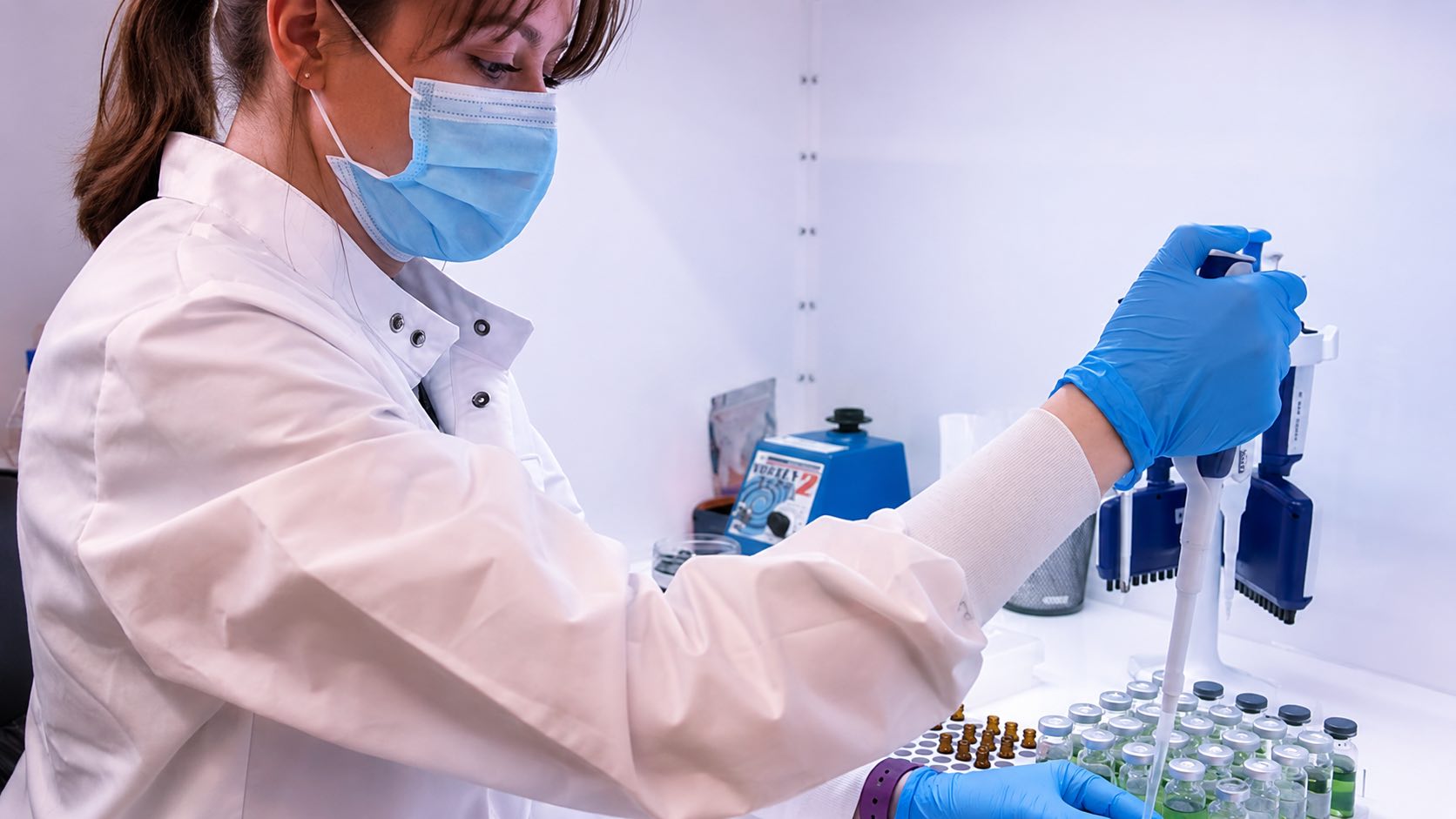
At ACS Laboratory, we test Delta-8, Delta-10, HHC, HHCP, and THCP for potency and chemical contaminants. Contact us to learn more about our alternative cannabinoid testing.
FAQs
What are the best alternative cannabinoids?
The “best” alternative cannabinoids depend on the desired effect and tolerance level. Delta-8 (Delta-8 tetrahydrocannabinol) offers a milder high experience, while THCP (tetrahydrocannabiphorol) and THCOA (tetrahydrocannabinol acetate) provide much stronger, more intense effects. HHC (hexahydrocannabinol) offers a longer-lasting, moderate experience, and Delta-10 (Delta-10 tetrahydrocannabinol) is preferred for lighter, more energizing effects.
What products exist? Most popular?
Hemp cannabinoids appear in vapes, gummies, tinctures, beverages, concentrates, and infused flower. Vape cartridges and disposables remain the most popular due to convenience, dosing control, and fast onset.
Are alternative hemp cannabinoids synthetic?
Some cannabinoids occur naturally in trace amounts, while others are semi-synthetic or fully synthetic. Many commercial products rely on chemical conversion or lab-based methods to produce usable quantities.
Are alternative cannabinoids safe?
Safety depends on manufacturing quality, lab testing, and dosing. Unregulated products may contain contaminants or incorrect cannabinoid levels, which makes verified testing essential.
What alternative routes of administration exist for hemp cannabinoids?
Common routes include inhalation (vapes, flower), ingestion (gummies, beverages), and sublingual use (tinctures). Topicals and capsules also exist, though they are less common for intoxicating effects.
Do hemp hearts contain cannabinoids?
Hemp hearts come from seeds and do not naturally contain cannabinoids like THC or CBD. They may contain trace contamination from plant material, but not enough to produce effects.
Do hemp seeds contain cannabinoids?
Hemp seeds do not produce cannabinoids because they lack the resin-producing structures found in the plant’s flowers. Any detected cannabinoids typically result from surface contamination during processing.


.jpg)


.png)



.png)
.png)
.png)
.png)

