Infused beverages require specialized testing to verify potency, screen for contaminants, and confirm consistent performance throughout their shelf life.
Complex formulations and nanoemulsions make infused beverages more difficult to test than many other botanical products, requiring validated methods and careful sample preparation.
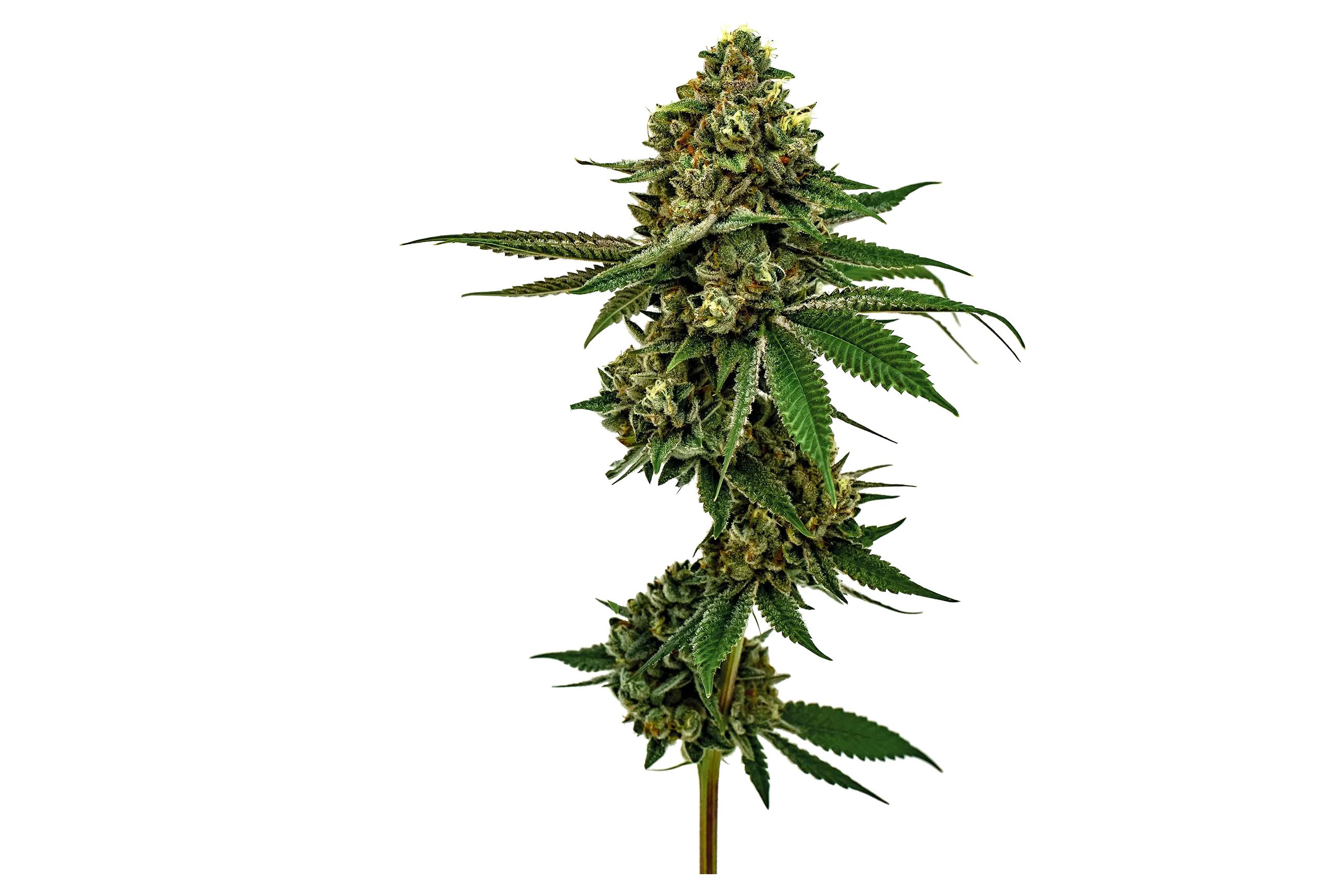
Hemp, cannabis, mushroom, and kratom beverages each require testing methods tailored to their unique ingredients, formulations, and regulatory requirements.
Accurate beverage testing with ACS Laboratory helps brands deliver safe, consistent products while supporting compliance and consumer confidence.
At-a-Glance Summary
Infused beverages are one of the fastest-growing product formats across the hemp, cannabis, mushroom, and kratom markets. These drinks, infused with active ingredients like THC, promise fast onset and precise dosing. However, they also introduce complex formulation and safety challenges.
Beverage testing with a third-party hemp laboratory is the only way to ensure that infused drinks are free of contaminants and maintain consistent active compound levels throughout.
ACS Laboratory tests cannabinoid infused hemp beverages, mushroom elixirs, and kratom drinks from all 50 states. It helps brands meet regulatory requirements and build consumer trust in one of the industry’s most technically demanding categories.
What Are Infused Beverages?
Infused beverages are drinks that contain active botanical compounds such as cannabinoids, kratom alkaloids, functional mushroom compounds, or other plant-derived ingredients. They are complex mixtures of water, oils, sugars, acids, emulsifiers, preservatives, flavorings, and colorants.
Depending on the product, those compounds may include:
Cannabinoids: CBD, THC, CBG, CBN, CBC, and other cannabinoids
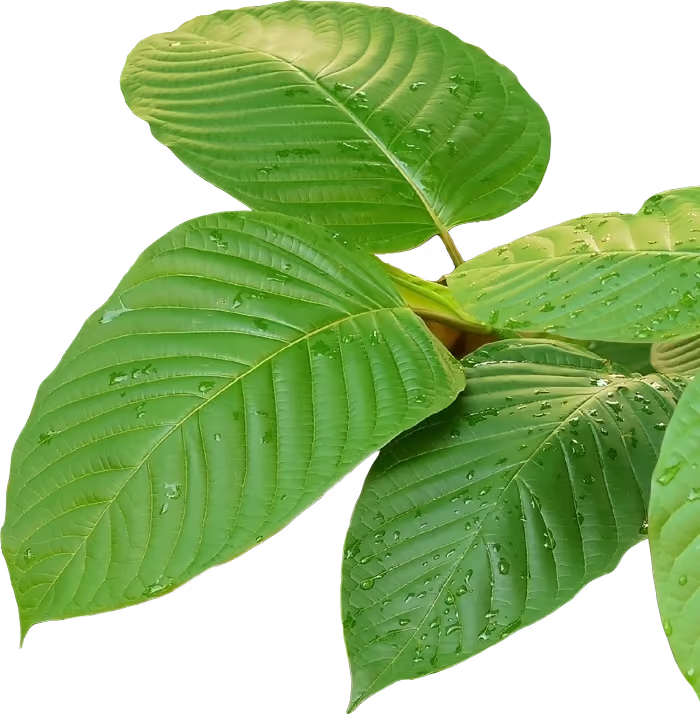
Kratom compounds: mitragynine, 7-hydroxymitragynine, speciociliatine, paynantheine, and speciogynine
Functional mushroom compounds: cordycepin, adenosine, erinacine A, hericerin, ganoderic acids, betulin, betulinic acid, lupeol, and tryptophan
Formulation Risks
Formulating beverages is incredibly difficult due to the natural chemistry of cannabinoids: (source)
The Oil-and-Water Problem: Cannabinoids (like THC and CBD) are highly lipophilic (fat-soluble/hydrophobic) and naturally resist mixing with water. To put them in a drink, manufacturers must create complex chemical emulsions.
Rapid Degradation: Cannabinoids in liquid solutions are highly unstable. In stability studies, cannabinoids like THC and CBD degraded rapidly within just 3 to 7 days of storage.
Precipitation and Packaging Binding: Over time, the cannabinoids can fall out of the liquid emulsion (precipitate) or bind directly to the inner lining of the aluminum cans or plastic bottles. Because the cannabinoids get stuck to the packaging or degrade, the actual active THC/CBD left in the liquid is often much lower than what was initially infused and printed on the label.
Liquids also have contamination risks, including mold growth and heavy metal contamination. Packaging materials, raw ingredients, and storage conditions can all affect microbial growth, making thorough safety screening essential. (source)
What Beverage Tests Measure
Beverage testing verifies that infused drinks work as intended. At a basic level, lab panels confirm three important quality measures:
the drink contains the amount of active compounds listed on the label
it does not contain harmful contaminants
it performs consistently throughout its shelf life.
Product Types That Require Beverage Testing
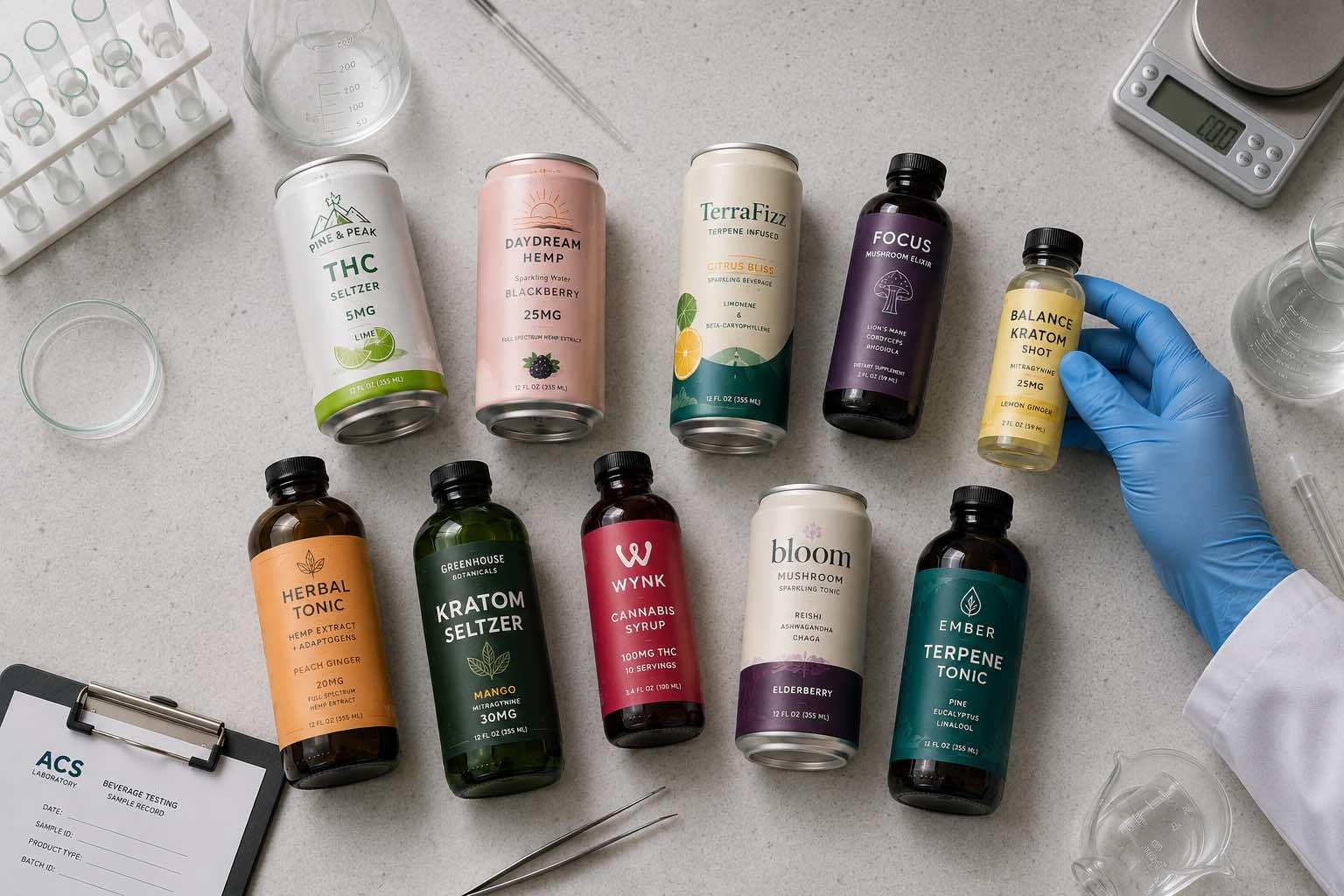
Products that require beverage testing include a wide range of infused drink formats, including:
cannabis beverages such as THC seltzers and syrups
hemp-derived drinks formulated to meet Farm Bill requirements
terpene-infused beverages designed for flavor and experience
functional mushroom elixirs and wellness drinks
kratom-infused seltzers, shots, and syrups
Each category presents different potency ranges, stability risks, and regulatory considerations. Labs must tailor methods to the specific matrix rather than applied generically across product types.
Why Beverages Are Challenging to Test
Testing an infused beverage is more complicated than testing flower, gummies, or many other botanical products. That's because beverages contain a complex mixture of ingredients that can interfere with laboratory analysis.
Laboratories must first separate the target compounds from everything else in the beverage before measuring potency. That process becomes even more difficult when products use nanoemulsions.
Nanoemulsions improve stability, keep oil-based compounds evenly distributed throughout the beverage, and may improve absorption. However, they are harder to test because laboratories must first separate the active compounds from the microscopic droplets before accurately measuring potency. Testing methods that work for traditional formulations may not produce reliable results for nano-formulated beverages unless they have been properly validated.
Accurate results depend on validated testing methods, careful sample preparation, and instruments sensitive enough to measure active compounds without interference from the beverage itself.
ACS Laboratory’s Core Beverage Testing Panels
Comprehensive beverage testing with ACS typically includes several key analyses.
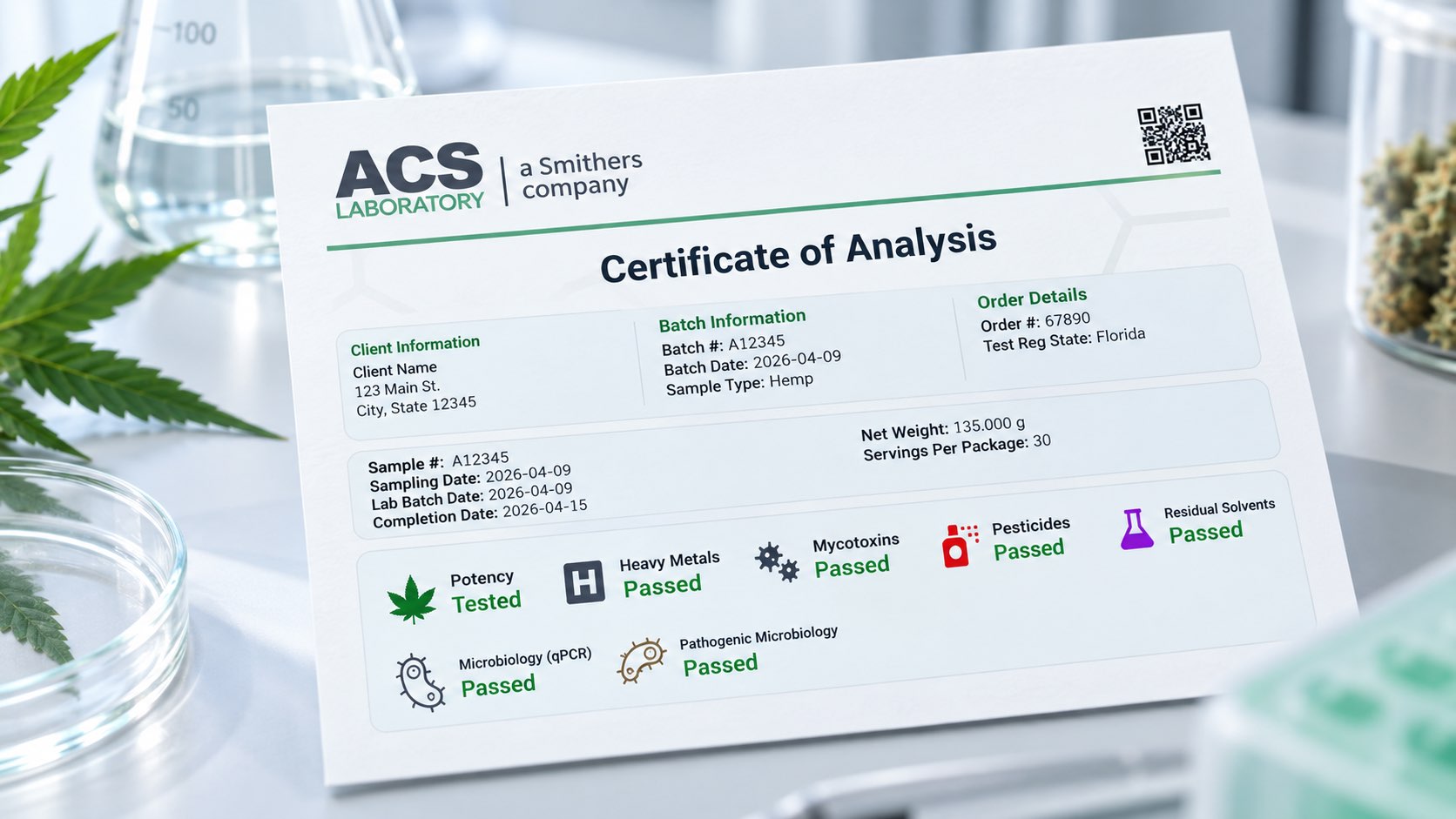
Potency testing measures the concentration of cannabinoids, mushroom compounds, or kratom alkaloids to confirm label accuracy and consistent dosing.
Purity and compliance testing screens for contaminants such as residual solvents, pesticides, heavy metals, mycotoxins, and microbiological hazards. These tests protect consumer safety and support regulatory compliance across state and federal frameworks.
Stability and shelf-life testing evaluate how potency and formulation hold up over time. This testing helps brands determine appropriate expiration dates and identify formulation weaknesses before products reach the market.
Terpene and flavonoid analysis supports flavor consistency, batch-to-batch reliability, and product education while helping brands substantiate experiential claims.
Why Testing Methodology Matters
Not all laboratories are equipped to test beverages accurately. Liquid matrices require matrix-specific validation to ensure analytical methods work correctly for each formulation type. Without this step, laboratories may underreport potency or miss compounds entirely.
ACS Laboratory performs matrix-specific validation for infused beverages, including standard emulsions and nanoformulations. The laboratory uses advanced extraction techniques and high-sensitivity instrumentation to detect micro-level concentrations that other methods may overlook.
The Bottom Line
Infused beverages combine innovation with technical complexity. Their success depends on precise dosing, stable formulations, and rigorous safety standards. Beverage testing provides the foundation for all three.
By working with a laboratory that understands the unique challenges of liquid matrices, brands can protect consumers, meet regulatory expectations, and deliver consistent, trustworthy products in one of the industry’s most demanding categories.
Visit acslab.com to learn more about precision beverage testing for infused hemp, kratom, and mushroom drinks.
FAQs
What is a beverage matrix?
A beverage matrix is the complete composition of a drink, including water, oils, sweeteners, flavorings, preservatives, emulsifiers, and active botanical compounds. Every matrix behaves differently during laboratory analysis, so testing methods must be validated for each beverage type to ensure accurate results.
Can infused beverages lose potency over time?
Yes. Cannabinoids and other active compounds can degrade during storage, separate from the liquid, or bind to the inside of cans and bottles. Stability and shelf-life testing help manufacturers understand how potency changes over time, establish appropriate expiration dates, and improve formulation performance.
Does beverage testing help support label claims?
Yes. Laboratory testing verifies the concentration of active compounds and can confirm whether a product meets its labeled potency. Accurate testing also helps support claims related to consistency, serving size, and ingredient content, giving brands greater confidence in the information they provide to consumers
How often should infused beverages be tested?
Most manufacturers test every production batch before products are released for sale. Additional stability testing may be performed throughout a product's shelf life to verify that potency, safety, and formulation remain consistent under expected storage conditions.
Need a Test or Have a Question
Call Us at 813-670-9197 or Click to send us a message.














.png)

.png)
.png)
.png)
.png)