Microbiology testing detects harmful bacteria, yeasts, and molds before contaminated products reach consumers.
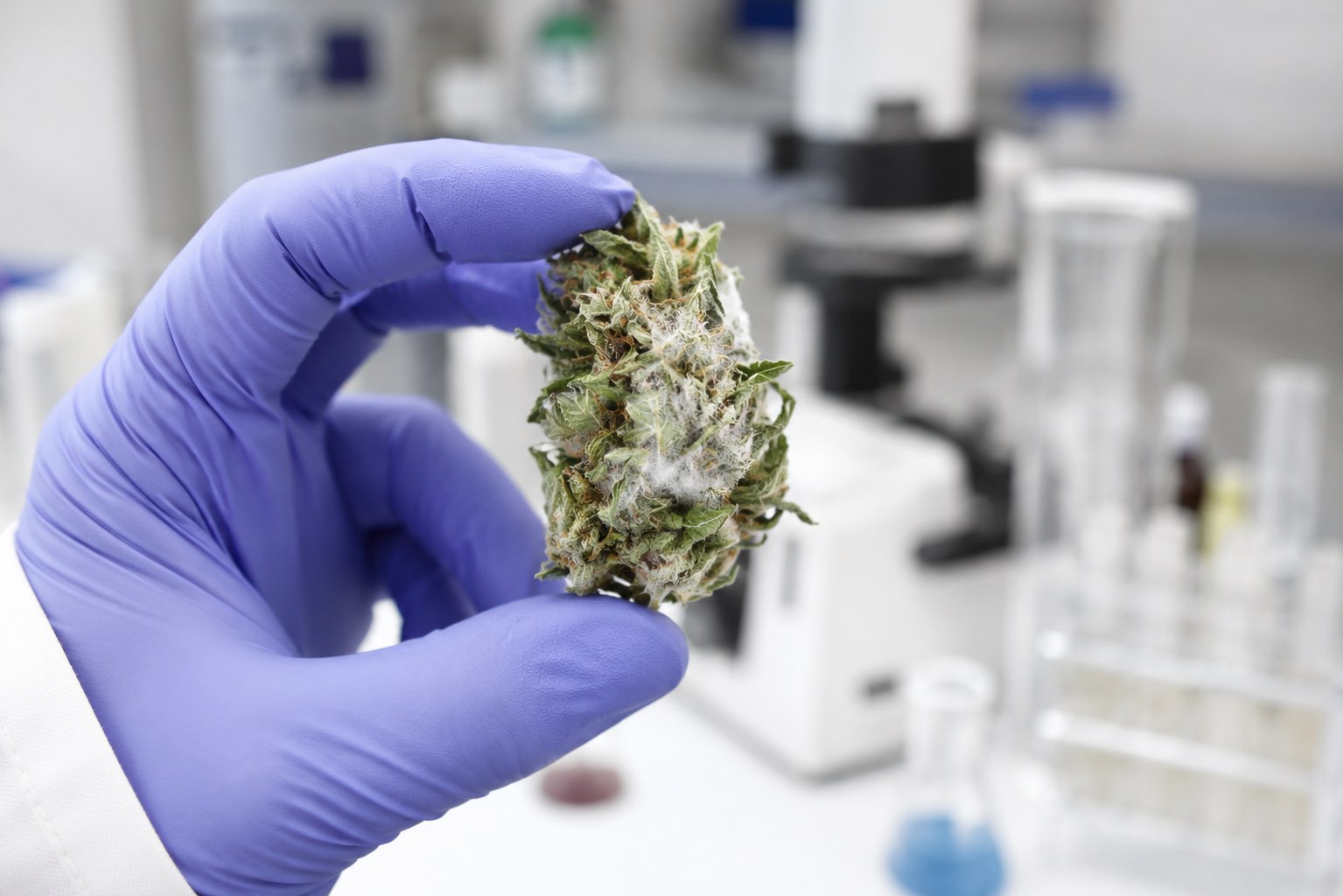
Cannabis and hemp can develop microbial contamination during cultivation, drying, processing, storage, and packaging.
Pathogens such as Aspergillus, Salmonella, and Shiga toxin-producing E. coli can pose serious health risks, especially for immunocompromised consumers.
Microbes are the primary driver of product recalls; the vast majority from failed flower and shake/trim samples.
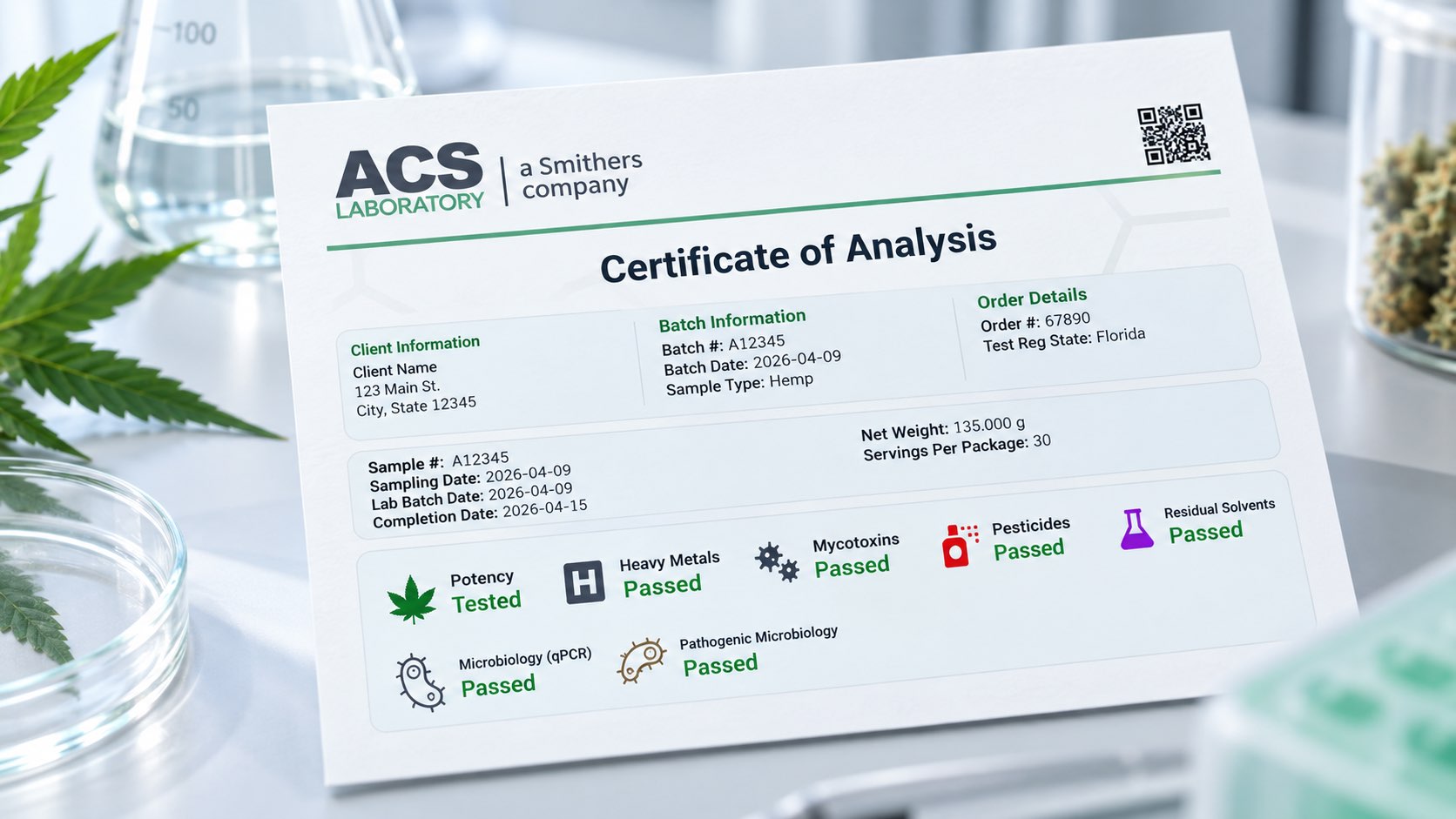
ACS Laboratory offers compliance-ready microbiology testing using validated technologies including qPCR, microarrays, and Petrifilm methods.
At-a-Glance Summary
Microbiology testing identifies harmful bacteria and fungi in cannabis and hemp products before they reach consumers. It protects patient safety, preserves brand reputation, and ensures regulatory compliance.
ACS Laboratory provides precise, compliance-ready microbiology panels that help brands release products with confidence.
What Does Microbial Growth Include in Cannabis?
Microbial growth refers to the growth of bacteria, yeasts, and molds on cannabis plants or finished products during cultivation, processing, or storage.
Cannabis and hemp grow in environments that naturally support microbial life. Factors that lead to growth include:
warm temperatures
moisture and humidity
poor airflow
soil exposure
plant debris
inadequate drying
post-harvest handling
One study of more than 2,000 cannabis samples found that proper drying and lower water activity significantly reduced microbial levels. (source)
Why is Microbial Growth a Risk?
Microbial contamination can expose consumers to infection, respiratory irritation, allergic reactions, or toxic compounds.
Inhaled mold spores create a particular concern because they can reach the lungs. Immunocompromised consumers face the greatest risk of opportunistic fungal infections. Research has identified cannabis-associated fungi that can infect vulnerable patients, including Aspergillus, Cryptococcus, and Mucor species. (source; source)
Microbial growth can also:
reduce product quality and shelf life
change aroma, flavor, or appearance
produce toxins that may remain after the organism dies
cause products to fail regulatory safety limits
Microbial testing helps growers and manufacturers detect these risks before products reach consumers and face recalls from state regulators.
What Microbial Contaminants Does ACS Laboratory Test For?
ACS Laboratory offers multiple microbiology panels tailored to product type and regulatory requirements. Each panel screens for specific organisms that present the highest risk in hemp and cannabis products.
Pathogenic Organisms
Pathogen panels focus on organisms known to cause illness. These include:
Aspergillus species such as Aspergillus flavus, Aspergillus fumigatus, Aspergillus niger, and Aspergillus terreus
Salmonella species
Shiga toxin-producing Escherichia coli (STEC)
Listeria monocytogenes (in hemp compliance panels)
ACS Laboratory provides mMTC compliance panels and hemp compliance panels to address different regulatory frameworks and product formats.
Broad Microbial Screening
Broad panels measure overall microbial load and sanitation quality to determine contamination risk (rather than a single pathogen). These panels may include:
Total yeast and mold
Total aerobic microbial count
Total coliform
Total Enterobacteriaceae
Bile tolerant gram-negative bacteria
Staphylococcus aureus
Manufacturers can use microbial data to refine sanitation protocols, adjust environmental controls, and verify that corrective actions reduce contamination risk over time.
Advanced Testing Technology for Accurate Results
ACS Laboratory uses validated microbiology testing methodologies to ensure accuracy and speed. The team relies on:
Ultra High-Performance Liquid Chromatography tandem Mass Spectrometry (UHPLC-MS/MS) where applicable
qPCR technology detects microbial DNA with high sensitivity and specificity. This method differentiates harmful pathogens from benign background organisms and delivers rapid, actionable results. Plating methods provide quantitative data for total counts and environmental monitoring.
Compliance and Risk Management
Microbiology testing supports both internal quality control and regulatory compliance.
Many states define strict action limits for Aspergillus species, Salmonella, STEC, and total yeast and mold in medical marijuana products. (source)
Microbes are the primary driver of product recalls.
Between June 2020 and October 2021, a study tracked 14 reported cannabis contamination outbreaks and recalls across the U.S.. Eight of these 14 incidents were caused exclusively by microbial contamination. (source)
ACS Laboratory aligns microbiology panels with state and federal requirements so brands can protect their customers and their investments.
The Bottom Line
Microbiology testing is often not optional in a regulated market. It is a core safeguard that protects consumers and strengthens brand credibility. Brands that invest in consistent microbial screening demonstrate integrity, transparency, and long-term commitment to safety.
Contact ACS Laboratory to explore microbiology panels and start testing with confidence.
FAQs
What is cannabis microbiology testing?
Cannabis microbiology testing detects harmful bacteria, yeasts, and molds that may contaminate cannabis products. Laboratories test for specific pathogens and measure overall microbial contamination to verify product safety and regulatory compliance.
What microorganisms are tested in cannabis?
Cannabis microbiology testing commonly screens for Aspergillus species, Salmonella, Shiga toxin-producing Escherichia coli (STEC), and other microorganisms that can threaten consumer safety. Many laboratories also measure total yeast and mold, total aerobic microbial count, total coliforms, Enterobacteriaceae, bile-tolerant gram-negative bacteria, and Staphylococcus aureus.
Is microbiology testing required for cannabis and hemp?
Microbiology testing requirements depend on the state and product type. Many state cannabis programs require microbiology testing before products can be sold. Some hemp programs require pathogen screening to demonstrate product safety and compliance.
What is the difference between microbiology testing and mycotoxin testing?
Microbiology testing detects bacteria, yeasts, and molds that are present in a product. Mycotoxin testing detects toxic compounds that certain molds can produce, even after the mold is no longer alive.
Can cannabis pass microbiology testing and still contain mycotoxins?
Cannabis can pass microbiology testing and still contain mycotoxins. Many testing programs include both analyses to provide a more complete safety assessment.
Need a Test or Have a Question
Call Us at 813-670-9197 or Click to send us a message.












.png)
.png)
.png)
.png)
.png)